 Mountain Cur
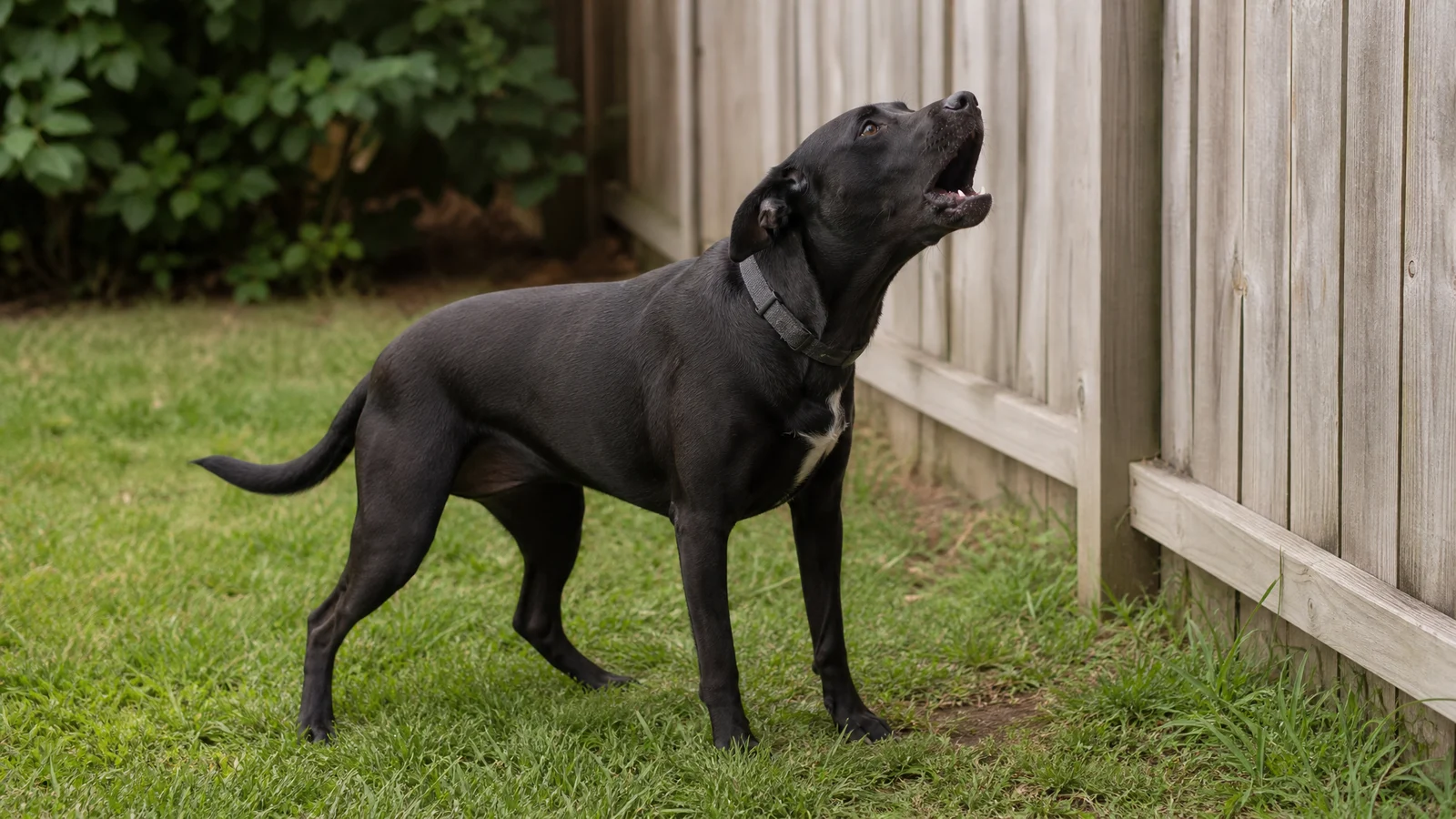
Yes, a Mountain Cur is a loud, vocal dog, but how much yours barks depends on the individual and on their day. The AKC rates barking 5 of 5, "Very Vocal," and the breed standard describes a clear bark that carries a long distance.
That voice comes from the job. Mountain Curs are treeing dogs and watch dogs, bred to announce what they find and who arrives, so the bark is a trait of the work and not a flaw. Handled badly, it means neighbor complaints and a dog who rehearses the same alarm all day. Handled well, you keep a sharp early warning that ends when you say so.
This guide covers Mountain Cur barking and whining, from the treeing and watch-dog roots of the voice to the daily routine that gives you a manageable dog, not a silent one.
Mountain Cur Bark Is Work
The common advice is to train the barking out. We think that misreads this dog. We specialize in this breed's behavior, and the owners who struggle least are the ones who stop treating the voice as a defect and start treating it as a job that needs an off switch.
Treeing Voice and Distance
The Mountain Cur is a powerful, agile tree dog of medium size. The standard lets them run open, semi-open or silent on track, and it gives them a clear bark that can be heard a long distance. Read that closely. The voice is meant to travel, and your neighbors sit inside its range. Yet the same standard allows a silent trailer, so no breed rule tells you what your dog will do.
Owners confirm the spread. Some describe a startling, very loud bark that arrives with no warning. Others describe dogs who rarely or never bark, and a few went years without a sound. Plan for the dog in front of you, not the rating.
Watch Dog Duty
The watch-dog side is less ambiguous. Their original job included guarding the family and livestock against wild animals or intruders, and on their own territory they are described as watchful guard dogs who protect their resources and family. On the same rating scale, they earn the top mark for protective nature: "Vigilant."
So the goal is an alert that ends, not a dog who never alerts. Demanding silence works against what they were kept for, and it rarely lasts. Teaching the end of the alert is not teaching guarding. It is teaching your dog that once you have seen what they saw, the job is done. Our guide to Mountain Cur temperament explains the wariness behind it.
Know the Bark Types
Owners of this breed split into two camps, and both are telling the truth. Some live with a dog who sounds off loudly and often. Others share a house with a dog who rarely or never barks, several of them rescues.
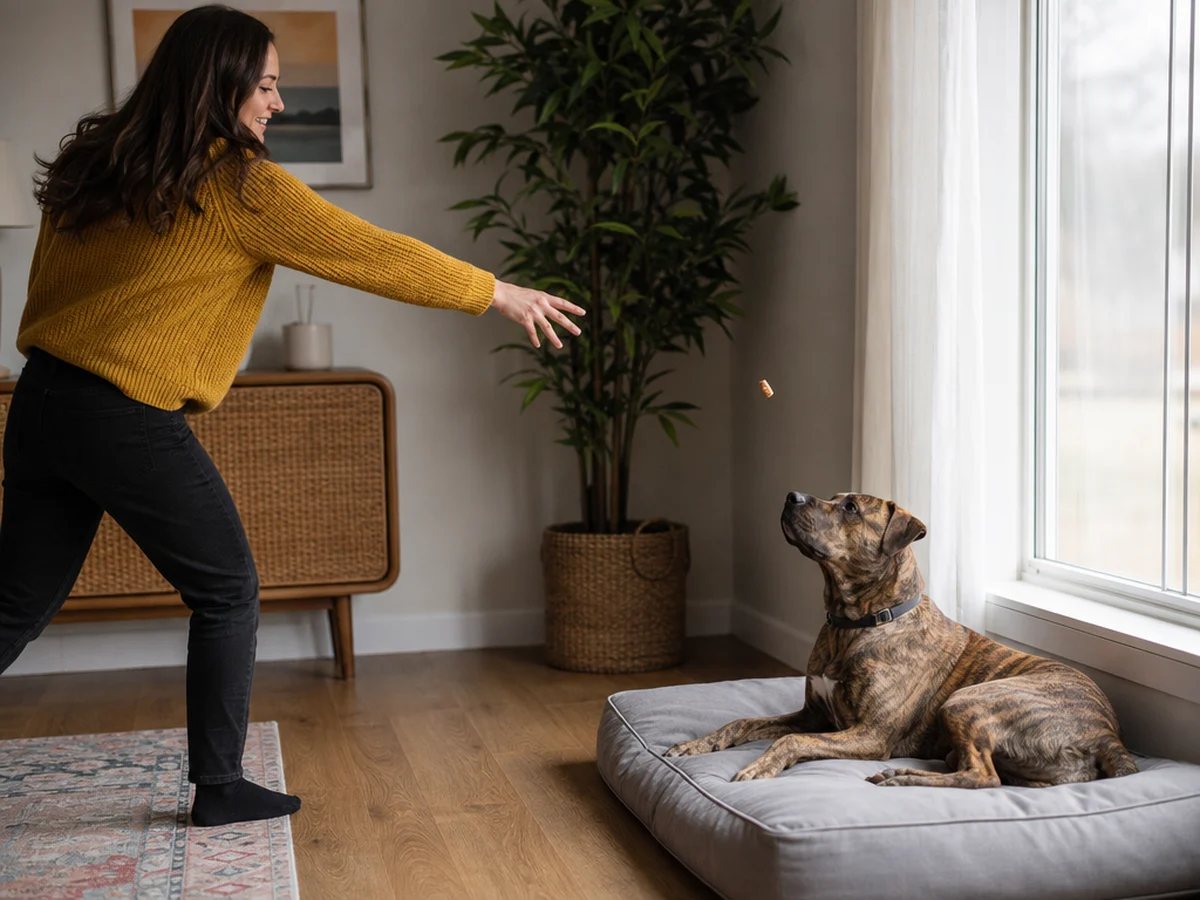
Owners of quiet rescues wonder whether early life on the streets or in fear shaped that, and nobody can say for sure. Either way, learn to read what each bark is for, because the fix differs.
The Alert Bark
This is the watch-dog bark, aimed at a door, window, fence or sound. The dog goes stiff, looks toward the source and fires in bursts, pausing to see whether the bark worked. Some owners describe a voice so big and sudden it startles them too.
The tell is the pause. An alerting dog checks the result, which means you can step into that gap and be part of the answer.
The Tree or Chase Bark
This one is aimed up, at a squirrel, a bird or a cat on a fence, and it comes with a fixed stare and a body that will not leave the spot. It is excitement more than warning, and calm talking rarely touches it. Owners describe squirrels as an overwhelming trigger, where even the word, a picture or a smell is enough to start the show.
The Bored Bark
The bored bark has no target. It is a steady rhythm in an empty room or yard, often with chewing or pacing. Dogs need exercise, things to do and company, and a bored dog may bark more. For a breed that needs a job, a long empty afternoon is the trigger.
The popular claim is that a tired dog is a quiet dog. Verdict: half true. Owners tie good manners at home to a well-exercised dog, with no chewing even in an apartment, but a tired dog still alerts at the door. Exercise removes the bored bark. It does not touch the other two.
Barking Follows Triggers
Every bark has a cause, and guessing it wrong wastes weeks. Before you train anything, keep a log for a few days. Write down the time, the place, what your dog was looking at and what happened next. Most Mountain Curs turn out to have a short list of triggers, and they cluster by place.
Strangers, Dusk and Fences
This is a reserved breed, so strangers at the door and passersby along a fence line draw the alert bark. Fence patrols are the worst offenders. Every lap rehearses the alarm, and a walker who moves on looks like proof it worked. Dusk adds wildlife and passing cars to the mix.
Do not park your dog outside to patrol. The standard expects a dog kept apart in a yard or kennel to train less well, because the breed responds to plenty of human contact. Go out with them, block the worst sight lines with solid panels or window film, and bring them in after dark.
Then learn the tell that comes before the bark and ask for a sit or a down first, paying well. If the bark has already started, call them away and reward the turn.
Being Left Alone
Barking for company while you work is a different bark from the alert, and it has its own article in this series. The short version: some owners of adopted adults report barking that grew week by week, with redirection, ignoring, scheduled play and extra walks changing little, while calm music helped.
Record a short absence. A dog who calms within minutes is bored or short on exercise. A dog who never calms may be distressed and needs a reward-based trainer. For a newly adopted adult, start with our first weeks with a rescue.
Prey Sightings
A small animal in view overrides recall for many Mountain Curs. Owners report dogs who climb fences, strain at the window or ignore every call when a squirrel appears. Manage first: close the door to the window room, film the lower panes and use a long line near trees. Then build recall and leave-it work far from the distraction before you test it near one.
A Whining Mountain Cur Is Asking
For many Mountain Curs the main voice is not a bark. Owners describe whining, talking and snorting for food, to go out, in the car, at strangers, when left alone or when exercise falls short. A whine is a request, which is good news, because requests have answers. The table pairs the common whines with their usual meaning and a first move.
| The whine | Usually asking for | First move |
|---|---|---|
| At the door or by the leash | A trip outside | Answer promptly, then teach a quiet ask such as a sit at the door |
| Near the food bowl | A meal | Keep a steady schedule and reward calm before the bowl lands |
| In the car | The outing ahead | Start parked, reward quiet, then add short drives |
| At strangers | Distance, since the breed is reserved | Add space and reward calm looks, with no forced greetings |
| At you in the evening | More exercise | Walk and play first, then reward the quiet that follows |
That last row is the most common. Owners describe whining at the owner, boredom and stress yawns, and couch zoomies after even one skipped walk. Owners who give a figure put the working floor for pet homes at about one and a half to two hours of walks and play a day, and hunting homes report far more. Fix the walk before you try to fix the whine.
Then reward the quiet ask. Some dogs invent their own, tapping the owner with a paw instead of making noise, and that is worth keeping.
The usual advice is to ignore whining. That works only after the need is met. Otherwise an intelligent, strong-willed dog simply escalates. Wait for a breath of quiet, mark it and reward it. Paying for a whine after a long wait only teaches persistence.
Reward Quiet After the Bark
The principle is simple and often botched: pay for the quiet you want, not for silence. Popular advice says to wait out the barking and give no response. For alert barking that fails, because the visitor walking away pays the dog every time. What works is to acknowledge the alert, mark the moment the barking stops and reward that quiet. Build this routine instead:
- Let the first few barks happen, walk over, look at what your dog saw and say a calm thanks, so the alert is acknowledged.
- Mark the first pause or head turn with your marker word and deliver a treat right where they stand.
- Call them away from the door, window or fence with your recall word or a watch-me cue, or ask for a sit, and reward that.
- Stretch the pause a second at a time, and only once it is reliable, attach a calm cue word of your choice.
- Practice with a recorded doorbell and a helper before real visitors, rewarding a settle on a mat well back from the door.
The marker has to land in the quiet, before the next bark, or you are paying for the bark. If your dog barks first, you were late. Reward earlier, and practice with quieter versions of the trigger.
It can be done even with the hardest trigger. Some owners get an indoor no-barking-at-squirrels rule to hold, with the dog visibly straining to keep it. Reward that effort generously. It shows the goal is the quiet second, not the quiet hour. Our leash work with a scent-driven dog uses the same mark-and-pay timing outdoors.
Building a Quieter Mountain Cur Bark
A realistic goal is a manageable Mountain Cur, not a silent one, and it comes from routine more than from any single exercise. Three habits carry most of the weight:
- Cover the exercise your dog needs every day, since a worn-out dog gives the bored bark and the evening whine far less often.
- Choose interactive outlets such as wrestling, agility or a second dog, which owners find beat toys alone, and add scent games because searching is built into the breed.
- Count each calm settle as work worth paying for.
Expect two modes. Several owners describe a dog who is never still around other dogs or outdoors and laid-back at home, so do not judge yours by the park. Owners who mention a timeline usually see the dog settle around age two, though some stay lively well beyond it. Patience is part of the plan.
Keep up regular vet visits, and treat sudden new barking as a medical question first. Pain can drive a voice, so a vet exam is the first step before behavior work, as this barking advice points out. We have trained this breed for many years, and the dogs who quiet down best are the ones whose owners found the cause before they chased the noise.
So do one thing today. Pick the trigger that sets off your dog most often, whether it is the doorbell, the window or the fence. At the next occurrence, let the alert happen, acknowledge it, and reward the first quiet second with a marker and a treat before the bark returns. Repeat it tomorrow.
 BehaviorMountain Cur Behavior Problems and Where to Start
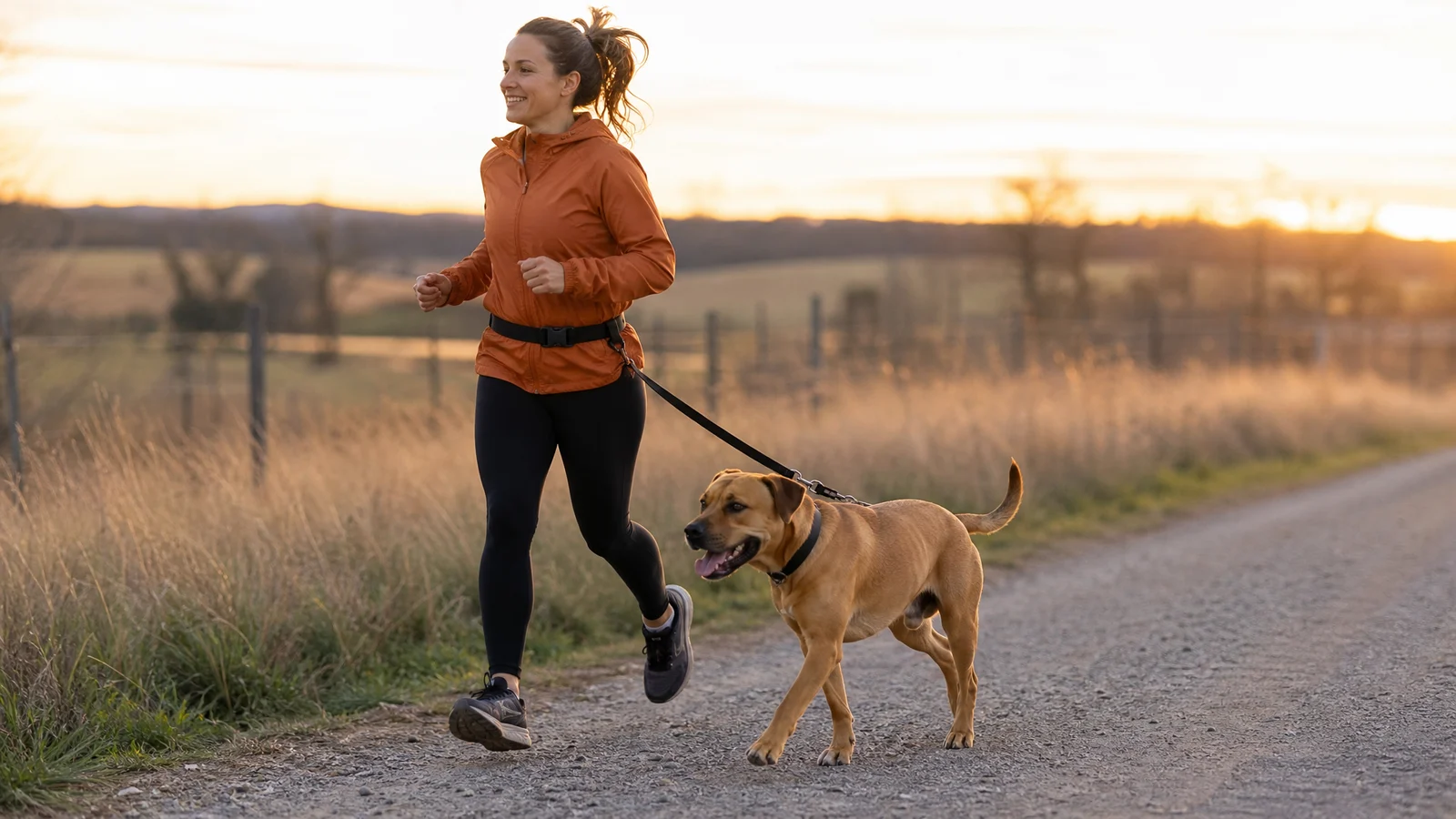 Exercise and jobsMountain Cur Energy Level: How Much Exercise Is Enough?
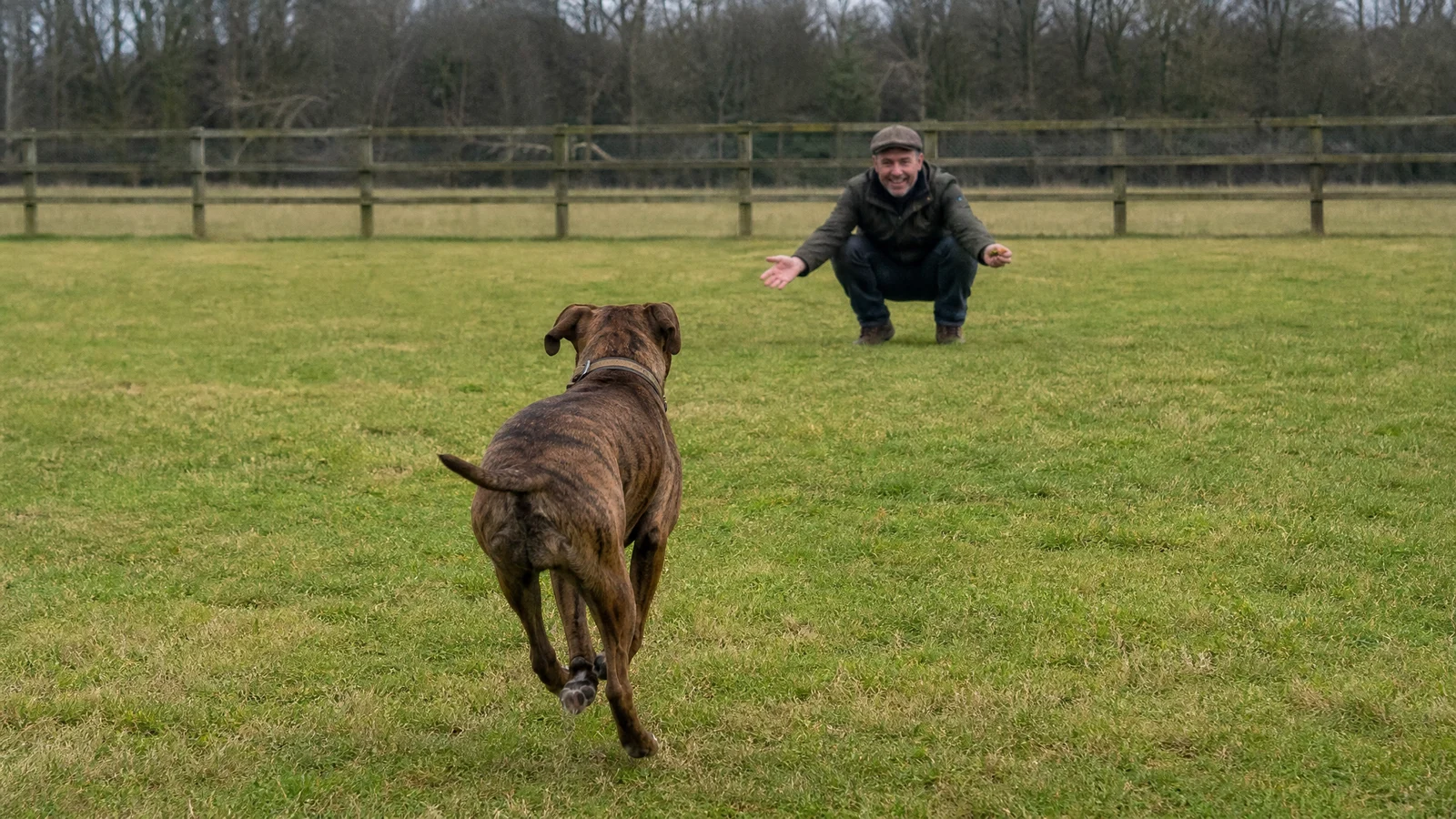 Training basicsMountain Cur Recall and Leave It: Training a Dog Built to Track