 Mountain Cur
11 Mountain Cur training topics
Every common Mountain Cur challenge, with first steps and guides to read.
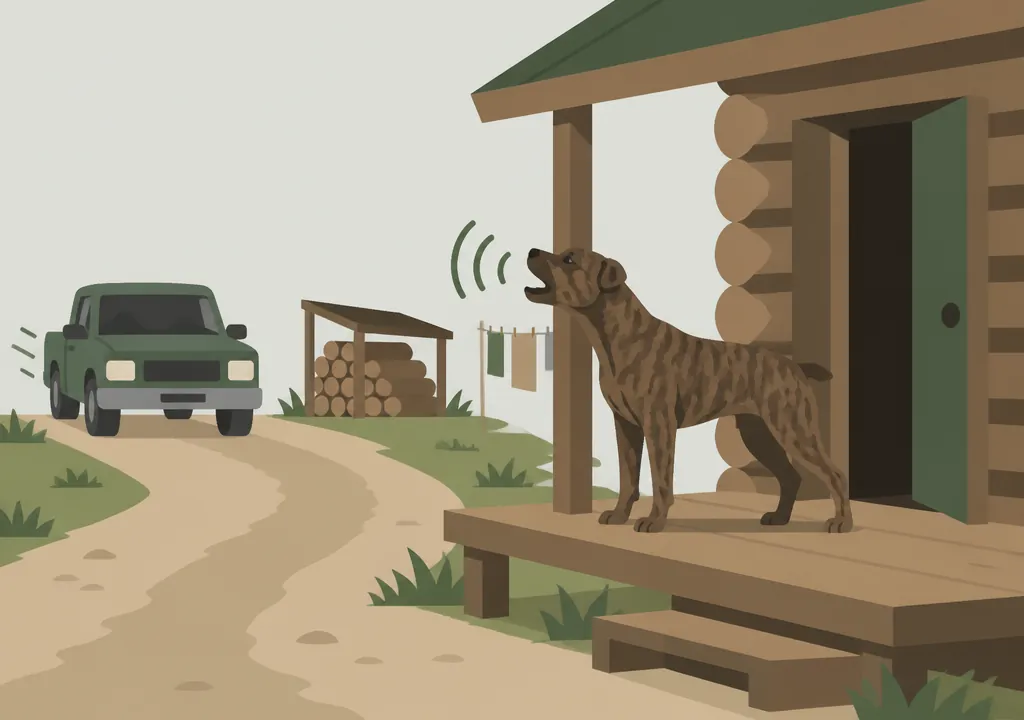
Guarding the homestead
One alert bark, then back to you.
A Mountain Cur at the window hears movement, gives a carrying bark and turns back when a person takes over. The same dog may become still over a found food item and watch every step nearby.
Both scenes can be called guarding, but they do not describe the same emotion or need the same response. This guide uses two lanes and shows when a barrier should replace another attempt.
Read the full guide: Resource Guarding and Protectiveness in Mountain Curs
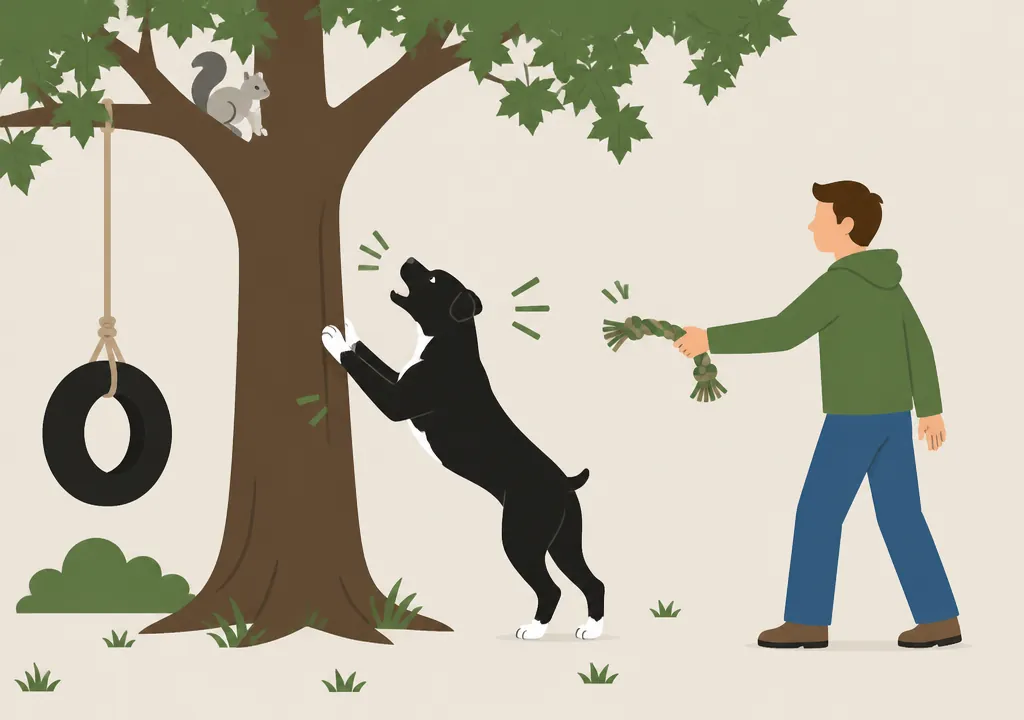
Barking up a tree
Turn treeing into a game you control.
Barking up a tree is the job showing through. Mountain Curs are treeing and watch dogs, and the AKC rates barking 5 of 5. You keep an early warning that ends on cue.
The full guide covers barking and whining, from working roots to a routine for a manageable dog.
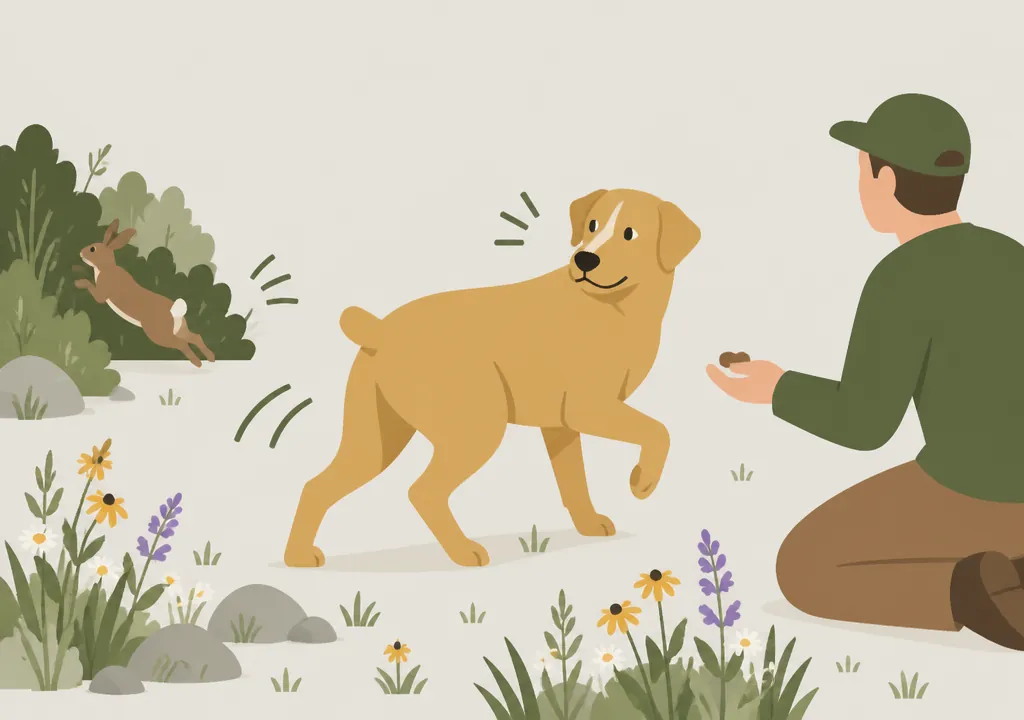
Recall when a rabbit bolts
A recall that holds when a rabbit runs.
Owners call recall the weak spot, even in dogs who know everything else. The UKC standard describes a dog that follows a trail with their head up, with no pause when a squirrel or scent crosses the path.
The full guide covers when to start, the reward and word, a long line and leave it.
Restless without a job
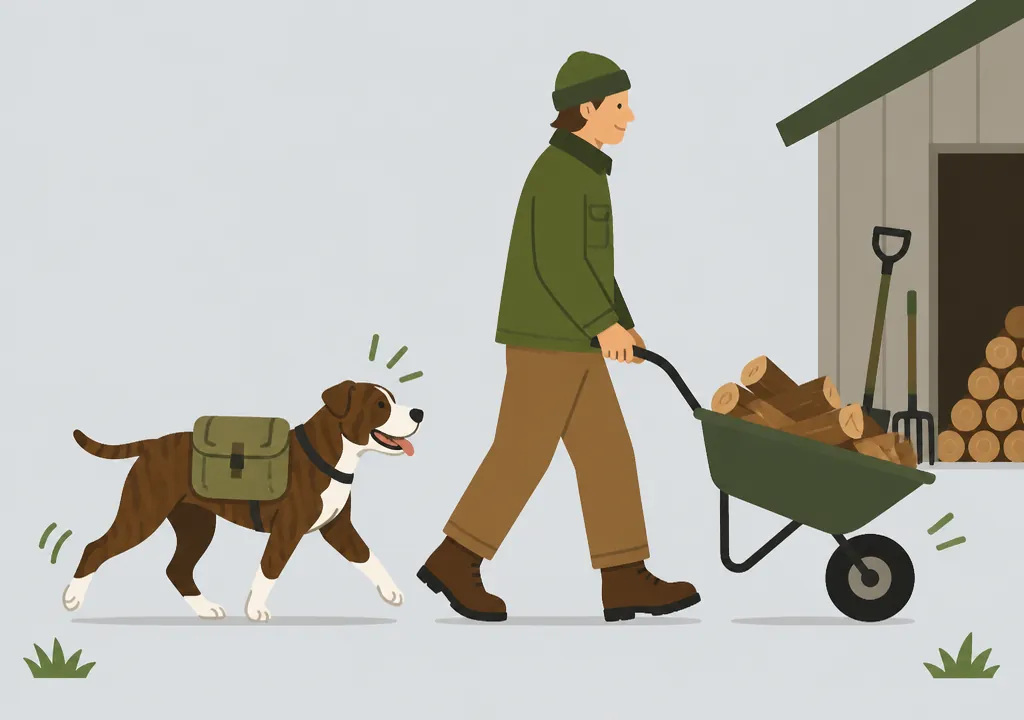
Daily work for a busy mind.
Restless Mountain Curs need work, and the teaching has to match the dog. We reviewed 57 Mountain Cur owners' accounts, and these dogs respond to praise, a calm voice and an offered alternative.
The full guide covers the voice that works, the ignore-and-redirect loop and cues that replace grabbing.
Reserved with new people
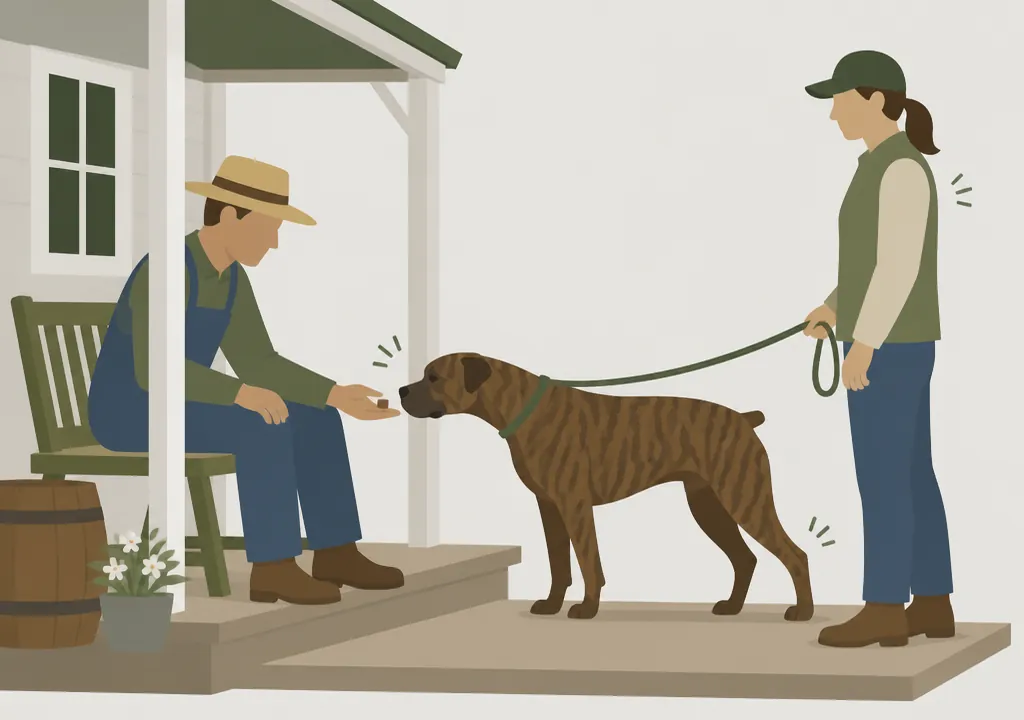
Meet new people at its own pace.
A visitor can spend an entire evening in the same room as a Mountain Cur without touching the dog, and the meeting can still be a success. The dog may watch from a bed, sniff after the person sits and then choose distance again. Calm coexistence is a more useful first goal than instant friendliness.
This guide turns the room into a consent map with a retreat zone, an observation zone and an optional approach zone. The guest receives a simple role, while the dog's body language decides whether the map opens or closes. The same rule works for people met on walks: notice, choose distance and leave without being required to greet.
Read the full guide: Helping a Reserved Mountain Cur Meet Visitors at Their Own Pace
Digging under the fence
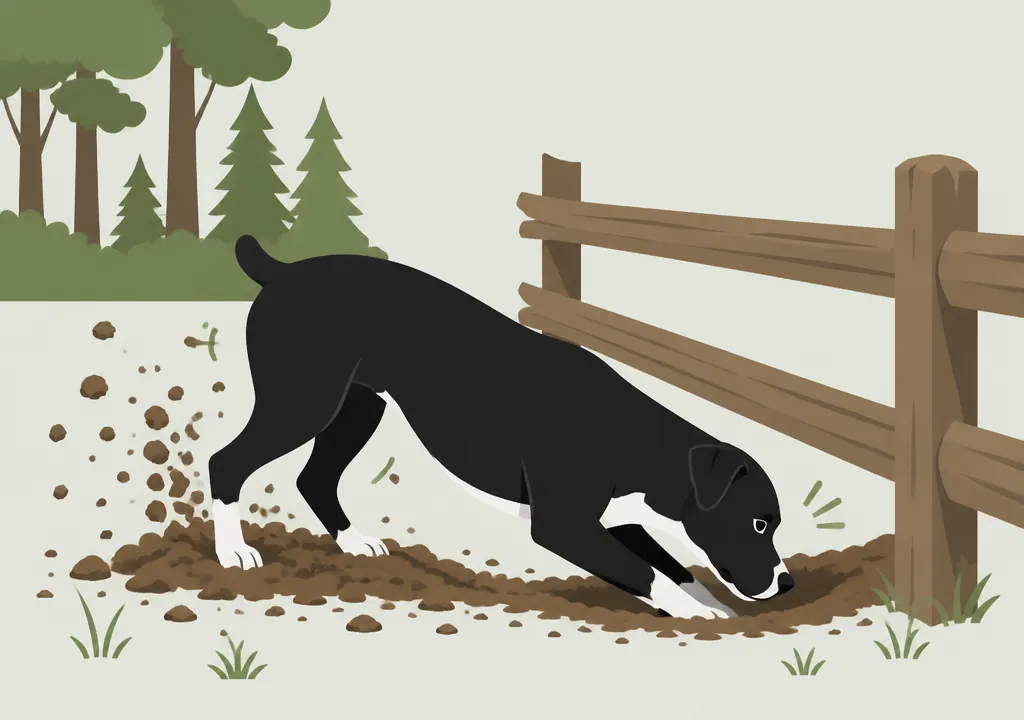
A dig spot and a secure yard.
A fresh hollow at the fence is not yet a character judgment. Its location, the soil thrown behind it and what happened on the other side are evidence.
The first job is to stop access to the breach, because every successful squeeze under the boundary makes that route more valuable. This guide treats the yard as a small investigation.
Read the full guide: Mountain Curs Digging Out: Dig Spots and Fence Fixes
Bossy with strange dogs
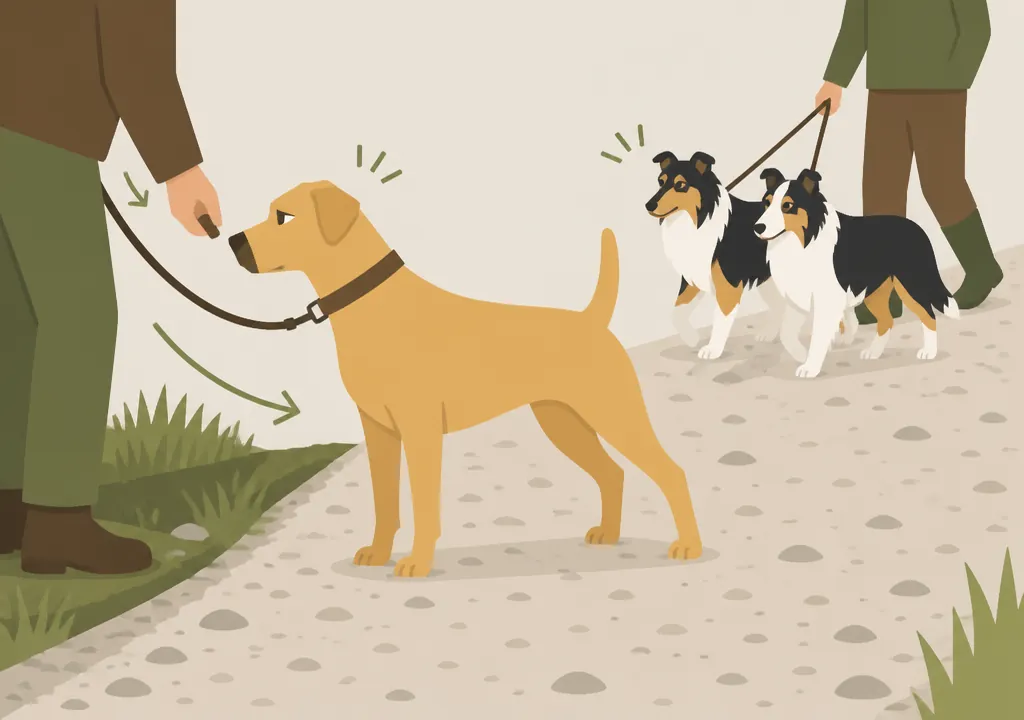
Calm distance and polite hellos.
Two dogs can share a lively chase game and still need help around a chew. Another pair may walk calmly in the same direction but never enjoy wrestling.
Compatibility is not one trait inside a Mountain Cur. It is the changing conversation between two individuals, their environment and the resources around them. This guide starts before contact.
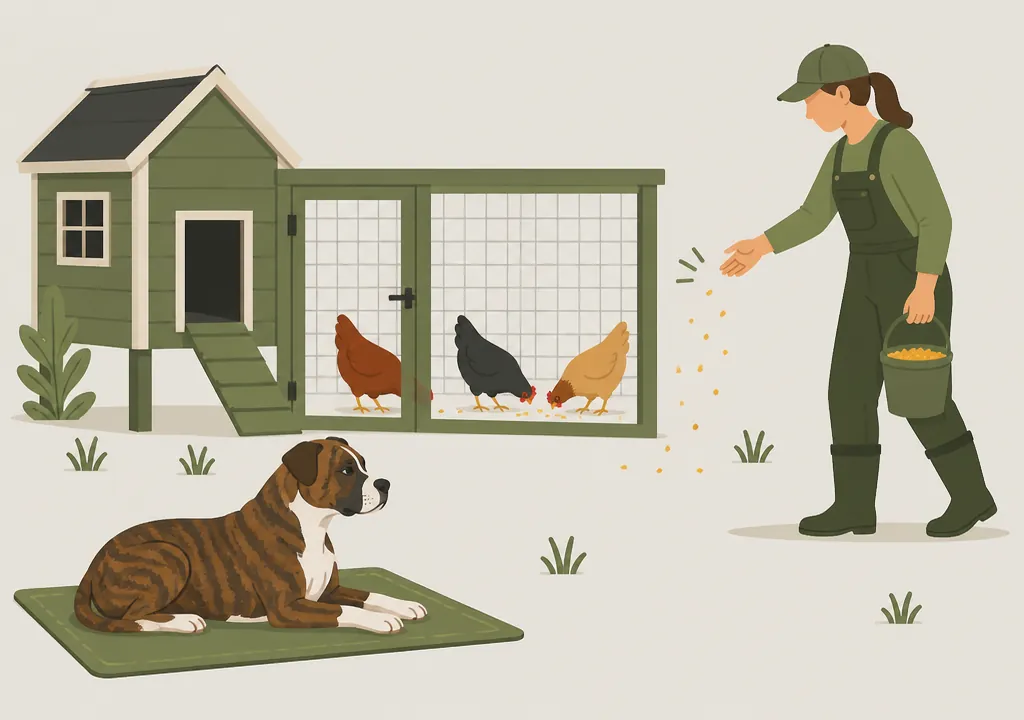
Chickens and small livestock
Calm around the coop.
A farm-bred history does not make an individual Mountain Cur safe beside flapping hens. The same athletic attention that helped a working dog notice animals can become stalking, chasing or grabbing in a modern yard.
The first training decision is physical separation, not a test of what the dog will do. This guide builds a distance ladder around a secure coop and run.
Read the full guide: Teaching Mountain Curs to Stay Calm Around the Chicken Coop
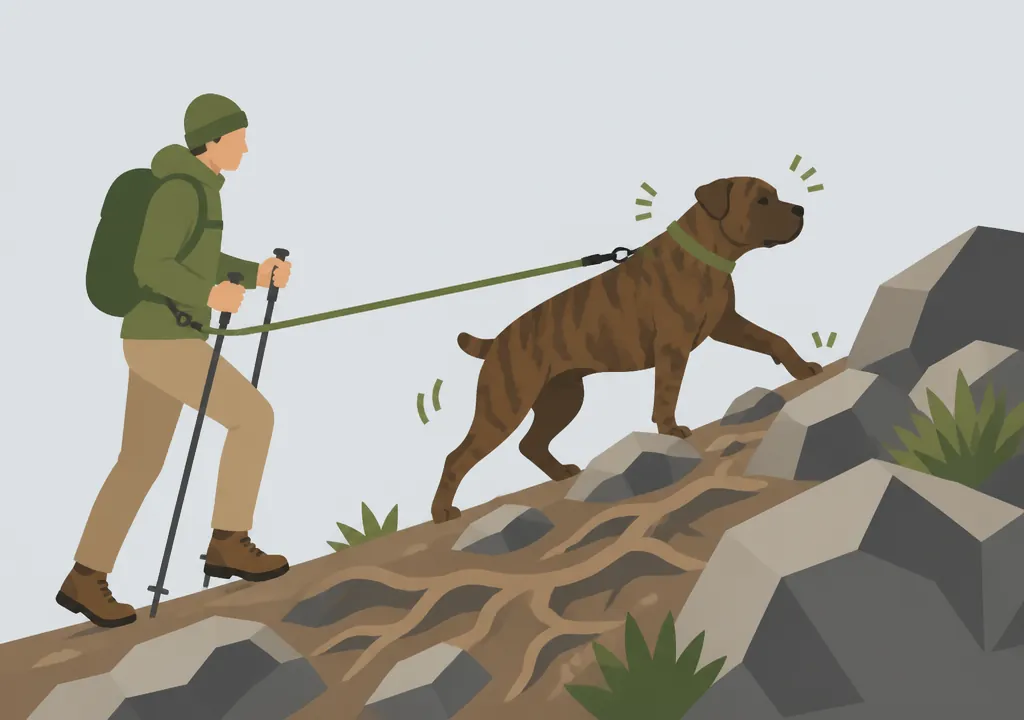
Pulling on the trail
A loose leash on rough ground.
A loose leash begins before the Mountain Cur reaches the sidewalk. If equipment can slip, the gate launches directly toward wildlife or fresh scent starts beside the driveway, formal walking mechanics are already competing with a difficult route. Secure fit and a workable opening path come first. This guide treats each walk as a route laboratory.
We separate ordinary forward pull from scent lock and sudden wildlife pressure, teach slack in a quiet launch zone, then use sniff access as a reward. Route notes focus on recovery, because reconnecting after a trigger matters more than holding one position for an entire walk. Every new route is adjusted from observed evidence.
Read the full guide: Leash Training a Mountain Cur: Walking a Scent-Driven Dog
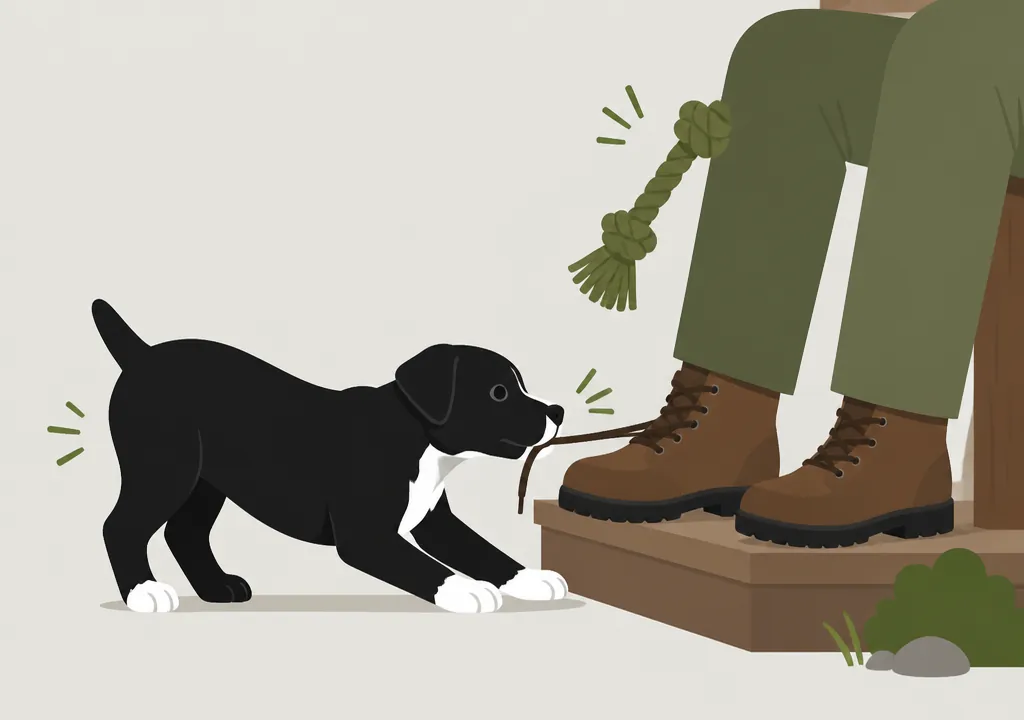
Puppy biting
Soft mouths for a tough puppy.
Puppy teeth get the attention, but socialization shapes a Mountain Cur puppy most, and that is this guide's subject. The breed is normally wary of strangers, so a flood of greetings rattles a reserved puppy.
The full guide paces the first weeks, keeps going before vaccinations finish, and explains adolescent wariness.
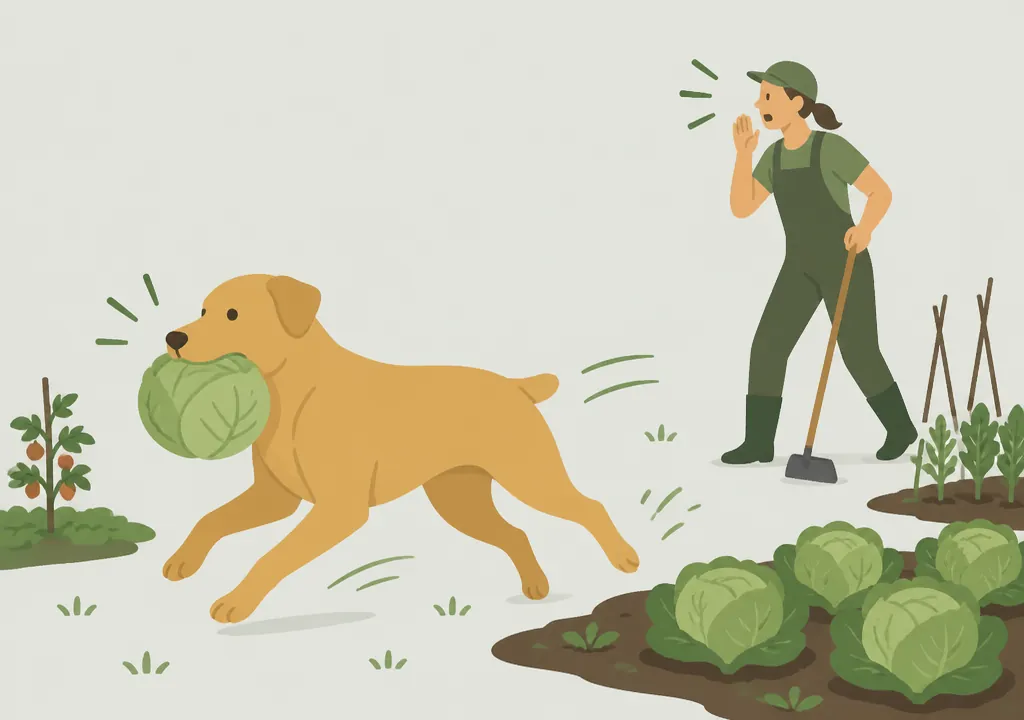
The teenage months
Steady rules while instinct switches on.
Waiting is the costliest habit with a Mountain Cur puppy. Starting once they are older means a wary, guarding adolescent, far harder to change. Socialization, guarding prevention and leave it belong in week one.
The full guide covers settling in, first introductions, preventing guarding and teaching leave it.