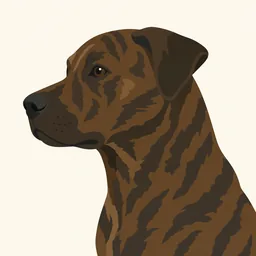
 Mountain Cur
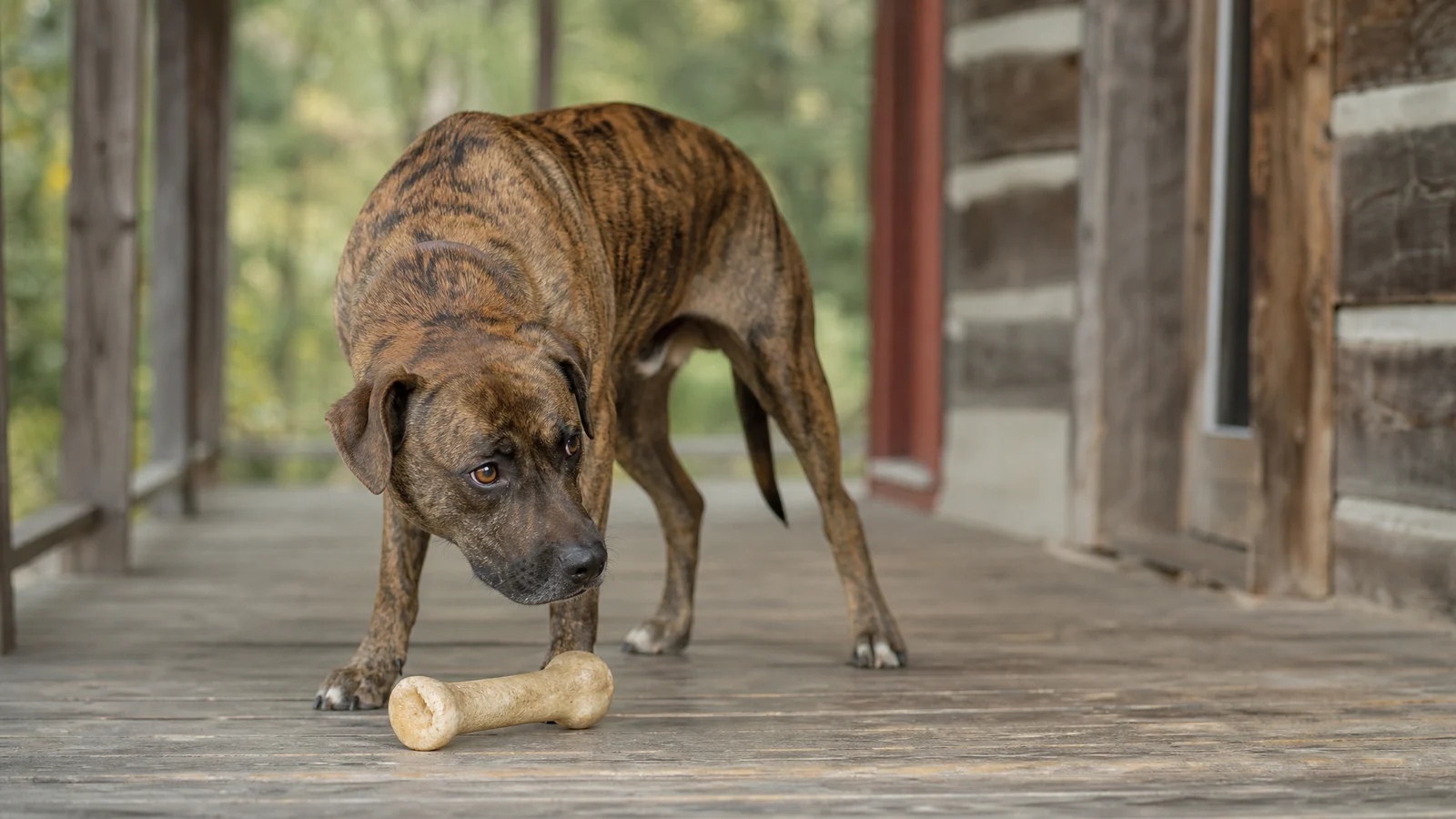
A Mountain Cur at the window hears movement, gives a carrying bark and turns back when a person takes over. The same dog may become still over a found food item and watch every step nearby.
Both scenes can be called guarding, but they do not describe the same emotion or need the same response. This guide uses two lanes and shows when a barrier should replace another attempt.
Territorial alerting gets a clear handoff from notice to recovery, while possession anxiety gets distance, predictable management and voluntary exchanges. Sorting the event first prevents a useful watchful habit from being confused with a safety problem around food, chews or resting space.
Two Mountain Cur Guarding Behaviors Need Two Plans
The AKC Mountain Cur profile describes a watchful dog on home territory that may protect family and resources. That history explains why an arrival, fence-line sound or unfamiliar movement can matter. It does not tell us how common food or toy guarding is in the breed, so the individual dog's behavior must guide the plan.
We separate the lanes by asking what the dog is trying to keep at a comfortable distance. A territorial alert concerns something approaching the home, while resource guarding concerns someone approaching what the dog already values. The same bark can appear in both lanes, so context and body language matter more than volume.
Territorial Alerting
An alert begins with something outside the dog's possession: a person at the door, movement beyond the fence or a sound near the property. A workable dog can notice, bark and then move away with a familiar person. The training job is to make that return and recovery reliable.
Possession Anxiety
Resource guarding centers on something the dog already has or controls. Food, a chew, a found object, a crate opening or a resting place can become the focus. The training job is not to make a person win access. It is to reduce worry, prevent unsafe approaches and make giving space or exchanging worthwhile.
| What starts the event | Useful first response | What success looks like |
|---|---|---|
| Arrival, sound or movement | Acknowledge, move away and reward recovery | The dog hands the event back to the household |
| Food, chew or found item | Create distance and protect possession from approach | The body stays loose and an exchange remains voluntary |
| Unclear or mixed context | Add a barrier and stop the interaction | Everyone is safe while the pattern is assessed |
A door alert can occur while the dog holds a chew, which creates a mixed event. Do not test which motive is stronger. Move people and other animals away, close a barrier if possible and wait until the dog has left the item before changing the setup.
Mountain Cur Guarding Behavior Before Escalation
The earliest information is often quiet. The ASPCA's food-guarding guide lists stiffness, faster eating, freezing, staring and growling among signs that can appear around a bowl. A dog may also lower the head over an object, angle the body between it and a person or carry it into a confined area.
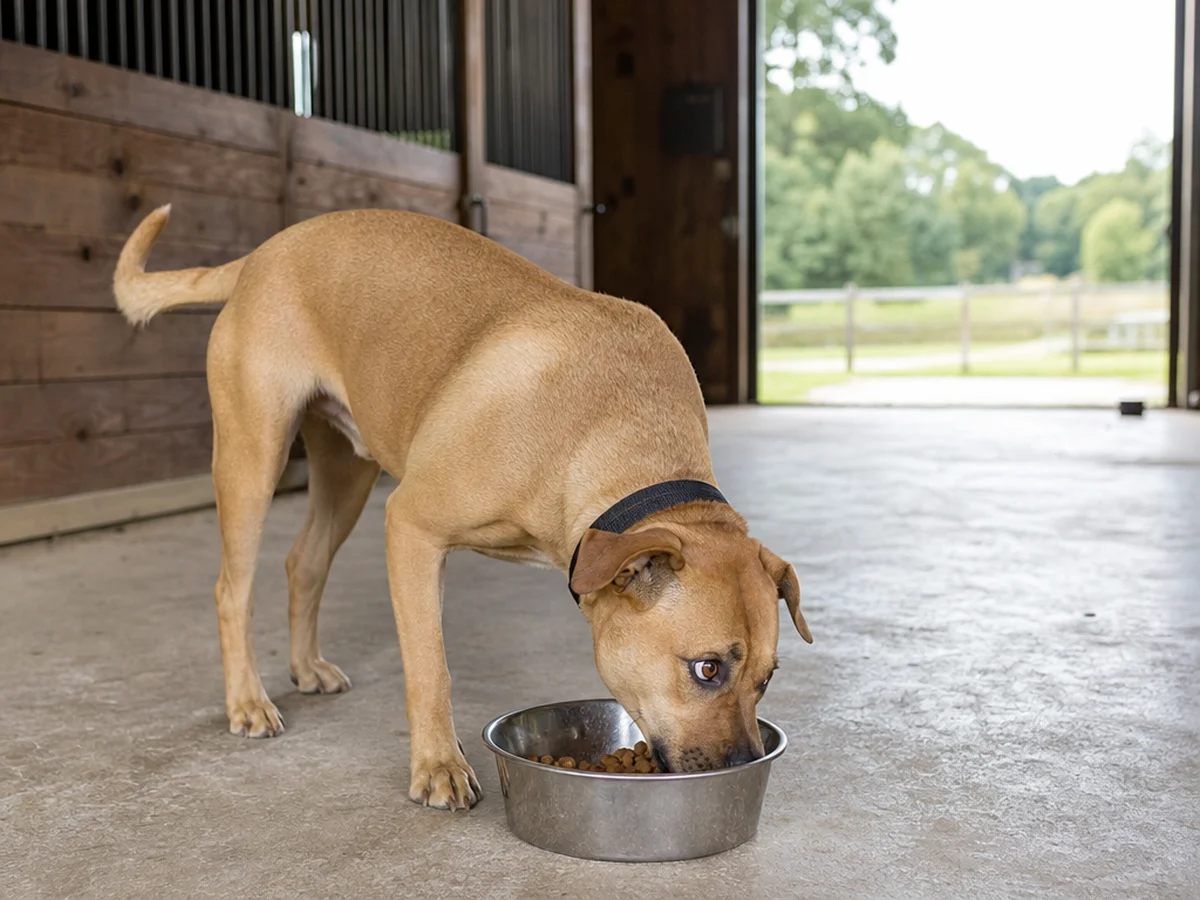
Record what happened immediately before the body changed. Note the resource, who approached, how close they came and whether the dog could look away or move. These narrow observations reveal the active lane and distance more clearly than calling the whole dog protective.
Respect low-level communication. A look away, still body or choice to move off is information that the setup has become difficult. Increase space at that point, rather than waiting for a louder response that the dog must use to end the approach.
Read the Shift Before the Response
Watch recovery as carefully as the first sign. A brief alert followed by ordinary sniffing is different from prolonged scanning. A dog who leaves a chew and reengages comfortably is giving different information from one who relocates the item and continues watching the room.
Keep the notes factual and short. Write what the dog saw or held, the earliest visible change and how recovery happened. After several events, the record may reveal one difficult doorway, a particular chew or crowded movement around a resting place that can be changed before another rehearsal.
Homestead Alert Behavior Needs a Clear Handoff
A Mountain Cur does not need to patrol the door after the household has received the message. Teach the handoff in a quiet rehearsal before using it for real arrivals. Choose a resting station away from the direct path between the entrance, window and visitor.
First reward the dog for going to the station when nothing is happening. Then add a mild sound at a level that produces notice without a rush. Wait for a pause or head turn, mark it and deliver the reward at the station so movement away becomes part of the response.
- Acknowledge the first alert in a calm, familiar voice.
- Move toward the resting route and invite the dog to follow.
- Mark the dog's turn, approach or first quiet pause.
- Deliver the reward at the station and release after recovery.
Management keeps the lesson workable. Reduce the view during predictable traffic, supervise yard time and create a curved route from the window or fence to the resting area. The existing Mountain Cur training guide gives the broader relationship and daily structure behind that handoff.
Doors and fences need different rehearsals. At a door, begin with small handle movements and quiet entries by a familiar helper. At a fence, work well inside the yard and reward the turn toward the house before the dog begins a patrol. The response is shared, but the route away from each boundary is practiced separately.
If the dog cannot turn or take food, the rehearsal is too intense. Close the view, increase distance or end that attempt. The goal is not to produce a full alarm for practice. It is to rehearse the point where the dog notices and can still hand the event back.
Resource-Guarding Behavior Needs Space
Prevention starts with routes and barriers, not repeated approaches. Feed where people do not need to pass, give long-lasting chews in a quiet separated space and pick up leftovers only after the dog has left. In a multi-dog home, meals and prized items belong behind different closed doors or secure gates.
The Best Friends resource-guarding guidance warns that putting a hand in a dish or frequently taking food away can create concern. Instead, let ordinary possession remain predictable. When a person passes at a comfortable distance, a tossed treat can make the approach add value without reaching toward the resource.
Found items need their own plan. Clear floors, use doors to limit access and keep tempting household objects out of reach. If the dog already has something safe enough to leave temporarily, create distance and prepare an exchange. If the object is dangerous, keep people away while contacting a veterinarian or qualified professional for immediate guidance.
Do not assume that watchfulness at the window predicts guarding at the bowl. Track each context separately. That distinction protects the dog from unnecessary testing and helps the household spend training time on the actual pattern.
Resting places deserve the same care as food. Put beds and crates away from narrow passages, then give the dog an unobstructed route out. A dog who can leave without squeezing past a person has less reason to defend the spot, and the household can move without repeatedly entering a contested space.
Teach a Mountain Cur to Exchange by Choice
Begin with an object the dog enjoys but does not guard. Present a better reward at enough distance that the body remains loose, mark the choice to leave the object and place the reward away from it. Returning the safe object after the dog finishes can show that an exchange does not always mean permanent loss.
Build value gradually across several sessions. A toy may come before a chew, and a familiar chew may come before a found object. If the head lowers, the dog moves away with the item or the body becomes still, step back to an easier object and greater distance.
Humane World's resource-guarding overview explains that anxiety commonly sits behind the behavior. Choice matters because pressure can raise that anxiety. The useful result is a dog who moves away willingly, eats the reward and remains relaxed while the item is handled only after there is safe space.
When an item must be recovered, distance still comes first. Battersea's exchange advice recommends placing food well away so the dog moves off before a person retrieves the object. Rehearse with low-value items before an urgent moment makes the skill necessary.
Household Rules for Guarding Behavior
One consistent plan is safer than different people improvising. Children stay completely outside eating, chewing and possession spaces. Guests do not offer or remove valued objects, and adults do not ask a child to practice an exchange.
- Use closed doors or secure gates for meals and chews.
- Keep children and other animals out until the dog has left and items are cleared.
- Store high-value objects between supervised sessions.
- Provide separate resting places that are not household walkways.
- Pause shared access when either dog's body becomes still or watchful.
A fight over found food in one home cannot establish a breed-wide rule, but it illustrates why crumbs, dropped food and abandoned chews matter. Sweep shared areas and inspect crates before dogs reunite. The site's sensitive Mountain Cur guide supports the same calm, offered-alternative approach.
Regular veterinary care belongs in the plan because discomfort can change tolerance. A sudden guarding pattern in an adult dog needs a veterinary exam, especially when eating, chewing, movement or touch has changed at the same time.
When Mountain Cur Guarding Behavior Needs Help
Management is the immediate safety tool when a bite has occurred, warnings are becoming faster or guarding is spreading to rooms, furniture or people. Separate the dog from the problem context with secure barriers and arrange help from a credentialed professional who uses rewards. Family members and other dogs should never become test cases.
Some territorial alerts remain ordinary and manageable, while some possession patterns require a long-term safety setup. Success may mean one alert followed by a station, separate feeding spaces and voluntary exchanges in easy contexts. It does not require proving that the dog will tolerate every approach.
At the next event, classify before acting. If the dog is reporting something beyond the boundary, use the alert handoff. If the dog is worried about losing something already held, create space and protect the resource from approach. When the lane is unclear, choose the barrier and gather better information.
 BehaviorHelping a Reserved Mountain Cur Meet Visitors at Their Own Pace
 BehaviorMountain Curs Digging Out: Dig Spots and Fence Fixes
 BehaviorMountain Curs and Other Dogs