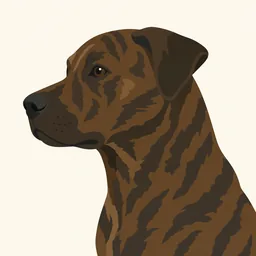
 Mountain Cur
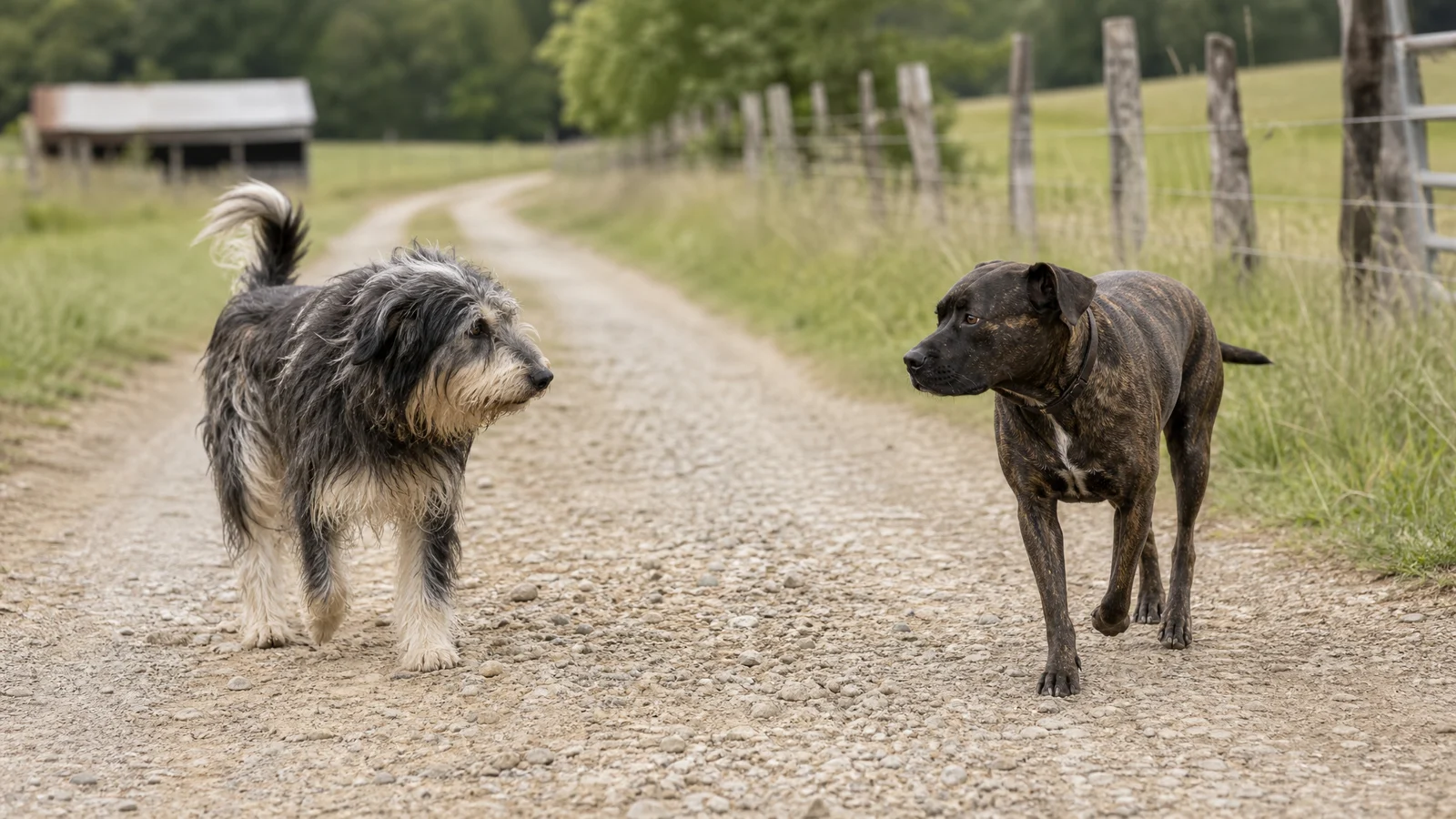
Two dogs can share a lively chase game and still need help around a chew. Another pair may walk calmly in the same direction but never enjoy wrestling.
Compatibility is not one trait inside a Mountain Cur. It is the changing conversation between two individuals, their environment and the resources around them. This guide starts before contact.
We screen the partner and setting, use green, amber and red signals to decide what happens next, then test a brief greeting with a call-away. Walking together, playing together and living together are separate outcomes, and choosing no greeting can be the most skillful decision. The other dog's answer carries equal weight throughout.
Mountain Cur Behavior Around Other Dogs Begins With Fit
The AKC breed profile places Mountain Curs at the supervised point on its other-dog scale. That broad description cannot predict one meeting. Age, social history, pain, arousal and the other dog's communication all affect what the pair can manage today.
Choose a calm dog whose handler can create distance without taking offense. Avoid a partner who repeatedly rushes faces, climbs over dogs or ignores attempts to leave. The Showsight Mountain Cur account notes that the breed may not tolerate overly friendly or pushy dogs, which makes partner selection part of training.
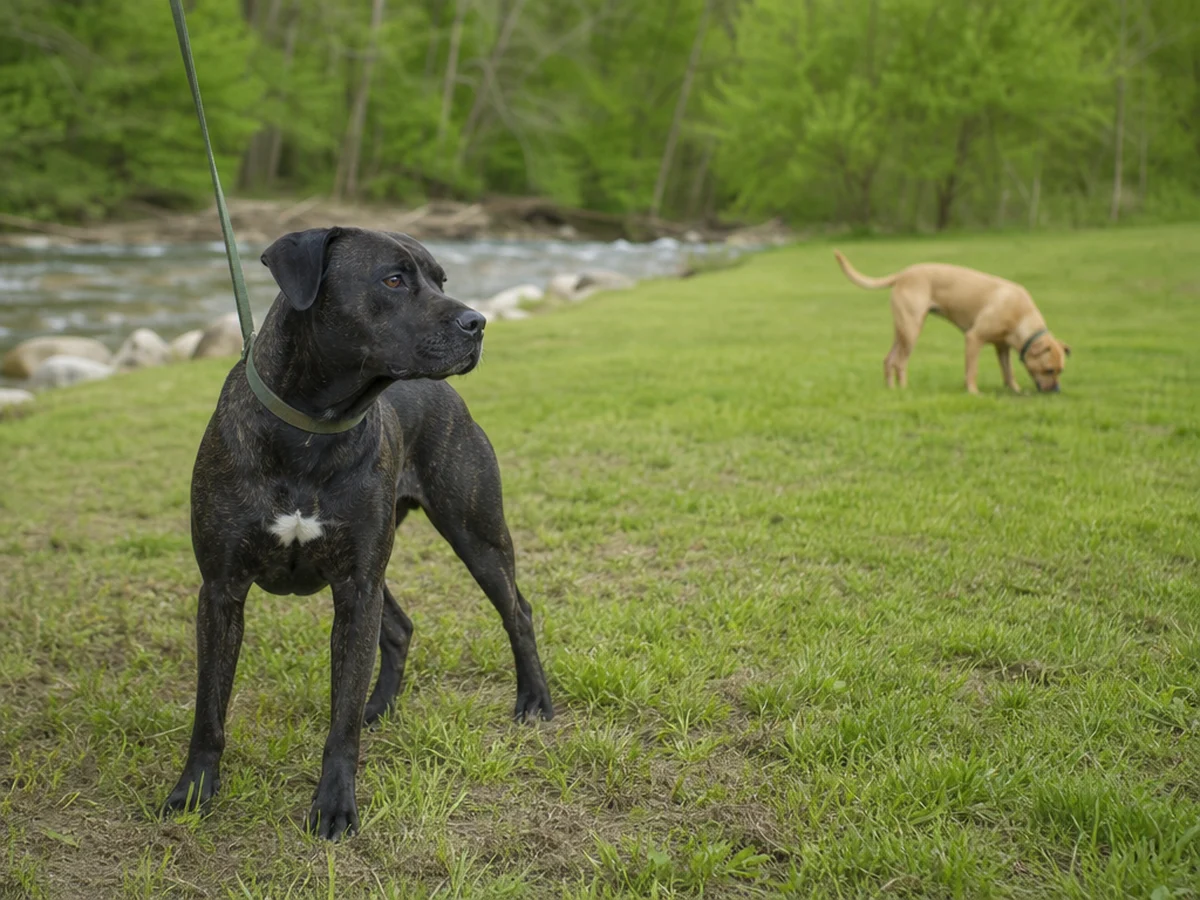
Use a neutral, open area with room for curved paths. Remove toys, food bowls and narrow entryways from the first picture. Each dog needs one attentive adult and ordinary walking equipment. Retractable leashes, crowded gates and face-to-face restraint make it harder for either dog to move naturally.
Do not begin with the dogs loose in a yard because a fence exists. The resident dog may treat the space differently, and the new dog may find no clear exit. The PDSA introduction guide recommends neutral on-leash meetings before bringing dogs home.
Regular veterinary care matters because pain, hearing changes and illness can reduce social tolerance. Postpone introductions when either dog is injured, unwell or recovering. If a previously social Mountain Cur suddenly warns dogs away, arrange a veterinary exam before assuming the change is a training failure.
Mountain Cur Behavior Uses a Traffic Light
Read both dogs, not only the Mountain Cur. A loose approach from one dog does not make the meeting safe when the other becomes still. The traffic light is a decision tool: green allows another small step, amber holds or increases distance, and red ends contact.
| Signal | What the pair may show | Handler decision |
|---|---|---|
| Green | Loose curves, easy sniffing, soft faces and voluntary check-ins | Continue briefly, then offer a break |
| Amber | Slower movement, repeated avoidance, mounting arousal or one-sided pursuit | Add distance and reassess |
| Red | Freezing, fixed staring, hard forward weight, pinning or a fight | Separate safely and end the meeting |
Green Means Both Dogs Keep Choices
Look for curved bodies, relaxed mouths, pauses and movement that changes direction easily. In play, roles may switch and both dogs should be able to stop. A dog who approaches, sniffs and returns to the handler is giving stronger green information than one who remains locked on the partner.
Amber Means Hold the Meeting
Repeated lip licking, tucked movement, hiding behind a person, relentless following or rising vocal intensity asks for more space. One dog may still look playful while the other is overwhelmed. Call both away, walk apart and see whether ordinary sniffing and handler attention return before considering another pass.
Red Means Contact Ends
A hard stare, closed mouth with forward weight, sustained freezing, snapping, pinning or an inability to disengage closes the meeting. Do not punish warning signals. Use distance, barriers and trained call-aways. If a fight occurs, avoid reaching between dogs and seek qualified help before arranging another interaction.
Color can change within seconds when a person stops walking, a gate opens or an object appears. Recheck after every environmental change. The goal is not to keep the interaction green at any cost. It is to notice amber early enough that neither dog must escalate.
Parallel-Walk Behavior Before Mountain Curs Greet
Start far enough apart that each dog can notice the other and still sniff, eat and respond to a familiar person. Walk in the same direction without steering them together. Parallel movement removes the social pressure of a direct approach and gives the handlers time to compare recovery.
If either dog stares, surges or barks, turn away in a gentle curve and reward reconnection at the easier distance. The Best Friends reactivity guide uses a calm helper and rewards the observing dog after movement back to easier space, before the response grows.
- Take separate parallel tracks with ample room for curved turns.
- Mark loose movement, ground sniffing and attention near each handler.
- Change direction together and confirm both dogs can turn away.
- Narrow the distance only while both bodies remain green.
- Walk in a loose arc before considering a brief side-on greeting.
Loose leashes should preserve movement rather than pull the dogs nose to nose. If the handlers must hold them back continuously, the distance is too small. Return to the last point where both dogs could walk, then finish there if arousal does not settle.
A successful parallel walk does not require contact. Some pairs can share routes comfortably while direct greetings remain difficult. That outcome can be enough for neighbors, group classes or family outings. Our Mountain Cur temperament guide gives more context for watchfulness and social reserve.
Brief Greeting Behavior Between Dogs
When both dogs remain green through movement and direction changes, allow a curved approach with slack in both leashes. Keep the first sniff brief, then call away cheerfully and reward at separate points. The call-away is not added pressure. It tests whether social attention can loosen without conflict.
Watch the response to the break. Two dogs who turn, recover and choose another approach provide useful information. A dog who whips back, guards access to the partner or cannot reorient needs more walking distance. Do not repeat greetings until arousal falls simply because the first contact lacked a fight.
For off-leash time, move only to a securely fenced neutral area after several easy on-leash meetings. Leave leashes off rather than dragging loops that can snag. Keep toys and food out, provide multiple routes and interrupt while play is still balanced.
The Merck Veterinary Manual places canine social maturity from 12 through 36 months and notes that aggression or anxiety may emerge during this span. Reassess changing relationships instead of assuming puppy compatibility is permanent.
Dog parks offer little control over partners, entrances or breaks. They are not required for social well-being. A Mountain Cur may do better with a few known walking partners or carefully chosen playmates. The site's Mountain Cur exercise guide offers outlets that do not depend on unfamiliar dogs.
Play Behavior, Walking or Separation for Other Dogs
After several meetings, classify what the pair actually enjoys. Play partners should show pauses, role changes and voluntary returns. Walking partners may remain relaxed while moving but become tense during face-to-face contact. Dogs who cannot recover with distance need separate activities rather than more exposure.
Rough movement is not automatically good or bad. Compare size, intensity and consent. One dog repeatedly body-slamming while the other hides, rolls away or seeks the gate is not balanced play. Pause often and release again only when both dogs choose to return with loose bodies.
Mounting, chasing and wrestling can rise with arousal even when the dogs began comfortably. Call away before either dog becomes frantic. A short sniff break or separate drink can lower intensity. End the session when repeated interruptions no longer restore balanced movement.
A second dog should not be acquired solely to tire out the first. Compatibility, care needs and household management remain long after a play session ends. Use our Mountain Cur training guide to build individual skills and rest without making another dog responsible for them.
Respect a dog who opts out. Sitting near the handler, moving to the perimeter or declining another approach can be a complete answer. Social confidence grows through successful choices, not through being returned to contact until the dog participates.
Resource Behavior When Other Dogs Share a Home
Home introductions begin outside, then move indoors only after the neutral meetings remain easy. Put both dogs on leashes for entry, walk through without crowding and guide them to separate resting areas. Use gates or closed doors before either dog becomes tired or overexcited.
- Feed meals behind separate closed doors and remove bowls before reunion.
- Give chews, stuffed toys and valued finds only in separated spaces.
- Provide more beds and water points than the dogs must compete over.
- Keep narrow halls, doorways and human attention from becoming bottlenecks.
- Supervise shared time and separate the dogs whenever adults cannot watch.
A single conflict over found food does not prove a breed rule, but it reveals a management gap. Sweep shared floors, inspect crates and pick up abandoned chews before opening barriers. Do not ask dogs to settle ownership themselves or test whether they have become willing to share.
Give each dog individual walks, training and rest. Constant togetherness can hide fatigue and make every exciting event competitive. Separate practice also protects the calm training approach each dog needs, because rewards and difficulty can be adjusted without the other dog pressing closer.
Human attention can function like any other valued resource. Invite one dog at a time, reward waiting at separate stations and create space when a body becomes still. Avoid pushing one dog away physically while petting the other, which can make proximity predict conflict.
Professional Help for Mountain Cur Dog Tension
Separate the dogs and seek a credentialed reward-based behavior professional after a fight, bite, repeated pinning, escalating warnings or tension that spreads across rooms and resources. Barriers support the safety plan and are not evidence of failure. Do not recreate the scene for a video or another opinion.
When dogs in one home fight, use closed doors, secure gates and rotation until a professional evaluates the pattern. Basket muzzle training may be part of a plan, but a muzzle does not make forced contact safe. Every dog still needs distance, supervision and an exit.
Compatibility is an observed relationship, not a promise attached to the Mountain Cur name. One pair may play, another may only walk and a third may live best apart. Keep reading both dogs, protect their resources and choose the outcome that lets each body return to green.
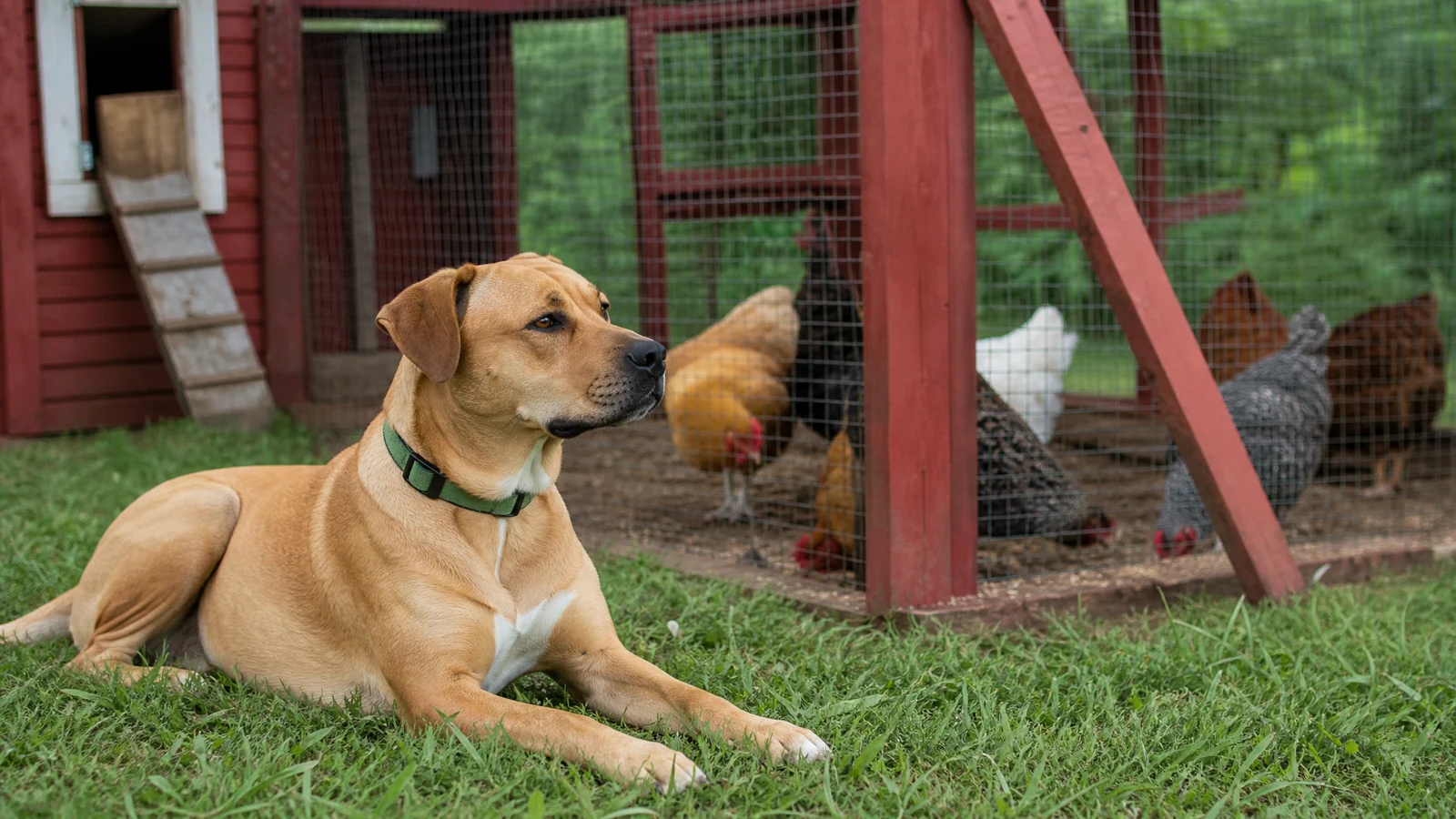 BehaviorTeaching Mountain Curs to Stay Calm Around the Chicken Coop
 Training basicsLeash Training a Mountain Cur: Walking a Scent-Driven Dog
 Training basicsAre Mountain Curs Easy to Train?