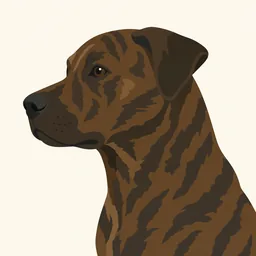
 Mountain Cur
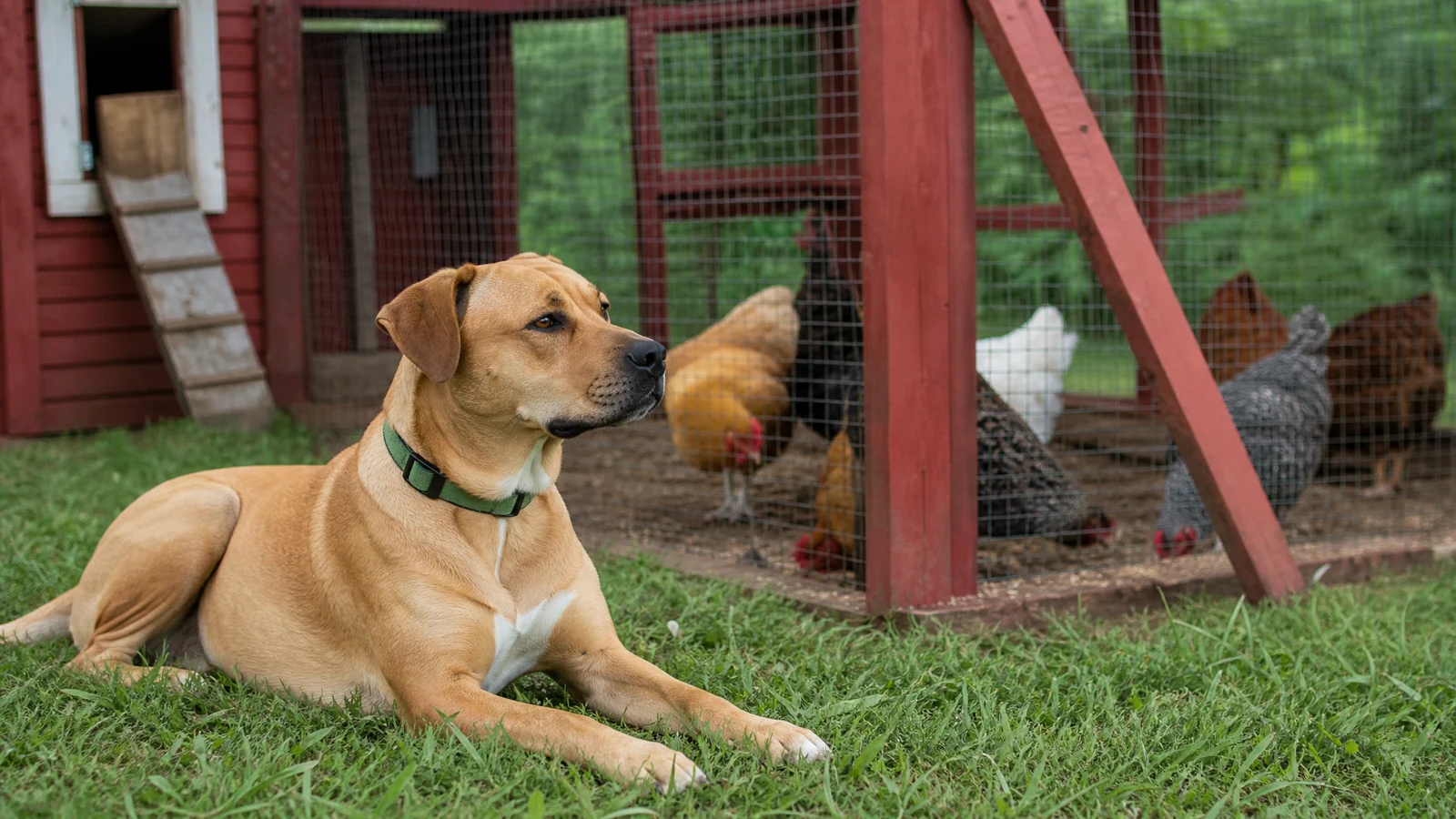
A farm-bred history does not make an individual Mountain Cur safe beside flapping hens. The same athletic attention that helped a working dog notice animals can become stalking, chasing or grabbing in a modern yard.
The first training decision is physical separation, not a test of what the dog will do. This guide builds a distance ladder around a secure coop and run.
We find a zone where the dog can observe and turn back, reward that return, then change one feature at a time. Reliable management remains a successful outcome even when the Mountain Cur is never loose with birds. Each step preserves two layers between dog and flock.
Mountain Cur Safety Around Chickens and Small Livestock
The AKC breed profile describes Mountain Curs as frontier dogs who hunted, guarded family and livestock, and may view small pets as prey. Those facts can exist together. Guarding a farm does not prove that one dog recognizes hens, chicks or rabbits as protected animals.
Begin with the individual response. A dog who can glance toward birds and return to ordinary sniffing gives different information from one who lowers the body, tracks every movement or surges at the barrier. Breed history sets context, while present body language sets distance.
Do not arrange a loose encounter to discover the answer. One chase can injure a bird, reward the pursuit and make the next approach faster. A calm dog outside the coop also has not demonstrated safety when a gate opens, a hen flaps or a chick moves through grass.
Define the household goal before training. Some homes need the dog to pass a distant coop on leash, while others need calm observation during supervised chores. Off-leash access inside a bird area is not required. The Mountain Cur temperament guide adds context for drive and watchfulness.
A Safe Coop for Chickens and Small Livestock
Audit the physical layout without the dog present. The coop, run and outer yard should create separate layers rather than one gate between predator and bird. Check low gaps, loose wire, latches, roof edges and corners where a dog could push, dig or trap an animal.
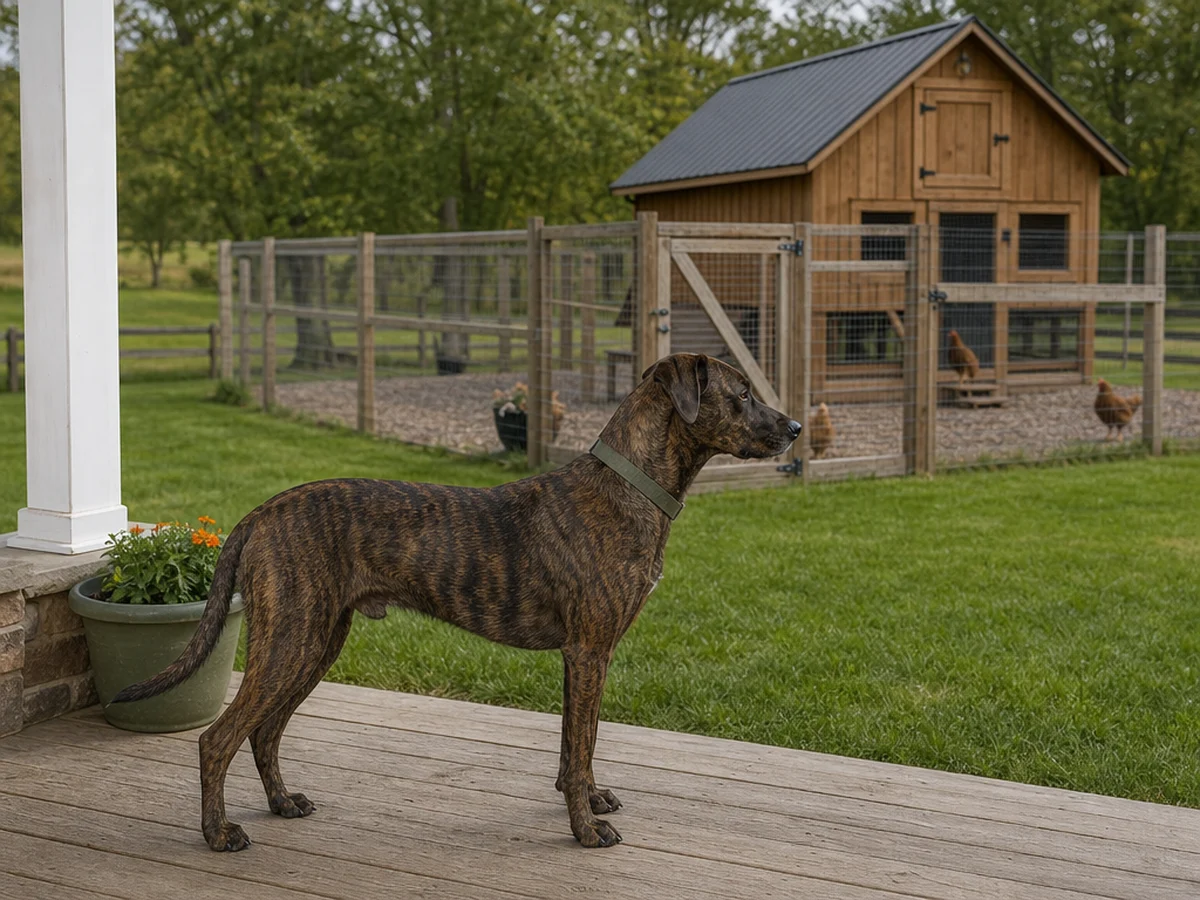
- Use a secure enclosed run with materials suited to local predators and weather.
- Create a second barrier or buffer lane outside the bird enclosure.
- Fit gates with reliable latches that cannot swing open during chores.
- Keep feed, eggs and bird-care tools outside the dog's training path.
- Give every small animal a shelter area the dog cannot reach or crowd.
Plan human movement through the layout. A person carrying water should not have to squeeze past a tethered dog or hold a leash while opening two gates. Set a dog station well away from the entry, and keep a second adult available during early practice.
Leashes and barriers back up one another. The leash prevents an approach while the enclosure protects birds if equipment slips. Hold the leash rather than tying it to a post. A startled dog can build speed on a tether, and the handler loses the ability to create a calm curved exit.
Inspect the setup before every session. Storm damage, loose soil and a latch left open can change a familiar scene. Keep dogs away while birds are loose after an escape. Training is paused until every animal is secured and the physical route is safe again.
New Chickens and Small Livestock Reset the Plan
Chicks and newborn livestock require a larger safety margin. Their movement, sound and size can produce a different response from adult animals. Treat every new age, species or enclosure as a fresh picture instead of assuming success transfers automatically.
Mountain Cur Observation Zones for Chickens and Small Livestock
Start where the dog can notice the enclosure without leaning into the leash. That may be across the yard or behind an additional solid barrier. The workable zone is defined by behavior, not a fixed number of feet, and it can change with bird activity.
Stand sideways to the coop and let the Mountain Cur look briefly. Mark the first voluntary turn back, ground sniff or soft body shift, then place the reward away from the birds. Delivering behind the dog makes the useful movement part of the result.
If the dog stares, closes the mouth, lowers the body or moves forward with slow intensity, increase distance immediately. The Best Friends handling guide uses the same humane principle in another context: notice early stress signals and return to an easier step rather than pushing farther.
Keep the first session brief enough that ordinary behavior returns. Walk away to sniff, then finish somewhere unrelated to livestock. Long exposure can turn quiet staring into a rehearsed pattern, even when the dog never barks or lunges.
Observation Notes for Chickens and Small Livestock
Record distance, bird activity and the dog's recovery. “Three hens walking, dog looked and turned back twice” is more useful than “good.” Notes reveal whether flapping, feeding, running or vocalizing changes the response, so the next session can isolate one feature.
Do not attach the plan to a fixed calendar. One dog may repeat the same observation zone for many sessions, while seasonal changes create new difficulty for another. Readiness comes from loose movement, voluntary returns and recovery after leaving, not from the number of days since training began.
Four Mountain Cur Stages Around Chickens and Small Livestock
The ladder changes only one variable at a time. Distance may shrink while bird movement stays mild, or movement may increase while distance stays generous. If both change together, the handler cannot tell which part made the lesson harder.
Stage One Notices Hens and Returns
Work at the original observation zone. Reward a glance followed by orientation back to the handler, then move farther away for a short sniff break. Repeat only while the leash remains loose and the dog can take food gently.
Stage Two Adds Hens Moving at a Distance
Ask a helper to create ordinary bird movement inside the secure run while the dog remains far away. The helper might scatter feed or walk through the enclosure. Reward the dog for noticing and returning, and stop if the body becomes still or low.
Stage Three Changes the Mountain Cur's Position
Walk a wide arc parallel to the buffer fence rather than approaching it directly. Pause only where the dog can reconnect. Our Mountain Cur recall guide supports the turn-away skill, but the leash and barriers remain in place throughout this practice.
Stage Four Adds a Simple Chicken Chore
With a second adult handling the dog, complete one quiet chore inside the enclosure. Keep gates closed between the dog and birds. The dog earns rewards for stationing, looking away and resting, while the livestock handler moves predictably and ends before activity rises.
| Readiness check | Ready to repeat or progress | Needs an easier stage |
|---|---|---|
| Leash | Loose with easy turns | Constant forward pressure |
| Attention | Brief looks and voluntary returns | Fixed tracking or repeated surges |
| Body | Curved movement and ordinary sniffing | Stillness, crouching or trembling |
| Recovery | Can leave and resume normal behavior | Scans or pulls after gaining distance |
Progress requires the whole ready column across several ordinary sessions, not one quiet minute. A windy day, new flock member or excited visitor can send the plan back a stage. Moving down the ladder preserves learning and protects the animals.
Chicken Chores Need a Separate Mountain Cur Plan
Chores change the picture because gates move, feed scatters and birds gather near people. Put the Mountain Cur indoors or behind a secure outer barrier when no adult can focus entirely on the dog. Multitasking with an open gate is not a training session.
When the dog joins a controlled chore, assign the handlers before starting. One person manages the dog and leaves if needed. The other handles birds and gates. Neither person hands over equipment in the buffer lane, and both confirm every latch before the dog approaches.
The PDSA leash guide recommends stopping when the leash becomes tight rather than pulling back. Near livestock, stopping is only appropriate inside the safe observation zone. When focus locks onto a bird, turn away and create more distance instead of waiting close to the enclosure.
Prepare for flapping without causing it on purpose. Practice a cheerful exit cue away from livestock, then use a helper at a very easy distance while birds move normally. If wings, running or alarm calls produce a surge, leave the area and return to an earlier ladder stage on another day.
- For a loose bird, take the dog indoors before attempting capture.
- For a failed latch, secure the dog behind two barriers before repairs.
- For dropped feed, remove the dog before cleaning the shared route.
- For an injured animal, create complete separation and call the appropriate veterinarian.
- For a dog who reaches a bird, separate safely and seek veterinary care for the animal.
Do not chase a loose hen while holding the Mountain Cur. Fast human movement and bird distress can intensify pursuit. The dog goes to a secure indoor location first, even if that adds time to the recovery. Safety procedures should be rehearsed with empty enclosures before an emergency.
Permanent Boundaries for Chickens and Small Livestock
Some Mountain Curs may learn calm passage outside a secure coop, while others always need more distance. Neither result is a moral grade. The meaningful outcome is predictable behavior within a management system that does not expose birds to a test.
Never infer safety with chicks, rabbits, goats or other small livestock from work around adult hens. Species, size, sound and movement all alter the picture. Begin again at the outer observation zone and consult an experienced reward-based professional when the farm setup is complex.
Regular veterinary visits support both sides of the plan. Pain can reduce a dog's ability to disengage, and livestock injuries can be hard to see. Pause training after any health change and follow veterinary guidance before returning to the ladder.
- Keep the outer buffer closed before opening any bird enclosure.
- Return to greater distance whenever recovery becomes slower.
- Maintain separate dog and livestock plans for emergencies.
Use the broader Mountain Cur training guide to maintain stationing, recall and calm handling away from the coop. Those skills help, but they never replace intact barriers, closed gates and adult supervision around live animals.
Review the plan by asking what prevents one mistake from becoming contact. A leash should have a buffer fence behind it, and a gate should have a second closed boundary beyond it. Success can remain a Mountain Cur who watches hens from a workable zone, turns back readily and never enters their space.
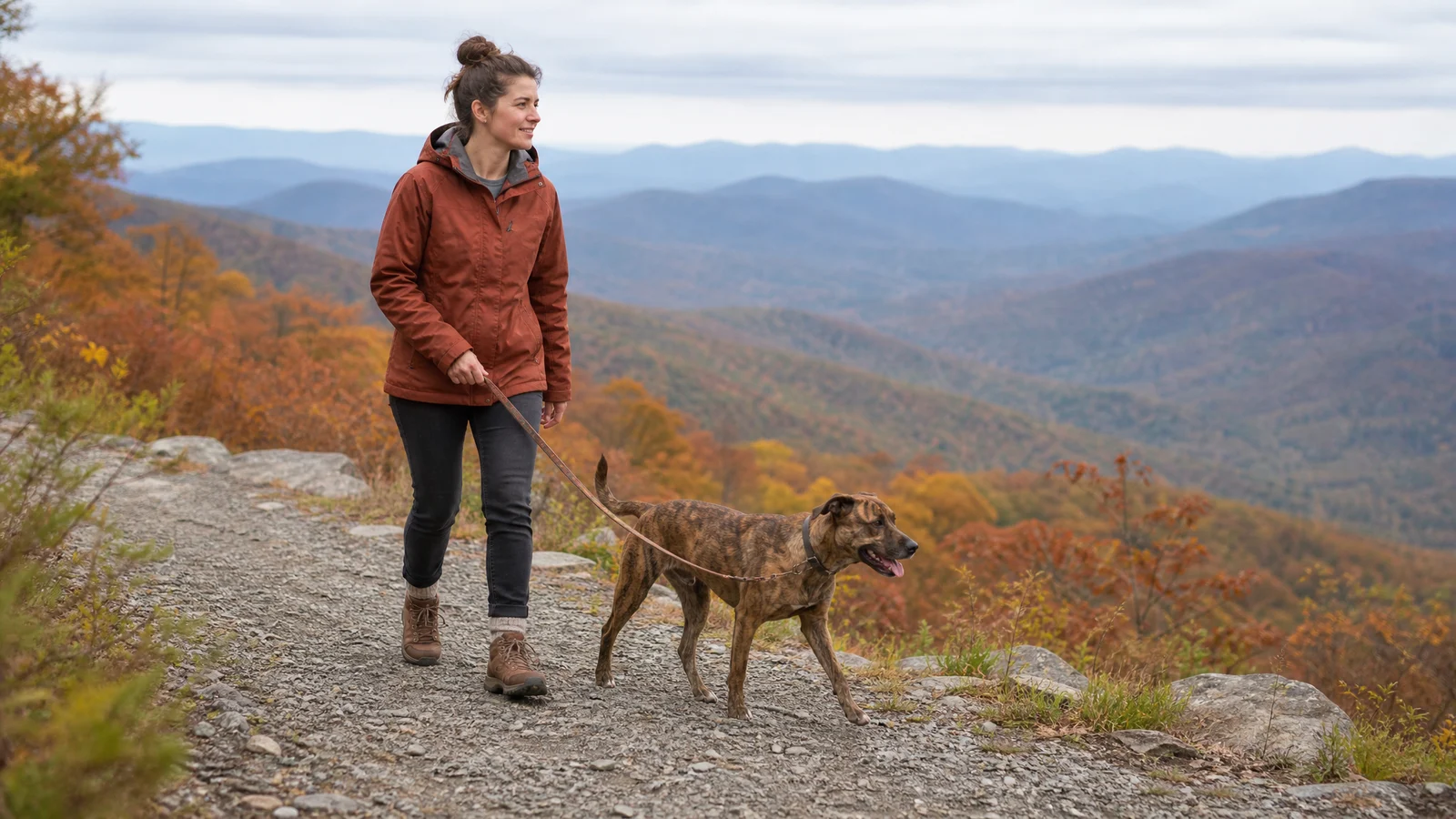 Training basicsLeash Training a Mountain Cur: Walking a Scent-Driven Dog
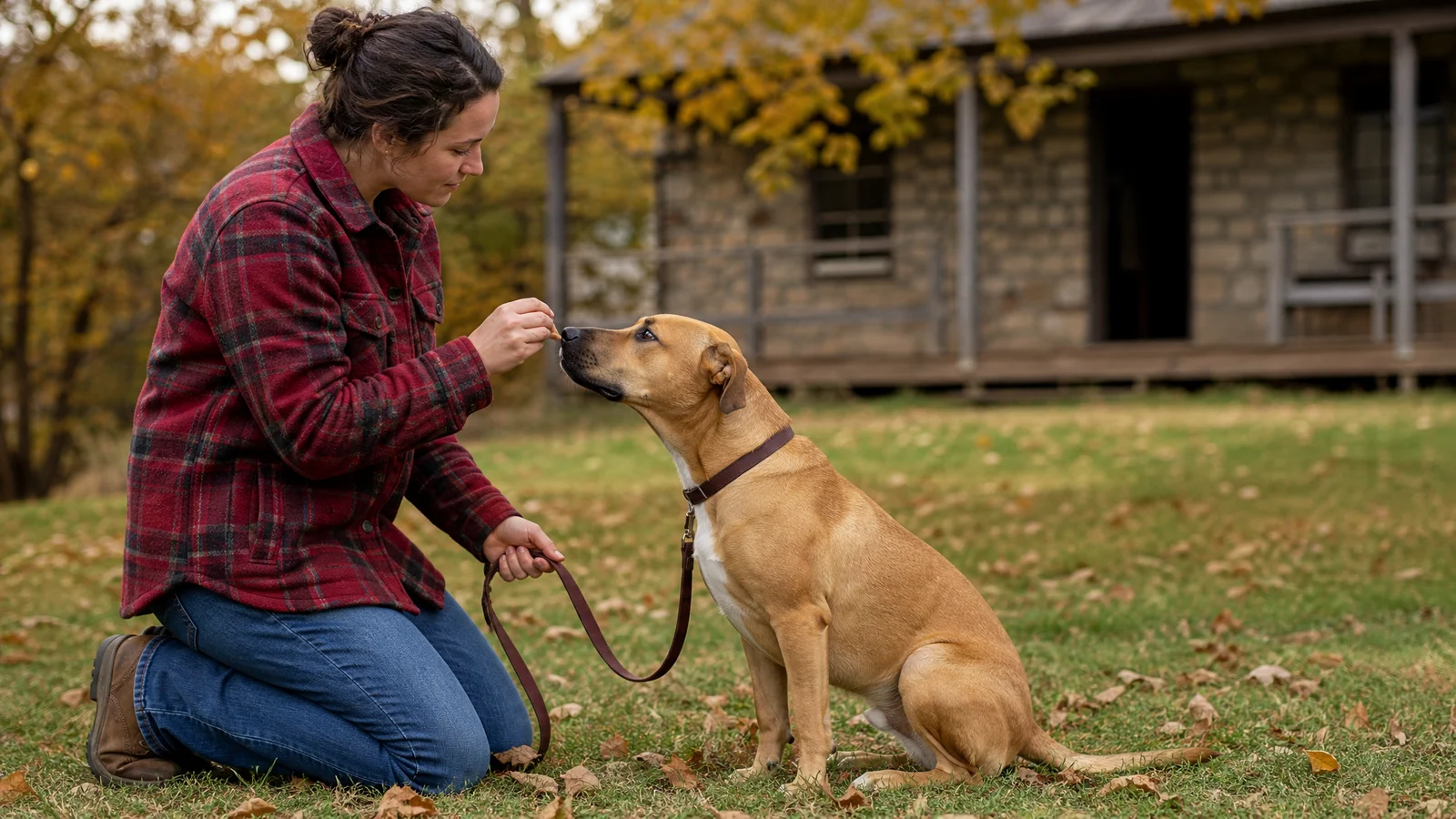 Training basicsAre Mountain Curs Easy to Train?
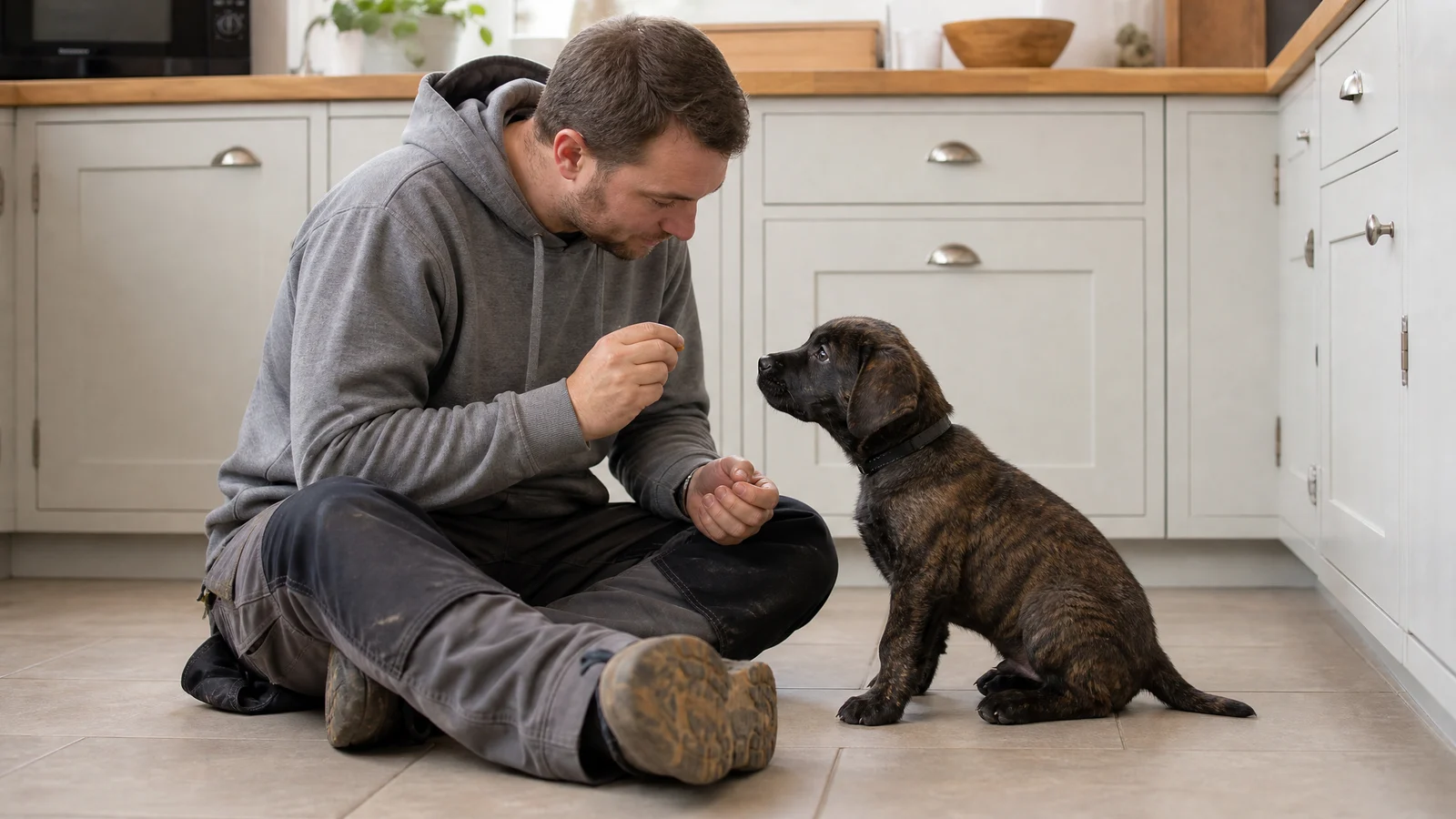 Puppy trainingHow to Train a Mountain Cur Puppy: The First Months