 Mountain Cur
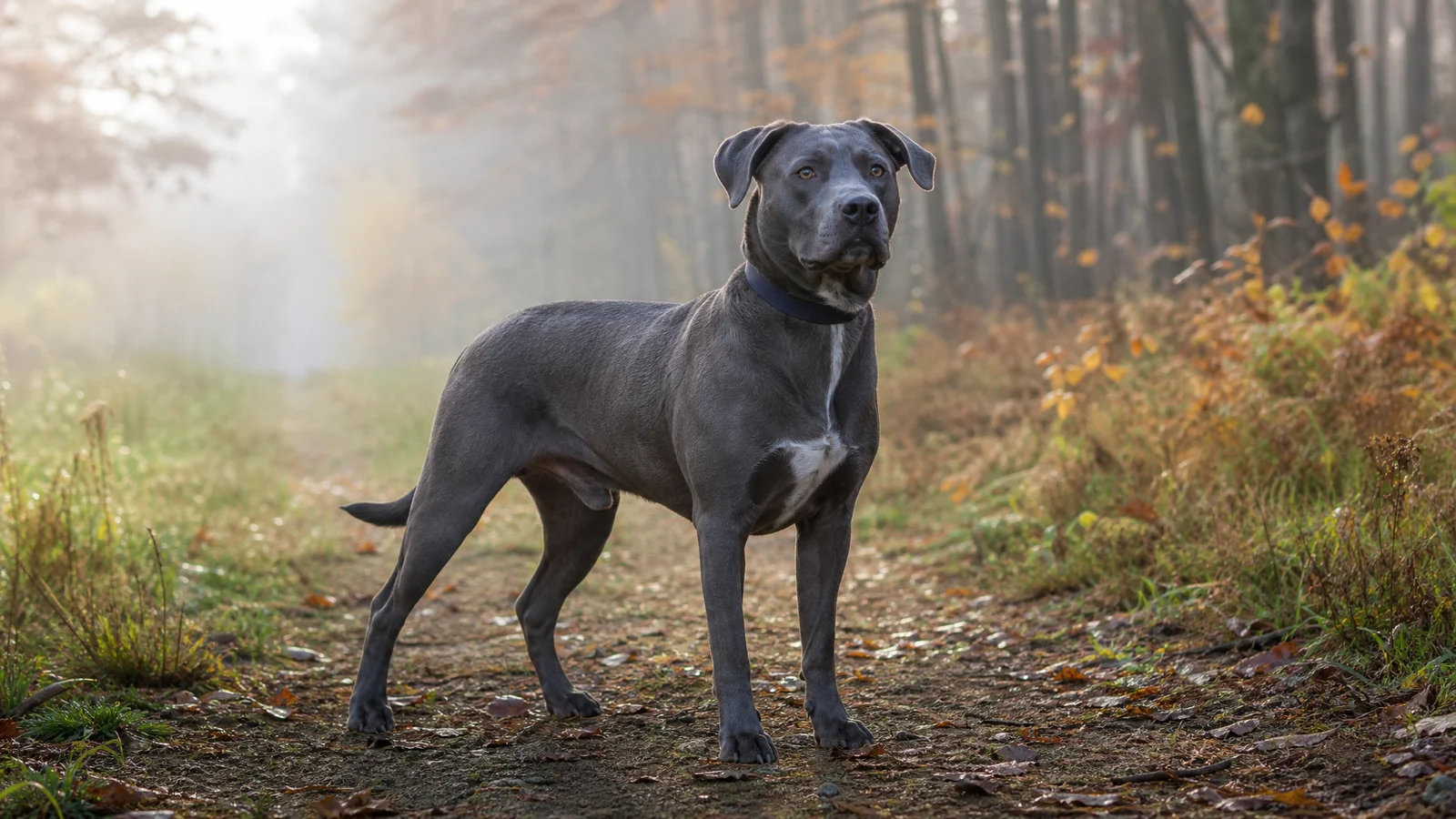
A visitor steps through the door. The dog backs off a few feet, stares, and barks. Ten minutes later, with the guest seated and the owner relaxed, the same dog is leaning on a knee or asleep on the couch. Many owners recognize this pattern, and it is not a flaw. That is Mountain Cur temperament at work.
The breed is smart, watchful and slow to trust strangers. Owners also call them stubborn, and many say the first two years were the hardest, with life easing after about two. Handled well, those traits give you a loyal, steady dog. Handled badly, they become nonstop barking, guarding and ignored cues.
Below, you'll find the breed's working history, a training plan built on their temperament, and sensible limits for strangers, children and other pets, including the signs that the plan is working. We have trained this breed for many years, and the plan reflects that.
Mountain Cur Origins
The Mountain Cur is a working dog, and the breed standard calls them "a powerful, agile tree dog of medium size." The job list behind that phrase explains the temperament. Mountain Curs were originally bred to hunt, work and guard, and they guarded the family and livestock against wild animals or intruders.
That mix asked for a dog who was bold in the woods, watchful on the farm and close to the people at home. The standard says that besides hunting, Mountain Curs make great family companions and watch dogs. Not every Cur hunts today, but the wiring has not gone anywhere. It now shows up in your living room.
Many Mountain Curs now come through rescue as adolescents or adults, often with a past nobody knows. Owners of these dogs most often describe them as sweet, affectionate and loyal, even when they also call them stubborn or a handful. Several say the rescue made them fans of the breed.
Treeing Work and Temperament
A treeing dog works far from the person who owns them. That job rewards independence, nerve and a deep commitment to the task. The standard describes a breed that is intelligent with a strong desire to please, yet has strong treeing instincts on all game. Both halves are real, and owners feel both of them every day.
Drive and Stamina
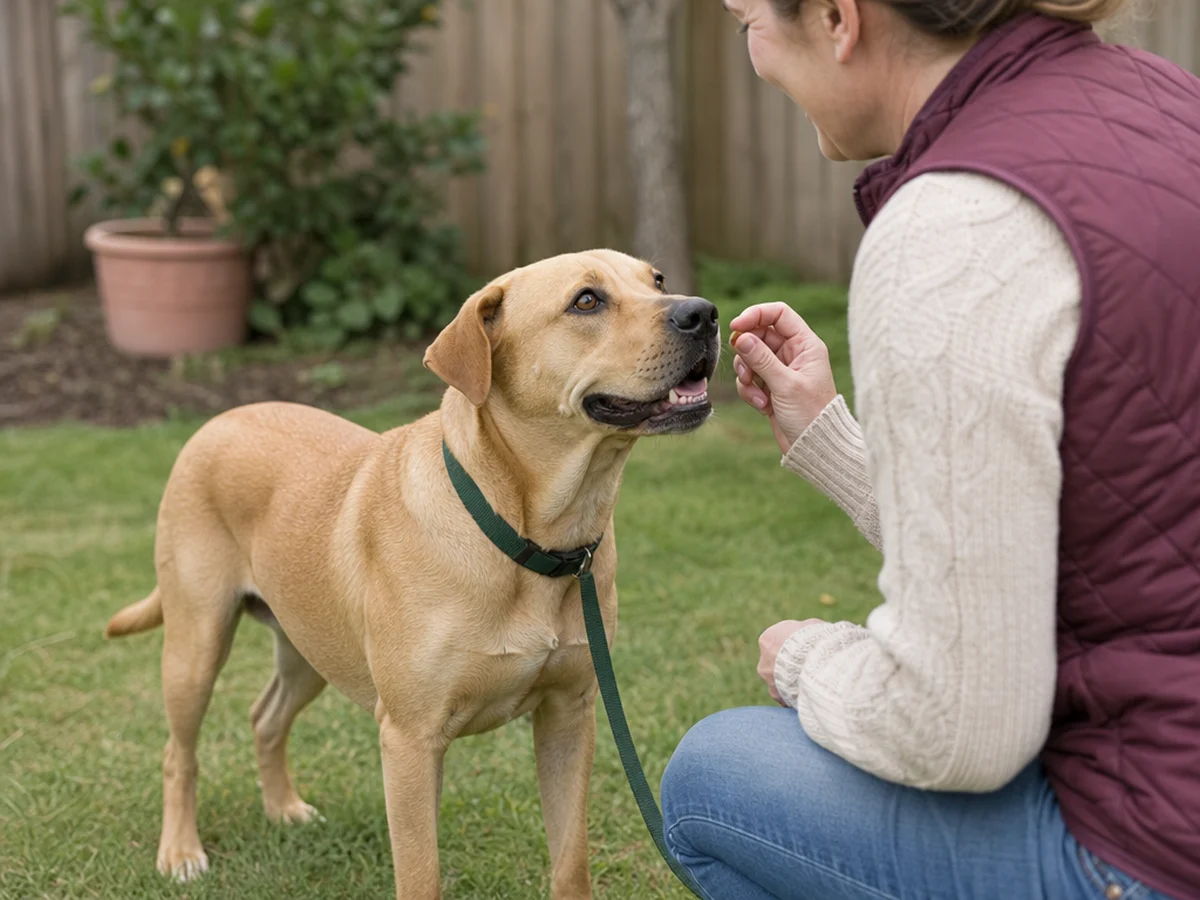
This breed was built for stamina, so a short walk rarely tires a Mountain Cur. Plan long, steady work, not brief bursts. Owners who give a figure report one and a half to two hours of walks and play a day as the working minimum for pet homes. Hunting homes report far more.
The drive also explains the weak spot owners name most: recall. A dog who knows every other cue may still not come when a scent or a small animal is in play. Teach it early and keep a long line on until it is reliable. The Mountain Cur puppy training guide covers the first steps.
Boldness and Reserve
The breed was also kept to guard, so boldness points at strangers and unfamiliar animals as well as game. Reserve with strangers is not shyness. That is a dog sorting out who belongs. In their own territory they are watchful guard dogs and will protect their resources and family.
The standard disqualifies both viciousness and extreme shyness. That sets your target: a steady, confident dog who is neither fearful nor over-aroused. It also describes a clear bark that carries a long distance, and a dog may be open, semi-open or silent on track. Individuals differ.
The Mountain Cur Temperament Reputation
Farmers and hunters describe the breed as excellent hunters, working dogs, companions and watch dogs. The reputation is consistent: a courageous, extremely intelligent dog who does whatever job their person wants. The profile of the breed gives three temperament words: intelligent, reserved with strangers, strong-willed. Each one points at something to train.
Intelligent means fast learning, sometimes in one or two repetitions. Owners say that cuts both ways, because bad habits stick just as quickly. Reserved means strangers need a plan. Strong-willed means the dog has opinions about your cues. Owners describe hardheaded dogs who need their name said again and again and training that feels different from other breeds they have owned.
AKC's ratings turn those words into numbers, and each number points at a training job.
| Trait | Rating | Train for |
|---|---|---|
| Watchdog and protective nature | 5 of 5, Vigilant | Alert, then settle |
| Barking | 5 of 5, Very Vocal | Meet needs, manage triggers, reward quiet |
| Openness to strangers | 1 of 5, Reserved | Calm and neutral, not friendly with everyone |
| Trainability | 5 of 5, Eager to Please | Short, rewarding sessions |
| Good with young children | 3 of 5, With Supervision | Supervised, calm interactions |
| Good with other dogs | 3 of 5, With Supervision | Planned introductions |
Treat the 5 for trainability as a ceiling, not a promise. The same profile says some may be difficult to train while others are more agreeable. Expect your dog to land somewhere in that range.
Temperament in the Home
Inside the house, three things define daily life with a Mountain Cur: energy, watchfulness and closeness with the family. Owners describe two modes. Dogs are active around other dogs or outdoors, then laid-back or mellow at home. The second mode depends on the first being met. Owners tie good behavior at home to a tired dog, with no chewing in an apartment and sleeping after agility.
Energy and Settling
Too little exercise shows up in predictable ways. Owners describe whining at the owner, boredom, stress yawns and zoomies on the couch or around the house. Interactive outlets beat toys alone. Wrestling with the owner, agility and a second dog to play with all work well. Fetch splits owners, since some dogs are ball-obsessed and others would rather shred.
Where owners give an age, the dog settled after about two. The oldest dogs range from lazy with occasional bursts to still full of zoomies at 11. Frustration in adolescent dogs can show as barking, jumping up and nipping, so more outlets help in the hard years. For chewing and counter theft, exercise, attention and supervision help. Owners describe determined thieves of bread, ribs and steak, so keep food out of reach.
Watchfulness and Voice
The breed is rated 5 of 5 for barking, yet owners split. Many describe dogs who rarely or never bark, including several rescues. These dogs whine, talk and snort instead, for food, to go out, in the car, at strangers or when left alone, and some find other quiet ways to ask for what they want. When some dogs do bark, owners describe a startlingly loud voice with no warning.
Plan on a watchful dog, but do not assume a loud one. The realistic goal is to decrease barking, not eliminate it, and some dogs are more prone than others. Volume matters for neighbors, so lean on exercise, a job and managing windows and fences.
Closeness With Family
The breed is friendly with the people they know, but personalities vary even within one home. Owners describe clingy dogs who stay inches away, and a cat-like dog who wants attention on their own terms. Neither is wrong. Rescues may take longer. Owners describe fearful dogs who settled through love, consistency, encouragement and time, and for the most fearful it took years, not weeks.
Training the Mountain Cur Mind
Training works best when the relationship is the tool. The standard says a Mountain Cur responds better to training with lots of human contact, and fanciers say the breed works with their people and does best when a solid bond is formed. Owners report that praise, a calm voice and offered alternatives work. A timid dog needs no more than a look or a soft word.
Short Sessions, Strong Rewards
A dog who is smart but can be stubborn suits short sessions and rewards they truly want. Use real food, a favorite toy or a game of tug. Say the cue once, mark the right answer with a word, and stop while they are still eager. Because this breed learns fast, be careful what you pay for. A dog who gets attention for counter surfing will repeat it quickly.
If you want help, hire a reward-based professional. The breed is trainable enough to become therapy dogs, so the ceiling is high. Gear matters as well. Some Curs slip their collars and harnesses and pull hard, so choose a well-fitted harness and practice loose-leash walking with rewards for staying beside you.
Alert, Then Settle
Alerting is what the breed was kept for, so do not try to remove it. Let the dog alert naturally, then show them that you take it from there. Try this routine:
- Acknowledge the alert in a calm voice, such as "thank you."
- Call the dog away from the door or fence and reward them for coming.
- Send them to a settle spot and reward them for staying there.
- Repeat daily until the dog checks in with you after each alert.
Needs Before Cues
Some behavior is a need, not a training gap. Some barking comes from loneliness, so look at the cause before adding rules: company, daily routine and a calmer environment can matter more than any cue. Management helps too, so use a crate, a pen, puzzle feeders and supervision for a smart dog who will find trouble if given the chance.
Mountain Cur Social Limits
Socialization is a bigger, longer part of the plan for this breed than for an average dog. The first three months of life are the most important window, when sociability outweighs fear. Fanciers say the breed is normally wary of strangers and must be heavily socialized. The Mountain Cur socialization guide has the details. Keep going well past puppyhood.
Strangers and Visitors
Aim for calm and neutral behavior, not friendliness with everyone. Treat visitors as managed events. Let the dog watch from a settle spot, reward calm behavior, and supervise any contact with people who do not live in the home. Do not force greetings. A dog who is allowed distance usually softens, as the opening scene shows.
Start resource guarding prevention in puppyhood. Play trading games, and work with the food bowl and chews, so that people near their things predict something good. If you see tension, read our guide on Mountain Cur aggression.
Young Children
The rating for young children is 3 of 5, With Supervision. Owners report jumping at a newborn and toddlers, and one pattern that works is keeping play outdoors and the house calm. Do not leave a child and dog together without an adult watching, and show children to give the dog space while they are eating or resting.
Other Dogs and Small Pets
Other dogs also rate 3 of 5, so plan introductions on neutral ground. A minority of owners describe a hard start with rough, dog-style play aimed at the owner. Redirect it to a toy and stop play when it gets too rough. Owners also report that recall fades near small animals, so use a leash or long line until the dog is reliable.
Signs Temperament Training Pays Off
Progress with this breed is quiet. You will not get a dog who loves everyone. You will get a dog who is steady, watchful and settled, because their mind and body are both worked. That is the main point of the whole plan. Meet the energy and brain needs, give the watchfulness a routine, and build the bond. Then temperament becomes an asset, not a problem. Look for these signs:
- Greetings get calmer, and the dog checks in with you before reacting to a visitor.
- Alerts are short, and the dog comes away from the door or fence on cue.
- The dog settles at home after exercise and sleeps through ordinary noise.
- Recall holds a little longer each month, even with distractions.
Some signs mean you should call a reward-based professional. Book regular vet visits too, because pain can change behavior. Reach out to a professional if any of these appear:
- Guarding of food, toys or people gets worse, with stiffening, growling or snapping.
- Any aggression toward a family member, or any bite.
- Fear that does not ease, such as constant hiding or shivering, after months of patient work.
- Barking or destruction that rises week by week despite more exercise and a settled routine.
 Training basicsHow to Train a Mountain Cur: The Complete Guide
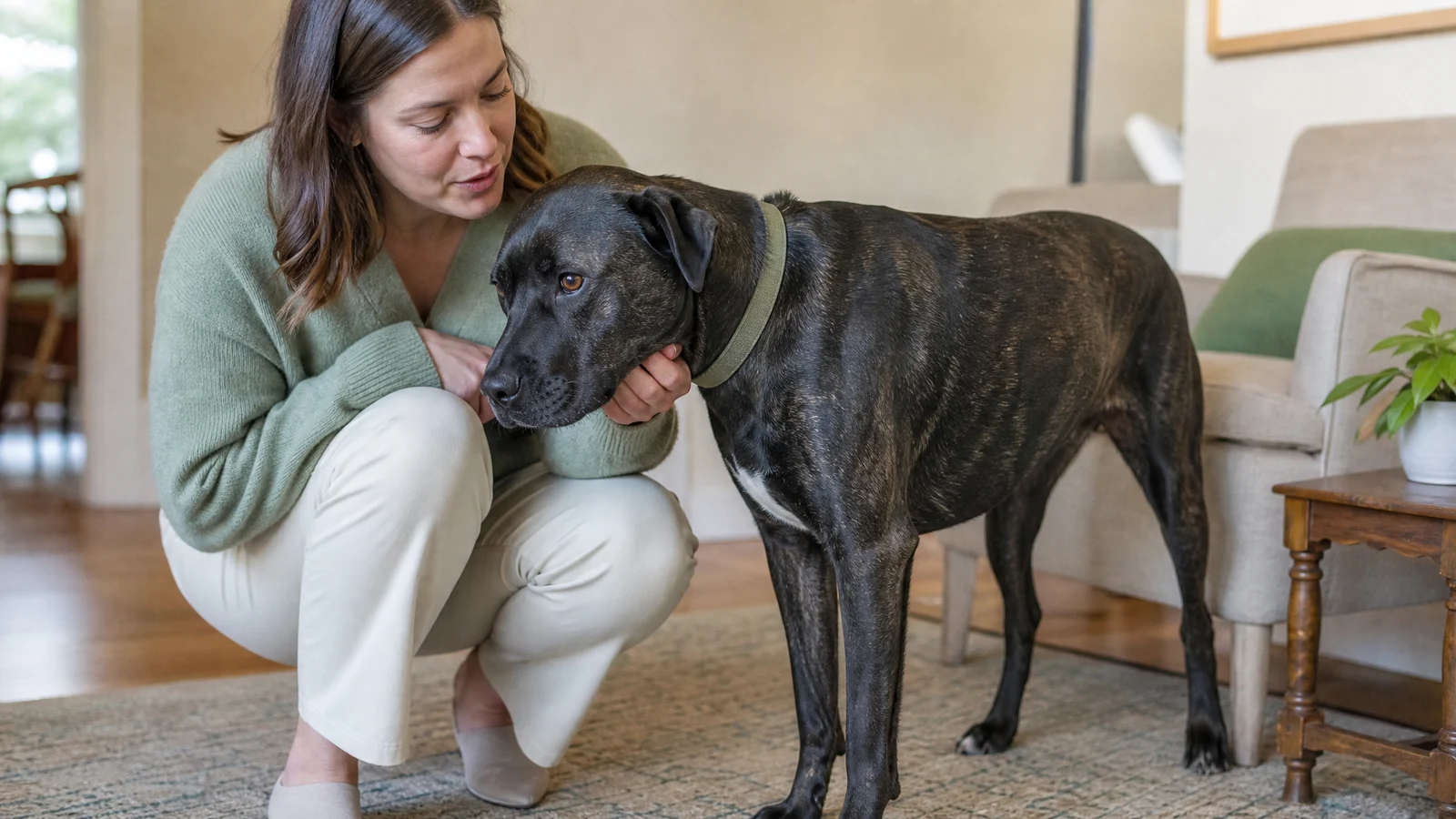 Training basicsTraining a Sensitive Mountain Cur: Praise and a Calm Voice
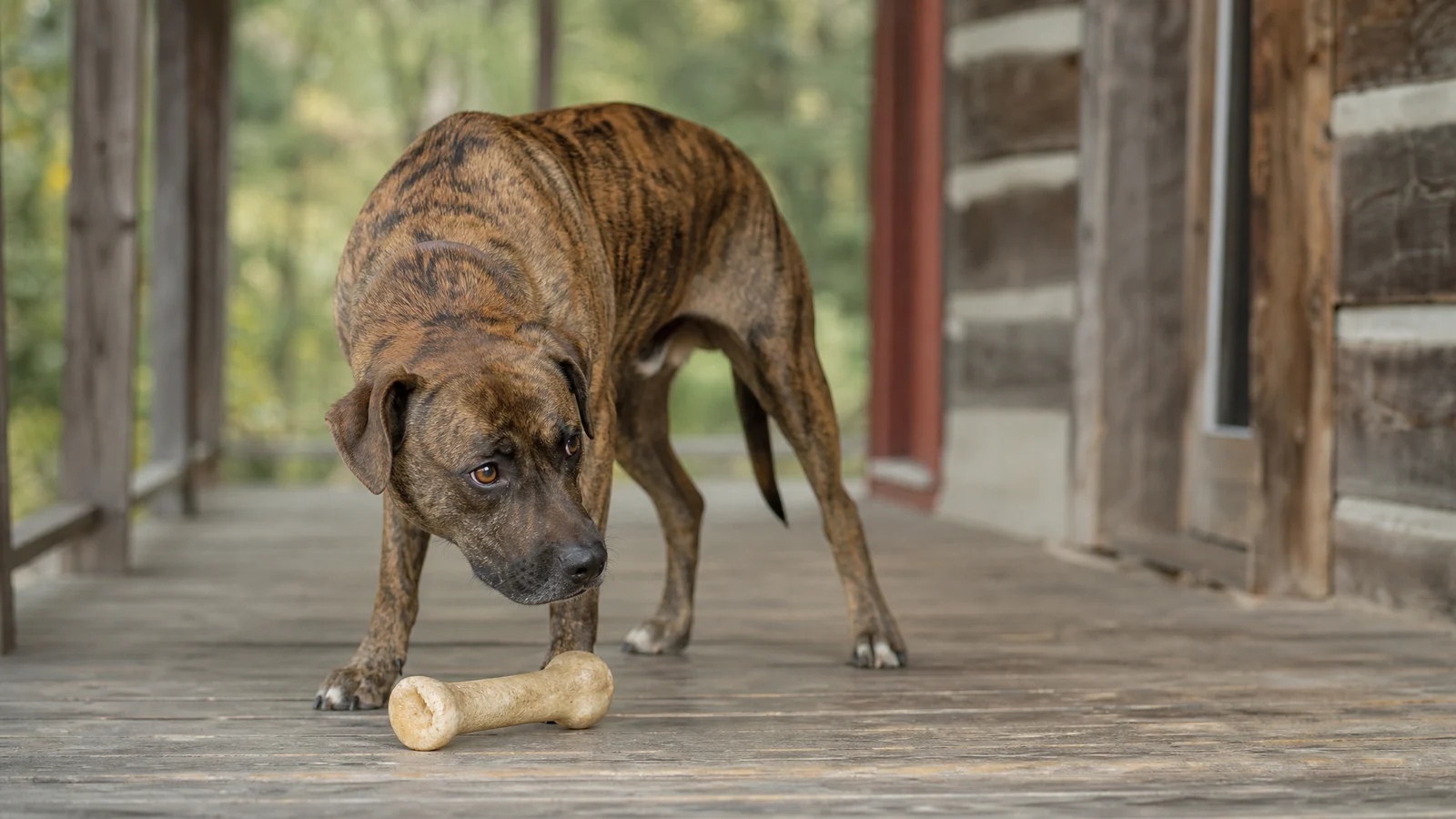 BehaviorResource Guarding and Protectiveness in Mountain Curs