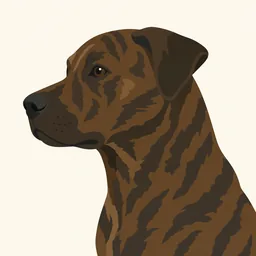
 Mountain Cur
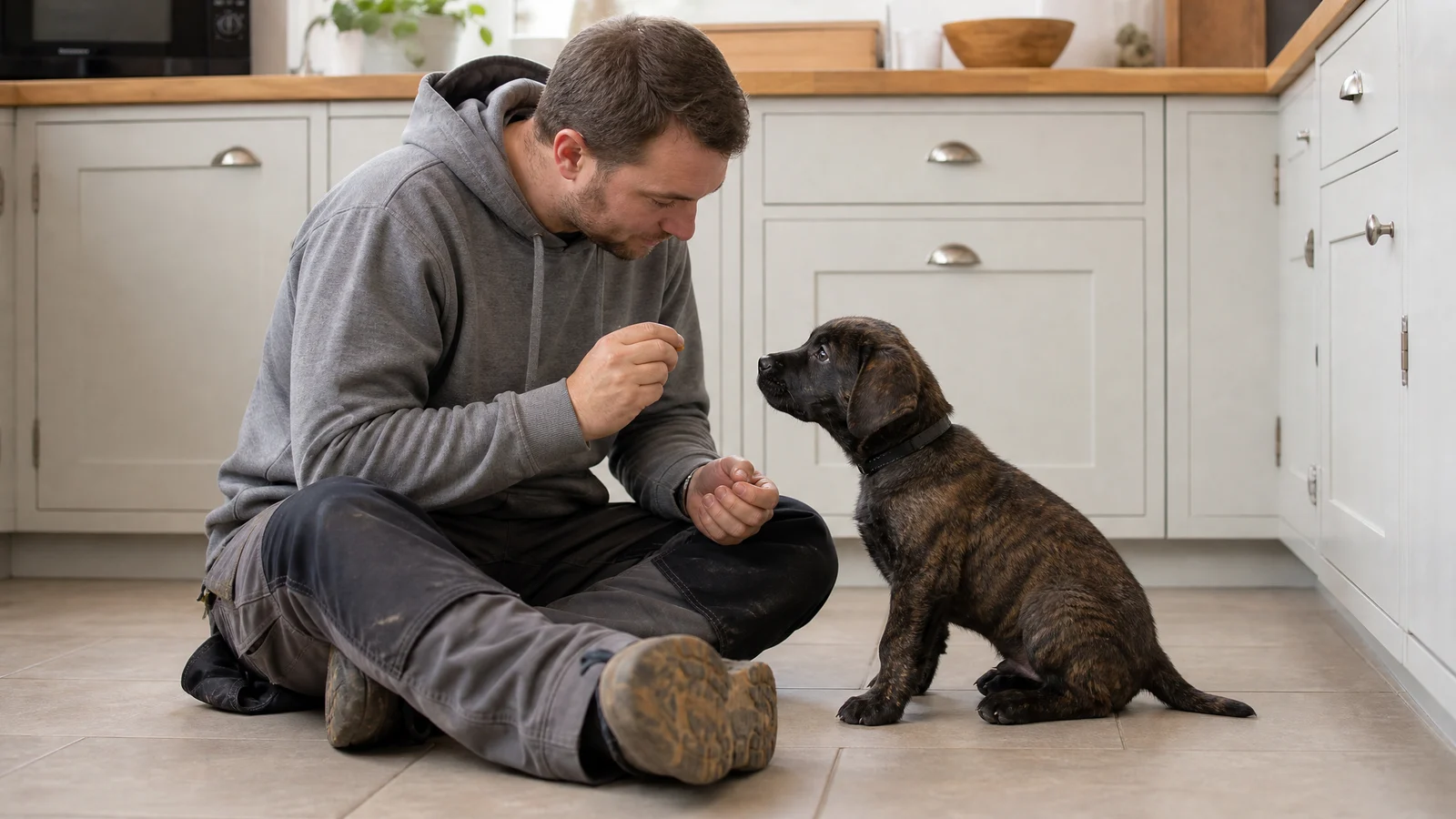
The costliest habit with a Mountain Cur puppy is waiting. A puppy looks too small for rules and introductions, so the plan becomes starting once they are older and calmer. Months later you are living with a wary, guarding adolescent, and that dog is far harder to change than the puppy ever was.
The fix is to put socialization, resource-guarding prevention and leave it first, from week one. A smart, watchful, reserved dog turns the habits of these early months into the adult they become. We specialize in Mountain Cur behavior and training, and we put these three first for any Mountain Cur puppy.
This article looks at the first months of Mountain Cur puppy training and the choices that matter most in them. Read on to learn how to settle a new puppy in, which introductions come first, how to prevent guarding, how to teach leave it, and what one full day can look like.
A Ten-Week Mountain Cur Puppy in an Apartment
Take a typical case: a Mountain Cur puppy, ten weeks old, arriving at a two-bedroom apartment with a hallway, a street-facing window and neighbors on the other side of every wall. We follow that setup from the first night through the end of the second week. Every step can be copied in a home of any size.
Start from what the breed is. Mountain Curs are high-drive working dogs, extremely smart, and likely to get into trouble when left unsupervised. They are normally wary of strangers, and they can be very protective of their home. That decides the order of the work.
For this puppy the priorities run as follows. First comes settling in, with a sleep spot and a predictable routine, because everything else is easier with a rested puppy. Next is careful socialization, aiming for a calm, neutral dog rather than one who loves everyone. Then guarding prevention from the first meal, leave it before any prey drive shows, and management of the apartment so the puppy never gets to rehearse trouble.
Settling the Puppy in Before Anything Else
On the first evening, our example puppy gets a small, boring area: a pen or crate with a bed, set beside your bed in the bedroom. They will probably cry during the night. Some owners of this breed report nightly whining and close supervision through puppyhood, so expect broken sleep and plan for it rather than being caught off guard.
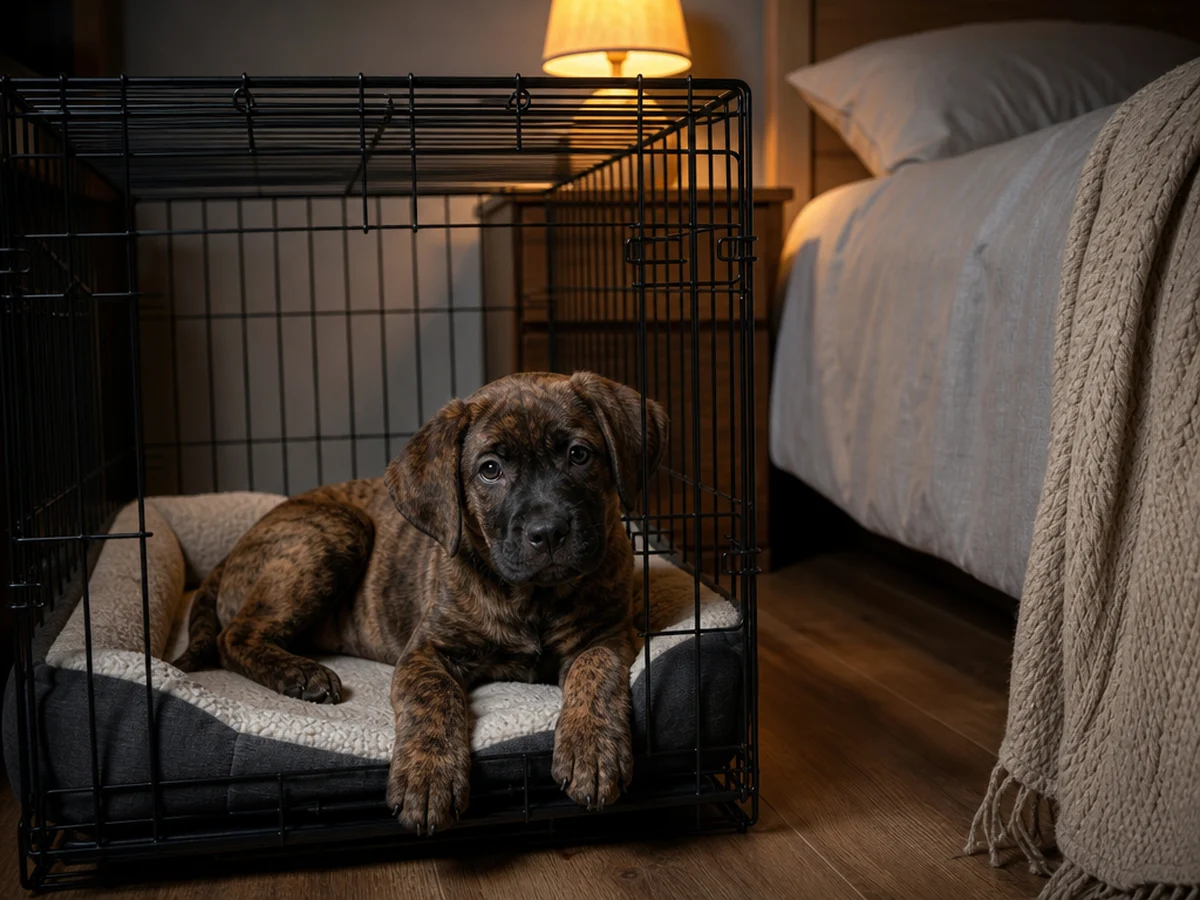
Keep the first days quiet and repetitive. Use the same sleep spot, the same meal place and the same door for toilet trips. A smart puppy learns a routine fast, and predictability is what a cautious breed needs most. The details of crate and pen work are in our guide to crate, pen and settle training.
Add calm handling from day one. Touch a paw, lift an ear, hold the collar for a moment, then give a treat. Keep each round short and stop while the puppy is still relaxed. This builds the bond the breed thrives on, since a Mountain Cur responds better to training with lots of human contact. It also makes later exams easier, and regular vet visits through puppyhood keep growth and health on track.
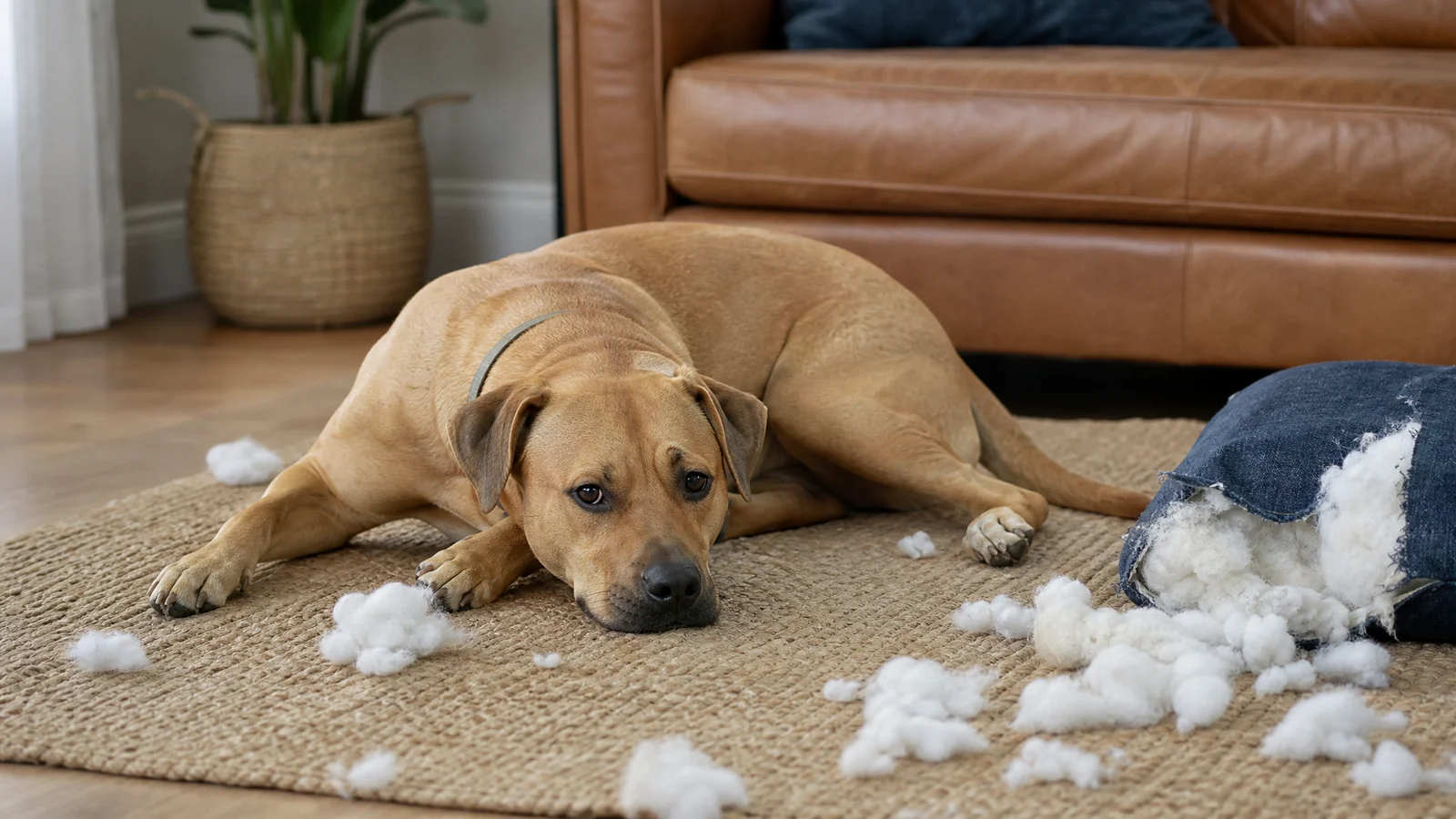
Management is the quiet half of settling in. Pick up shoes, cords and anything chewable, and use the pen whenever you cannot watch. Boredom and unsupervised time are the usual route to destruction in this breed, so it is easier to remove the chance than to argue about it later.
Which Introductions Come First for a Wary Puppy?
Start with the people who will be in the puppy's life every week: a neighbor in the hallway, the person at the corner store, a friend who visits often. Our example puppy meets each of them briefly, from a comfortable distance, with a treat for simply noticing them. Early socialization is key to a well-mannered pet, and for this breed it needs to be a bigger, longer part of the plan than for the average dog.
The goal matters. Mountain Curs sit at the reserved end of the scale for openness to strangers, so aim for calm and neutral, not friendly with everyone. The breed standard disqualifies both viciousness and extreme shyness, which points to the same target: a steady, confident dog who is neither fearful nor over-excited. Common advice says to let every stranger pet the puppy. For this breed, we would not.
Outside the Apartment
Until vaccinations are complete, keep the puppy away from places where unvaccinated dogs have been, until 1–2 weeks after the full primary course. That does not mean staying inside. Carry the puppy to a bench, sit, and let the world go by while you hand out treats for watching. Sidewalk noise, bicycles and strollers can all be introduced this way.
Structured classes help too. Group puppy socialization classes are usually open to puppies from 7–8 weeks. Before the opening session, the puppy needs their first vaccine round, given at least 7 days earlier, along with a first deworming. Your vet can tell you whether your puppy is ready.
Keep every exposure short. If the puppy freezes or backs away, add distance, wait, and reward when they relax. Never push closer. A puppy who is allowed to choose how near to go learns that new things are safe to look at.
Visitors at the Door
Treat visitors as managed events. Before the knock, send the puppy to a settle spot with a chew, ask guests to ignore them at first, and reward calm. Mountain Curs are friendly with the people they know, but fanciers advise supervising them with anyone who does not live in the home. Teach children to interact gently, because the breed does not tolerate rude handling well, such as ear pulling.
This is general information, not veterinary advice. Check with your veterinarian about when your puppy's vaccines and deworming allow outings and classes, and about how much and what to feed.
Keeping a Mountain Cur Puppy From Guarding
At the first meal, our example puppy eats from a bowl while you walk past and drop something better into it, such as a small piece of chicken. You do not take anything away. You add. After a few days the puppy looks up when you approach, because what arrives with you is good news. This is guarding prevention, and it starts long before any guarding appears.
The breed gives this extra weight. On their own territory, Mountain Curs are watchful guard dogs who will protect their resources and family. Resource guarding is typically based in anxiety, so the aim is a puppy who feels no worry when hands come near their things. Build that in small, repeatable games:
- Trade games: offer a treat for a chew or toy, hand the item back right away, and repeat until the puppy lets go gladly.
- Bowl visits: add food to the bowl while the puppy eats, and vary who does it.
- Chew time in the pen: give valued chews where nobody disturbs the puppy, then leave them alone with it.
- Guests and chews: put the chew away before visitors arrive, so nobody gets tested.
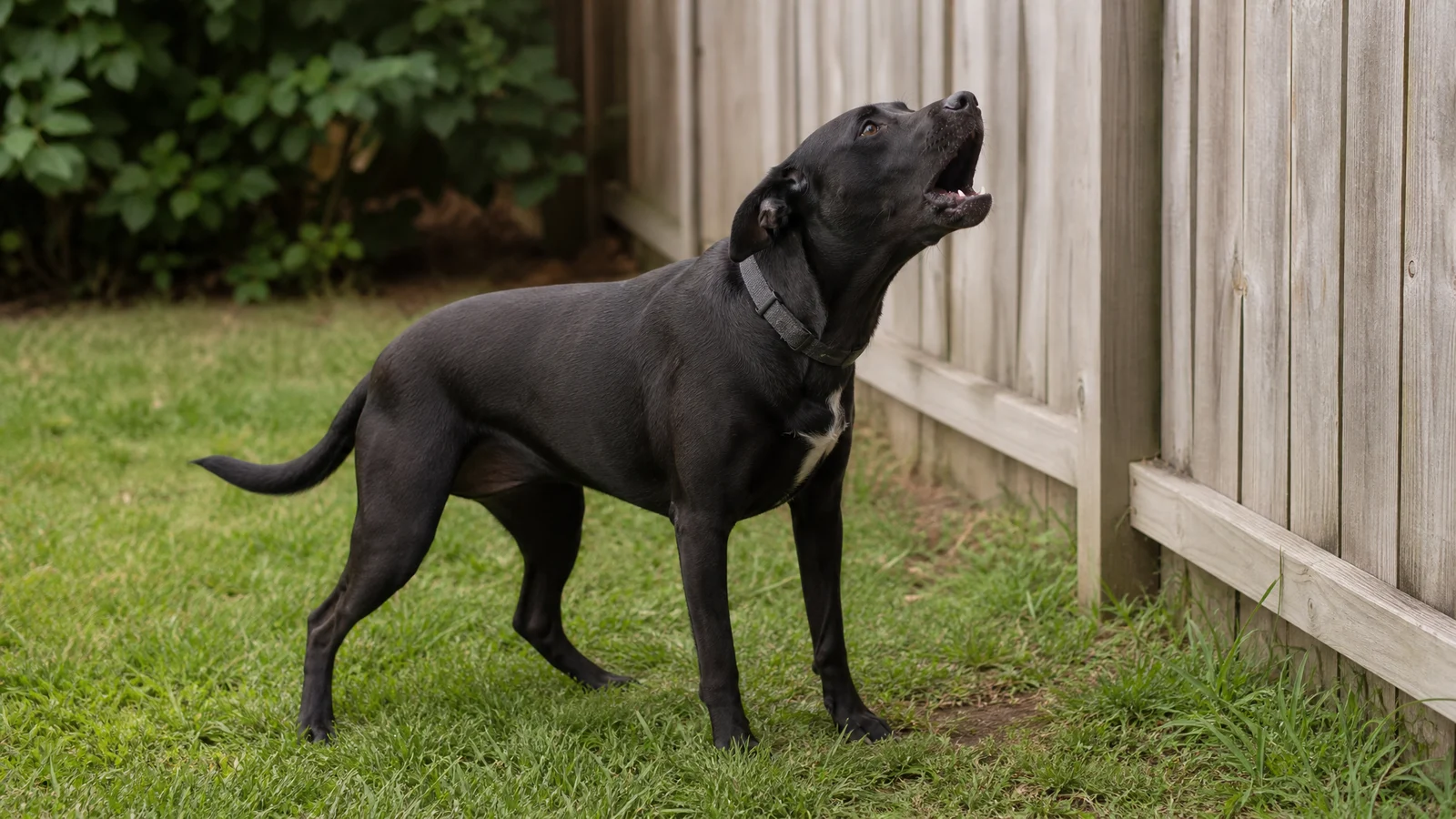
Expect a watchful dog and train for it. A puppy who notices a sound in the hall and barks once is doing what the breed was kept for. Acknowledge the alert, call them away from the door or window, and reward the move. Alert, then settle, is a more realistic goal than silence.
Teaching a Mountain Cur Puppy to Leave It
The first leave it lessons use a sock on the floor, not a squirrel. The puppy sniffs a treat in your closed hand, you wait, and the moment they back off you say your marker word and reward from the other hand. Starting with household items and plain treats means the skill is ready before prey drive shows. Prey interest varies from dog to dog, so begin early rather than waiting for a trigger to appear.
The breed is described as easily discouraged, or easily trained, to leave unwanted game. That is good news, and rewards are how you use it. The steps, in order:
- Closed hand: reward each time the puppy turns away from a treat in your fist.
- Open hand: show the treat on your palm and reward for looking at you instead.
- Floor items: drop a sock or a toy, reward for ignoring it, then release the puppy to something they may have.
- Moving items: roll a toy a short way and reward for waiting.
- Outdoors: practice on leash at a distance from birds and squirrels, rewarding every glance back at you.
Be realistic about the outdoors. Owners report that a small animal in view can override recall, and that squirrels are an overwhelming trigger for many dogs. Use a long line and secure fencing while the habit builds, and keep the puppy attached to you outdoors until recall holds up around those triggers. Our guide to Mountain Cur recall and leave it carries this work further, and the one on leash training a Mountain Cur covers walking past triggers.
Cats and other small pets need careful planning, since the breed may see them as prey. Owners with peaceful households usually describe separation at first, a slow warm-up, or a cat who was already there. Some dogs accept one cat and not another, and a few still need to chase now and then. Others will not share a home with a cat at all.
Impulse control gets harder in adolescence. What looks like stubbornness is often a young dog finding impulses hard to control. Leave it practiced early gives them a skill to lean on.
What Does One Full Puppy Day Look Like?
Here is the example puppy's day in the apartment, in order. It is built around short bursts of activity and long rests, because owners tie good behavior at home to a tired dog. Many also describe two modes: busy outdoors and around other dogs, mellow at home. Your job is to provide the first so the second can happen.
- Waking: straight out for a toilet trip, with quiet praise and a treat.
- Breakfast: a meal with bowl-visit games, or a puzzle feeder for part of it.
- Morning outing: a short walk or a bench session, with plenty of treats for calm looking.
- Nap: back in the pen with a chew and the door closed, for a long rest.
- Training: a few brief sessions on leave it, name response and handling, each ending on a win.
- Play: interactive games such as tug with you, which owners find work better than toys alone.
- Alone time: short and built up gradually, with the puppy fed, tired and holding a chew.
- Evening: time with the family, visitor practice if one is due, and a last outing.
- Bedtime: a final toilet trip, then the pen beside your bed.
Alone time deserves care. This breed does best with a lot of human contact, so teach separation in small steps. Step out for moments and return before the puppy worries.
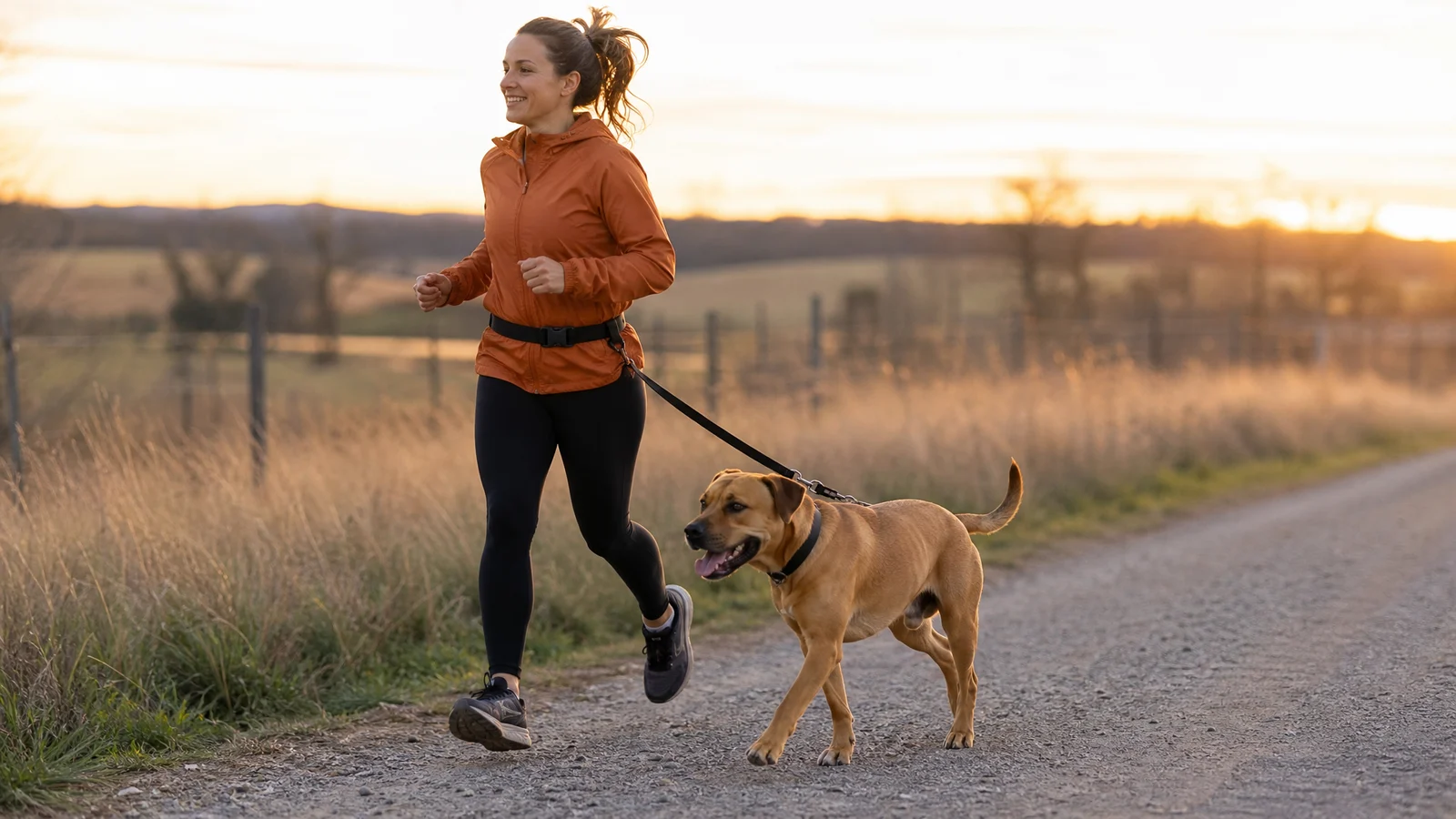
Adult owners report about an hour and a half to two hours of walks and play a day in pet homes, but a growing puppy's share should be guided by your vet. Appetite also varies from puppy to puppy, so bring up feeding amounts at your next visit.
Two Weeks of Puppy Work Starting Tomorrow
Our example puppy ends two weeks calmer, not perfect, and that is the right result. You can follow the same plan from tomorrow morning with one or two priorities each week.
- Week one: settle the sleep routine and the pen, and start bowl and chew trading from the very first meal.
- Week one: once your vet says outings are safe, add short, calm sightings of strangers from a distance.
- Week two: practice closed-hand and floor-item leave it every day, in short sessions.
- Week two: run one visitor practice with a settle spot and a chew, and book your vet visit if you have not yet.
Everything above comes back to what this breed is: watchful, smart and reserved, with traits that harden or soften depending on what happens now. Give them steady routines, kind hands near their things and calm introductions to the world, and a protective puppy grows into the loyal, settled dog who works with you. Our guide to Mountain Cur temperament explains where to go from here.
 BehaviorMountain Cur Barking and Whining: Loud, Quiet or Talkative
 BehaviorMountain Cur Behavior Problems and Where to Start
 Exercise and jobsMountain Cur Energy Level: How Much Exercise Is Enough?