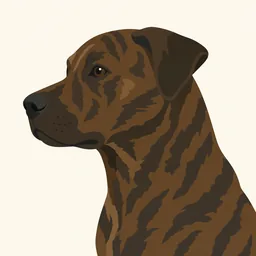
 Mountain Cur
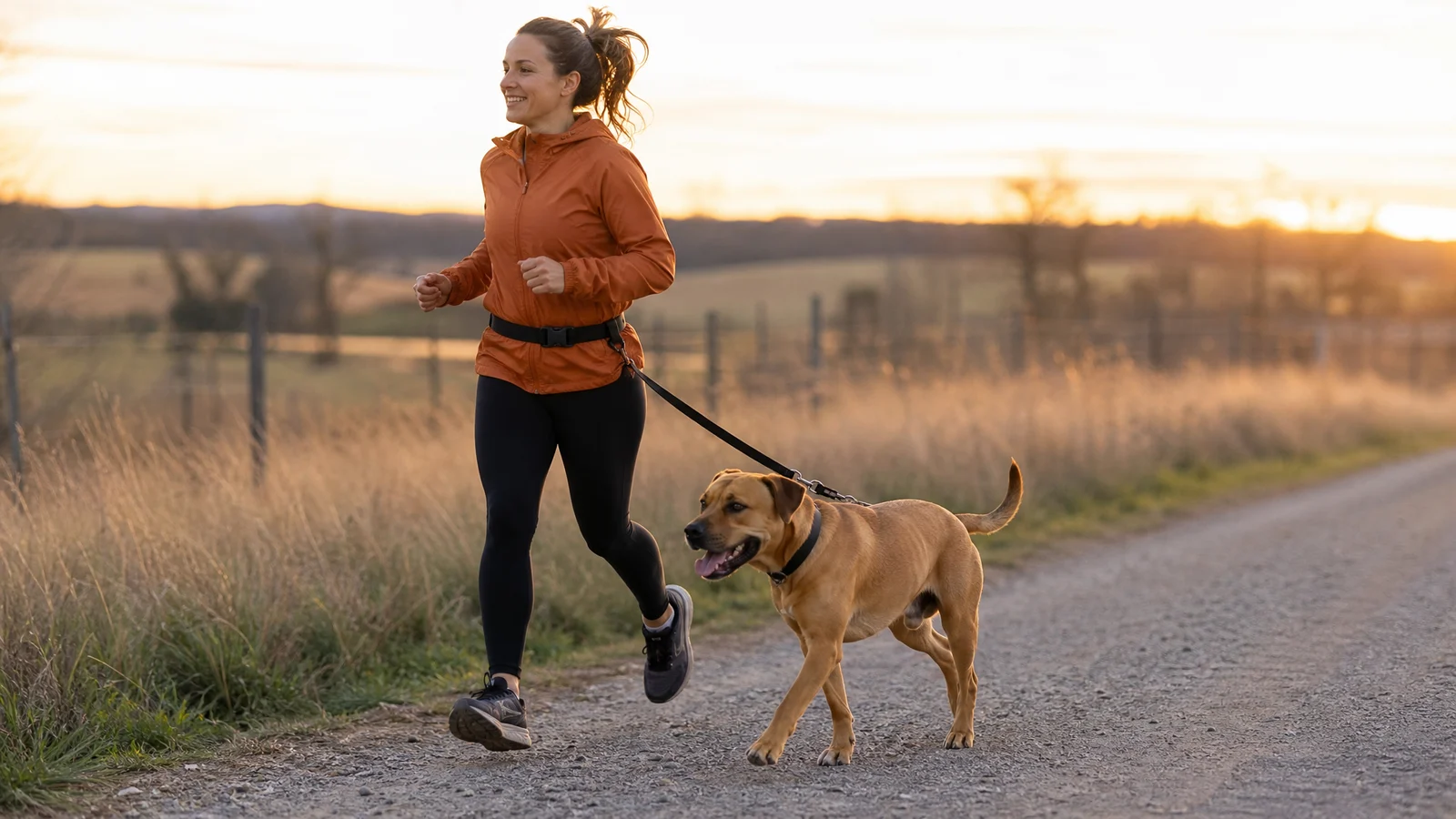
How much exercise does a Mountain Cur really need? The usual answer, a walk a day, was written for dogs who never had to follow a scent up a ridge and stay with the game until help arrived. For this breed it leaves them pacing the kitchen by midafternoon.
Owners who put a figure on it say about one and a half to two hours of walks and play, and they describe what happens below that: whining at you, strings of stress yawns, and zoomies across the couch after a single skipped walk. Get it right and the dog who tore across the yard sleeps hard on the rug.
This article looks at the working past behind that energy, the daily floor, the jobs that count toward it, the signs a day fell short, and the questions owners raise next. Read on to learn how to split the hours between walks, play and scent work for a dog who wants something to do.
Hunting Roots and Exercise
The Mountain Cur is a powerful, agile tree dog of medium size, built to find game, follow it and stay with it. Their legs are long enough to move quickly and with agility in rough terrain, so a steep, brushy hillside is ordinary ground. The standard describes a dog bred for stamina, presented in the hard, muscular condition of a working dog.
Searching is the heart of that job. This is a fast, hard hunter who runs a track with their head in the air, and when no hot track is available they circle and drift across a cold one until they find something worth following. That urge to go looking is built in, and it does not switch off because the dog now lives on a suburban street.
Owners describe how far the drive reaches physically: dogs who climb trees, face raccoons and become a different animal off leash in the woods. Hunting homes report far more exercise than pet homes do, which fits a working day measured in hours rather than laps around the block.
A pet home cannot copy a day in the timber and does not need to. Owners from hunting homes describe a dog who is intensely driven in the woods and then calm, even cuddly, at home, sleeping in the family bed or curled on the couch in old age. Several owners see the same two modes, tireless outdoors and around other dogs, mellow indoors. Your task is to earn the second mode by feeding the first.
Mountain Cur Exercise Needs
The breed's profile rates energy, mental stimulation needs and playfulness all 5 of 5, and the top of the stimulation scale reads "Needs a Job or Activity." Together those ratings describe a dog who wants to run, think and play. A pet home has to replace all three, not just the running.
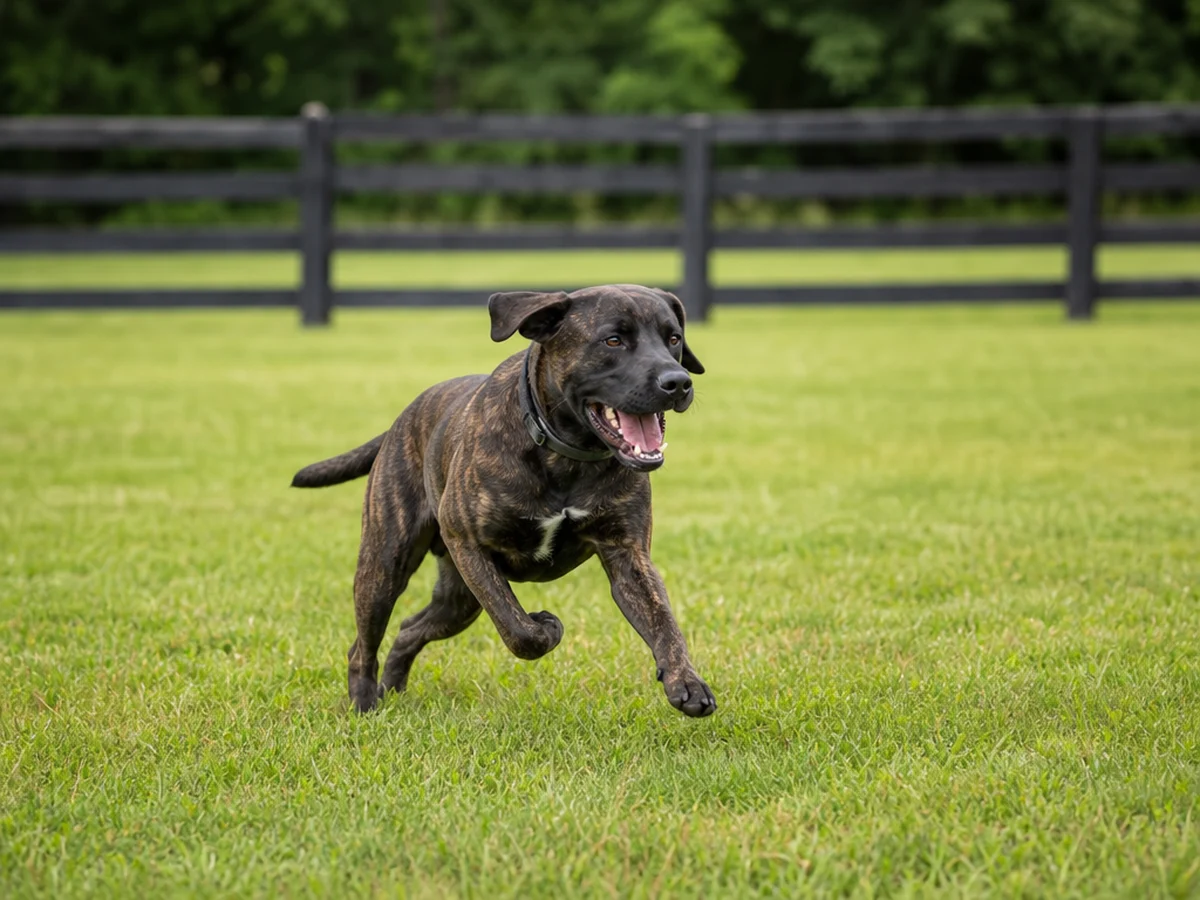
Owners reach for blunt words when one of the three goes unmet: hyper, too much energy, never slowing down. Dogs left without outlets for play, chasing and sniffing find their own entertainment, and it tends to show up as unwanted behaviors. For a breed that can work a track for hours, the home-made versions get inventive.
Mental work has a specific place in the plan. Training, puzzle games and new skills tire a dog in a way that miles alone cannot, but they complement physical exercise and do not replace it. A Mountain Cur who gets only brain games stays wound up, and one who gets only laps stays bored.
Owners also find that toys alone fall short. What works is interaction: wrestling with you, an agility course, a second dog to play with. Common advice says to leave a stuffed toy and head to work, and for this breed that is not an exercise plan, because they want company in the game as much as the game itself.
The Daily Exercise Floor
No breed standard gives a Mountain Cur exercise figure, so treat any number as a working estimate. We reviewed 57 Mountain Cur owners' first-hand accounts, and the owners who named a figure put the minimum for a pet home at about one and a half to two hours of walks and play a day. Hunting homes reported far more. Dogs vary, so read this as a floor to start from, not a rule.
General guidance points the same way: some dogs need an hour or two daily, and working breeds significantly more. A Mountain Cur is a working dog living a pet life, so the owner figure is a sensible place to begin and a poor place to stop if your dog is still asking for more.
Walks
Split the walking into several outings, because a dog who gets everything in one evening march spends the rest of the day scouting the house. Let the nose lead for part of each one. Sniff stops are real work for a scent-driven dog, and the same distance tires them far more when they can stop and investigate a fence line or a patch of leaves.
The breed's adaptability rating is a middling 3 of 5, which answers the apartment question honestly. Owners tie good behavior in an apartment, including no chewing, to a well-exercised dog. Square footage matters less than whether the exercise actually happens.
Play
Put real minutes of interactive play into the day, because the breed rates playfulness at the very top of the scale. Wrestling with you, agility practice and a playmate do more than a toy basket. If you add a second dog, introduce them with supervision, since the breed's rating with other dogs is only moderate.
Fetch splits owners. Some Mountain Curs are ball-obsessed, while others will not fetch at all and would rather tear up the cardboard and junk mail they are handed. If your dog shrugs at the ball, believe them and switch to chase games, tug or a sport instead of repeating a game they have already turned down.
Rest
The floor includes the recovery. Owners tie good manners at home to a tired dog: calm after the walks, sleeping after an agility run. Teach a settle on a mat and reward it generously once the hard part of the day is over, so the quiet mode gets as much practice as the busy one.
Age shifts the picture. Owners who give an age say their dog settled around two, though the oldest dogs range from lazy with bursts of energy to still full of zoomies well into their senior years. Puppies, adolescents and seniors each need their own amounts, so keep up regular vet visits and ask what is safe at each stage.
What a Mountain Cur Job Looks Like
A job is the center of a happy pet-home Mountain Cur, and a breed fancier writing on Showsight says that without some kind of job these dogs grow bored and destructive. The job does not have to involve game. It has to give your dog a task, a problem to solve and a reason to check in with you, and everything below counts toward the daily total.
Scent Games
Because searching is what this breed does best, scent games are the most natural job you can hand them. K9 Nose Work has the dog search out scents hidden indoors and outdoors, and newcomers start by hiding a favorite toy or treat in one of several boxes. Praise the find, then move the reward to a new room or a corner of the yard.
These games also give the roaming instinct a safe outlet. A dog who gets to search every day has a little less reason to go searching alone, and fencing or a long line covers the moments when the nose still wins.
Chase Games and Tricks
Pet-home owners channel the drive into chase games, and some owners use a remote-control toy plane in a fenced field. Anything that moves and invites pursuit can do the job, such as a toy dragged across the grass, as long as the area is secure.
Tricks and short courses cover the thinking side. They cost nothing, fit into spare moments, and suit a dog who is extremely smart and fond of having a job. Reward generously and stop while your dog is still eager.
Chores and Sports
Small household jobs suit this breed well. Owners have their Curs carry things in or help bring the other dogs in from the yard, and the standard notes that a Mountain Cur trains better with lots of human contact, so chores double as company and practice.
For a structured outlet, the breed is a great candidate for performance events. Curs have been titled in obedience, rally, agility, lure coursing, dock diving and weight pull, and several work as service dogs. Competition within the breed can be hard to find, but you do not need a crowd to enjoy a sport.
When Exercise Falls Short for a Mountain Cur
Below the floor, the breed's needs do not disappear. They come out sideways, and owners report the same patterns again and again. Each one points back to the same fix, which is more movement and more work, delivered before the trouble starts.
Destructiveness
Without long daily walks and mental exercise, these dogs may become bored and destructive. If your dog chewed the couch this week, boredom is a likely cause, so check the exercise log first.
Barking and Whining
This is a vocal breed, rated at the top of the scale, with a clear bark that carries a long distance, so boredom at a window becomes everyone's problem. Whining at the owner is one of the first signs people mention. Meet the need first, then reward quiet, and read Mountain Cur barking and whining for the full plan.
Escaping and Roaming
A dog bred to search will treat a gap in the fence or an open gate as an invitation. Owners describe a dog who becomes a different animal off leash in the woods, which is why secure yards and long lines matter for a scent-driven dog. A tired, occupied dog tests the fence far less than a bored one.
Warning Signs of Too Little Exercise
The early signs are small, and catching them lets you fix the day before the sofa pays for it. Under-exercise tends to look like this:
- Whining at you, often as you sit down for the evening, as if to point out that the day's work is unfinished.
- Boredom and stress yawns, the kind that come in strings while your dog watches you instead of settling.
- Zoomies on the couch or around the house, which owners report even after a single skipped walk.
- A dog who seems hyper everywhere, not just outdoors, which means the usual switch between busy and mellow has stopped working.
Respond by adding, not withholding. A longer walk with sniffing time, a search game or a good wrestling session usually does more than any other change, and rewarding your dog for settling afterward teaches the off-switch. If the zoomies follow a skipped walk, the fix is simply to bring that walk back.
Overdoing it is possible too. If your dog seems stiff, sore, reluctant to go out or limps after a big outing, scale back and talk to your vet. The goal is the hard, muscular condition the standard describes, built up steadily instead of in one heroic weekend.
Common Exercise Questions
Everything above comes down to one pairing: the daily floor of walks and play, plus a job that gives the nose and the mind real work. That combination is what keeps this dog settled. Consistency beats heroic Saturdays and idle weekdays, so choose a routine you can keep when the weather turns.
You may wonder whether training counts as exercise. It counts as work, and since the standard ties better training to plenty of contact with people, how to train a Mountain Cur is the natural next read. If you wonder how a dog so smart can also be so strong-willed, Mountain Cur temperament explains how that mix shapes what you ask of them.
The other common worry is what happens when the nose wins on a walk. Mountain Cur recall and leave it shows how to build a dependable come-back around scent. Some Mountain Curs have little hunting drive, so use your own dog as the guide: watch how they settle after a day of walks, play and work, and adjust from there.
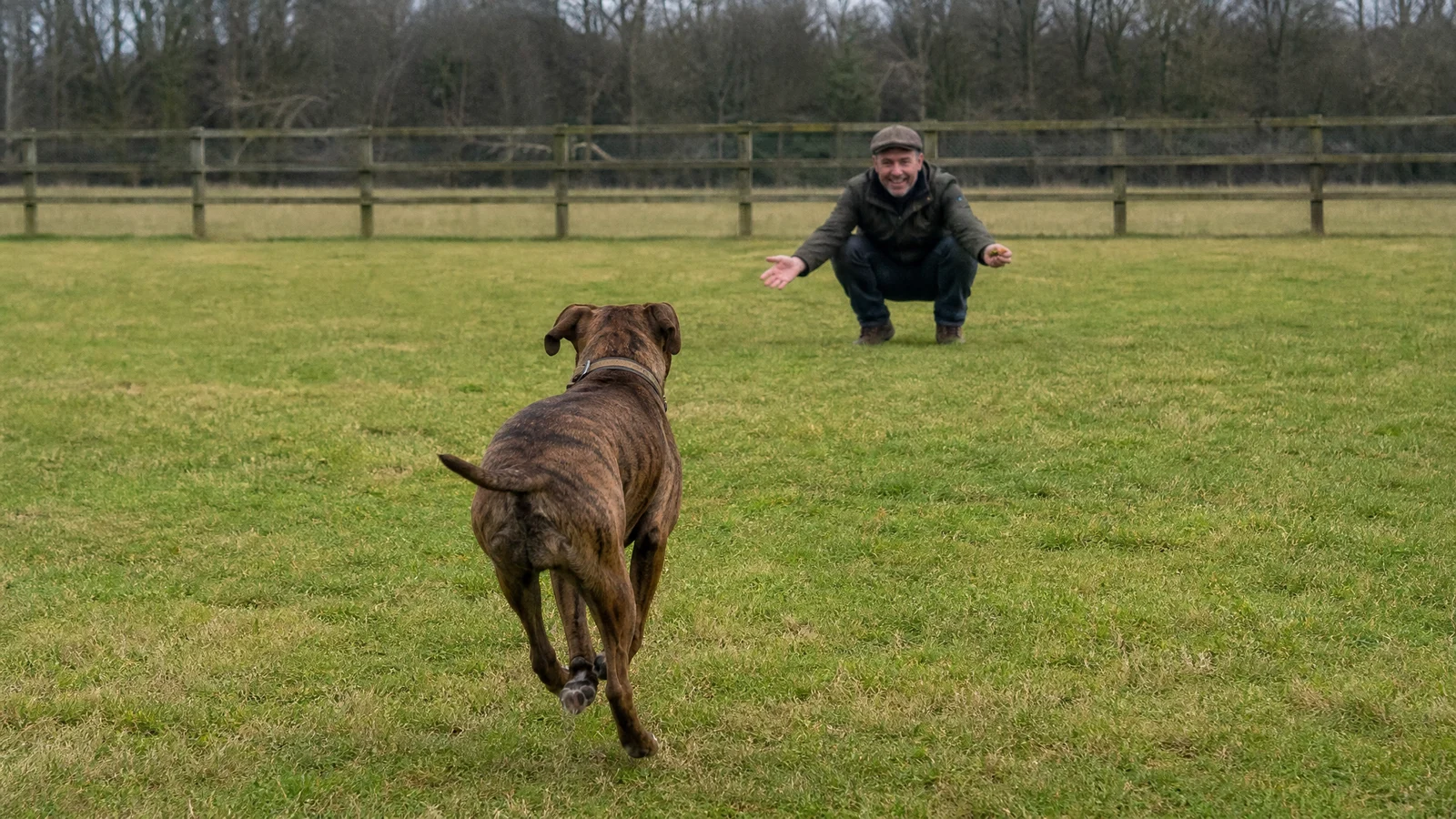 Training basicsMountain Cur Recall and Leave It: Training a Dog Built to Track
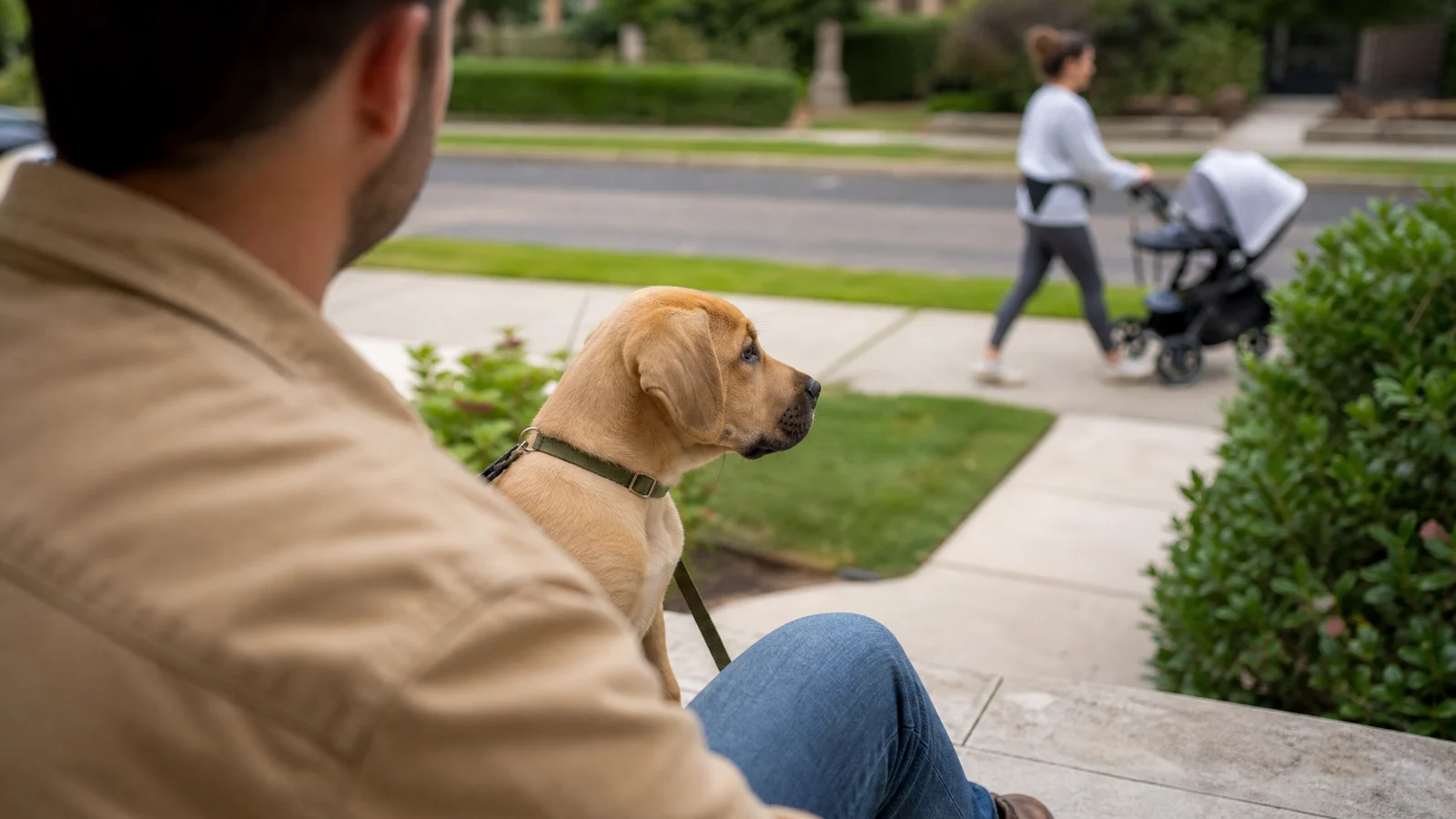 Puppy trainingSocializing a Mountain Cur Puppy
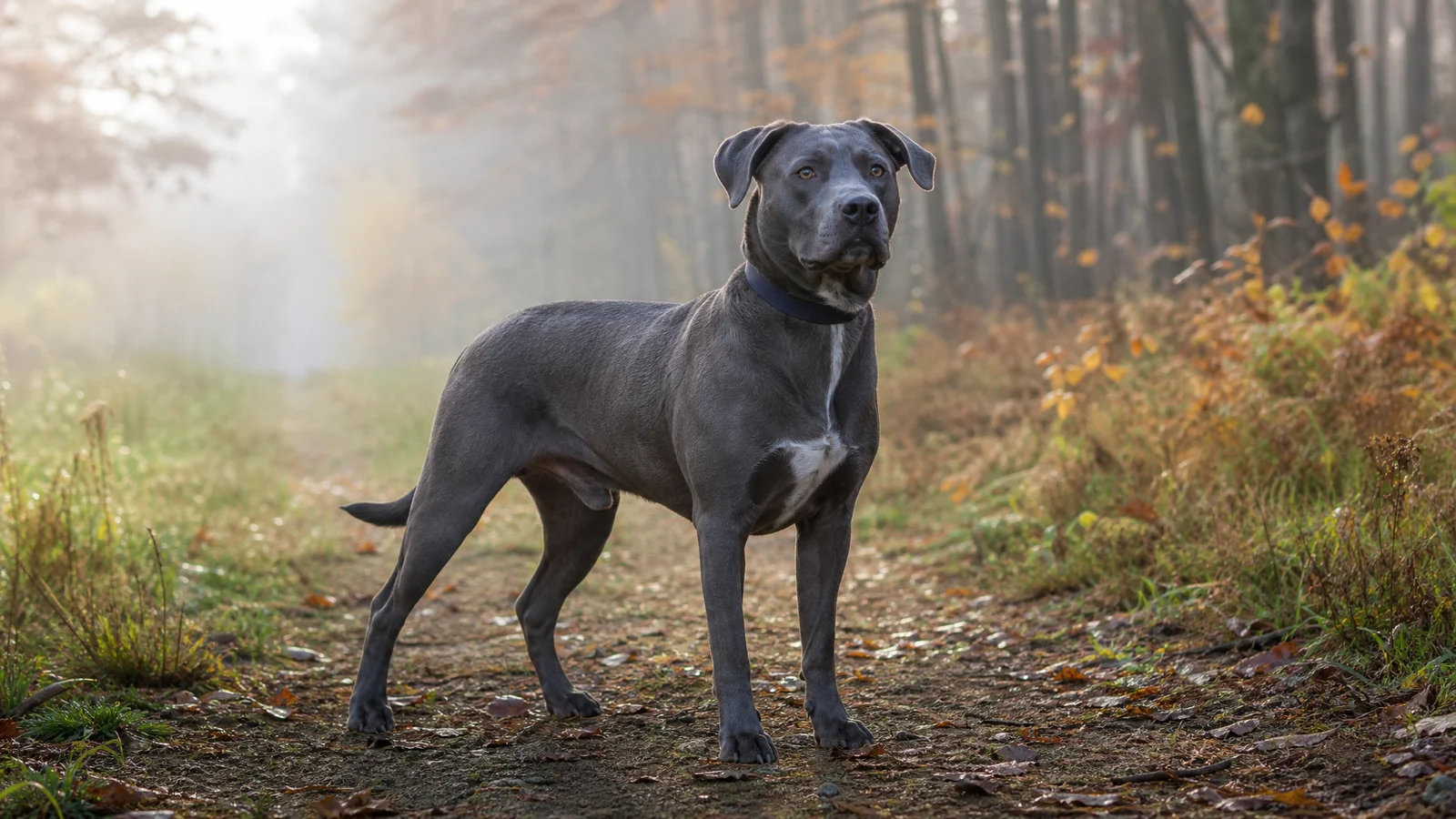 Training basicsMountain Cur Temperament: What It Means for Training