 Mountain Cur

Ordinary advice says to tire your dog out and be consistent. With a Mountain Cur, that falls short. They need a real job, supervision whenever you can't watch, and a plan for the wariness and chase instinct that generic advice skips. Smart, high-drive dogs without those things invent their own work, and the results land on your counters, your couch and your neighbors' ears.
Get it right and you live with a dog who works with their people and settles at home. In this article, we'll go through how your household routine sets the tone, what boredom and unsupervised hours produce, how reserve with strangers and chase instinct show up, and the early cues that tell you when to step in.
How Household Routine Shapes Mountain Cur Behavior
Start with the clock, because the day you build decides most of what you see. Energy, mental stimulation and playfulness all score at the top of the scale for this breed, and the standard wants a working dog in hard, muscular condition. Hunting homes report far more exercise than pet homes do.
Owners who give a figure put the pet-home floor at about one and a half to two hours of walks and play a day. Below it, they describe the same signs: whining at you, boredom and stress yawns, and zoomies on the couch after even one skipped walk. Read those as a report on the day, not as defiance.
Spread the hours out. A morning outing, a midday training or puzzle session and an evening of real play beat one long trudge. Interactive outlets work better than toys alone, so wrestle with your dog, try agility, or consider a second dog to play with. Fetch divides owners. Some dogs are ball-obsessed, and others would rather shred the ball.
Many owners describe two modes: busy outdoors and around other dogs, then mellow at home. Build your routine to earn that off switch. Our guide to Mountain Cur temperament covers the traits behind it.
Mountain Cur Behavior Turns Destructive Without a Job
Mountain Curs are working dogs, and fanciers are blunt about it: give them no kind of job and they become bored and destructive. Every dog needs outlets for play, sniffing, chewing and foraging. Dogs denied daily enrichment invent their own, and you rarely like the version they choose.
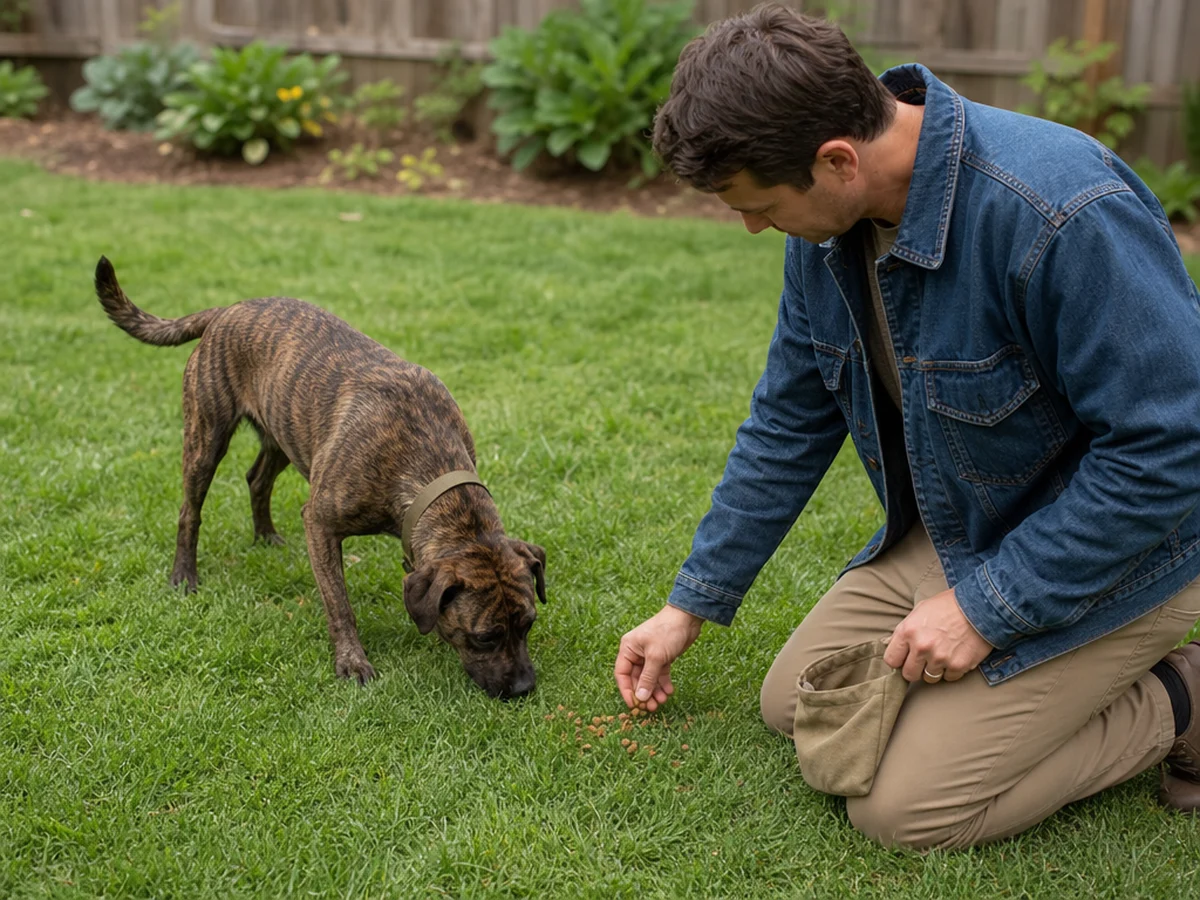
In this breed, the invented version can look like chewing forbidden items despite a basket of toys, lifting bread, ribs or steak off the counter, and whining at you for attention. A Mountain Cur responds best to lots of human contact, so a dog who spends the day ignored has even more reason to make their own fun. Keep counters clear, and reward leaving food alone every time they pass up something tempting.
Put a job in the day. These options suit homes that don't hunt:
- Pick a dog sport. Agility, rally, obedience and tracking all fit, and Curs have been titled in many sports, including lure coursing, dock diving and weight pull.
- Turn meals into work with puzzle feeders, so breakfast takes real effort.
- Run several brief training sessions through the day. A dog who picks up a complex task in one or two goes finishes quickly and wants more.
- Hand out chews a few at a time and rotate them so each one feels new.
Owners tie good manners at home to a dog who has been worked: no chewing even in an apartment, and deep sleep after an agility run. Tired and occupied beats merely tired.
What a Mountain Cur Does Left Unsupervised
This breed is extremely smart and will get into trouble given the chance, especially when nobody is watching. Treat that as a design brief for your house, not a character flaw. New dogs earn freedom in small steps, and you arrange each room so the good choice is the easy one.
Contain and Occupy
Puppy-proof before your dog arrives, and keep doing it for an adult who finds new targets. Clear counters of food, close doors, and put shoes and anything chewable out of reach. Use a crate or pen with a stuffed chew or puzzle feeder for the hours you can't watch.
Check collar and harness fit often. Owners report dogs slipping out of both and pulling hard, and a front-and-back harness with a dual leash is what finally worked for some.
Build Time Alone Gradually
Time alone is a skill, so teach it. Start with very brief absences, return before your dog gets worked up, and reward calm greetings. Lengthen the gaps slowly, because a breed that thrives on human contact finds long empty stretches hard.
Watch the windows and fence line too. Owners describe dogs who strain at the glass or climb the fence for squirrels, so limit the view when you're out and supervise yard time.
Mountain Cur Behavior Around Strangers and Small Pets
Two instincts shape how your dog meets the world beyond the family: reserve with outsiders and a strong response to small animals. Both are normal for the breed, and both respond to planning.
Strangers, Visitors and Watchfulness
Mountain Curs are normally wary of strangers and need heavy socialization, which means calm, positive exposure and never forced greetings. Treat visitors as a management plan: a place to settle, treats for calm behavior, and supervision with anyone who doesn't live in the home. These dogs also tolerate rude handling poorly, such as ear pulling or pushy dogs.
The breed was kept as a watchful partner for family and livestock, and on their own territory they protect their resources and family. So start trading games and food-bowl and chew work in puppyhood. Don't try to erase alerting. Acknowledge the alert, then reward your dog for leaving the door or fence.
Barking runs high, and the bark is clear enough to carry a long distance. Meet the exercise and job needs, manage window and fence triggers, and reward quiet. Individuals differ, so judge your own dog. With young children, keep play outdoors and the house calm, since owners report jumping at newborns and toddlers.
Cats, Squirrels and Other Small Animals
The breed may see small pets, such as cats, as prey, yet many owners report a Cur who sleeps curled up with the household cat. That usually follows a spell of separation, a slow warm-up, or a cat who was there first. Tolerance can be conditional: one cat accepted and another not, or only when everyone is asleep. Some dogs still need to chase now and then, without hurting the cat.
Squirrels are the bigger test. Owners say the word, a picture or a smell can set a dog off, and a small animal in view overrides recall. Build recall and a reward-based leave it from the start. The encouraging part is that the breed is easily trained to leave unwanted game. Until that skill is solid, rely on a long line and fencing, and don't count on off-leash reliability.
Reading One Mountain Cur's Behavior Patterns
Every dog mixes these patterns differently, so watch yours before you fix anything. Personalities vary even within a single home, with some Curs staying inches from you and others acting cat-like and wanting attention on their own terms.
Keep a log for a week using these steps:
- Note the time, place and what happened just before each problem, such as a chew, a bark or a refusal to come.
- Write the day's exercise and training next to it. Clusters on thin days point to boredom.
- Mark anything tied to a trigger: a squirrel, a storm, a visitor or a found food item.
- Record what your dog did in the minute after, which shows what they wanted: attention, the item or escape.
- Book a vet visit if a change came on suddenly, because a vet first rules out health problems before anyone calls it behavior.
This is general information, not medical advice. If your dog's behavior changes suddenly, or you are weighing medication, supplements or a calming product, check with your veterinarian first.
Then sort what you saw. Owners describe a dog who learns a task in one or two repetitions yet needs their name repeated, climbs where forbidden and cuddles only on their own terms. That is intelligence with opinions, and our piece on how trainable Mountain Curs are digs into it.
Fear has its own signature: storms, snap fireworks or a gurgling drain, sometimes in a dog unbothered by gunfire, plus lasting dislike of the vet, the car and nail trims. Thundershirts and calming collars alone rarely did enough. A blanket helped some dogs, as did a hiding place allowed only while it was actively thundering. See training a sensitive Mountain Cur for the praise and calm-voice approach.
Early Warning Signs Before Behavior Trouble Escalates
Trouble rarely arrives without notice. Catch these cues and you can usually change the situation instead of repairing a habit:
- Whining at you, stress yawns or sudden zoomies in the house mean the day's exercise or work came up short, so add a walk or a training session now.
- Straining at a window or fence toward a squirrel means the trigger is about to win, so move your dog away and reward them for turning to you.
- Fixation on a found food item or a chew, especially with another dog nearby, calls for a calm trade and a treat, not a tug of war.
- Ignoring recall with a small animal in view means you are past what current training can handle, so clip on the long line or end the off-leash session.
- Seeking cover as weather builds means you should start the comfort routine before the first thunder.
Step in early with calm and a clear plan. Reward-based training doesn't mean a dog may do whatever they like. Mountain Curs do well when they are given structure, routine and guidelines, and that teaching works best when fear and pain play no part. A timid dog often needs no more than a look or a soft word.
Some owners see aggression toward particular dogs, even when the same dog plays well with others otherwise. Treat that as a reason to get professional help early. Look for a board-certified veterinary behaviorist, since trainers and others can use the word "behaviorist" without that education. To lower the risk of guarding, practice trading games and calm food-bowl and chew work, and keep found food items and other dogs apart when tension shows up.
What Mountain Cur Behavior Looks Like Long Term
Expect change, but not a different dog. Where owners give an age, their dogs settled after about two, though the range is wide. Some of the oldest are lazy with bursts, and others are still full of zoomies well into their senior years.
What stays is the drive and the reserve. Your dog will still scan the window for squirrels, still read strangers carefully and still want a task. Thunder fear can linger even after years of slow, gentle work built on constant praise for normal dog behavior. Some adults become the most chill dogs their owners have known, so stay open to surprises in either direction.
With work, supervision and steady habits, problem behavior mostly eases as your dog matures. Keep the exercise floor, keep the job, keep management in place for rooms, windows and doors, and schedule regular vet visits so health changes get caught before they look like misbehavior. Years of that routine reward you with the companion this breed is known for: smart, loyal and at their best when a solid bond is formed.
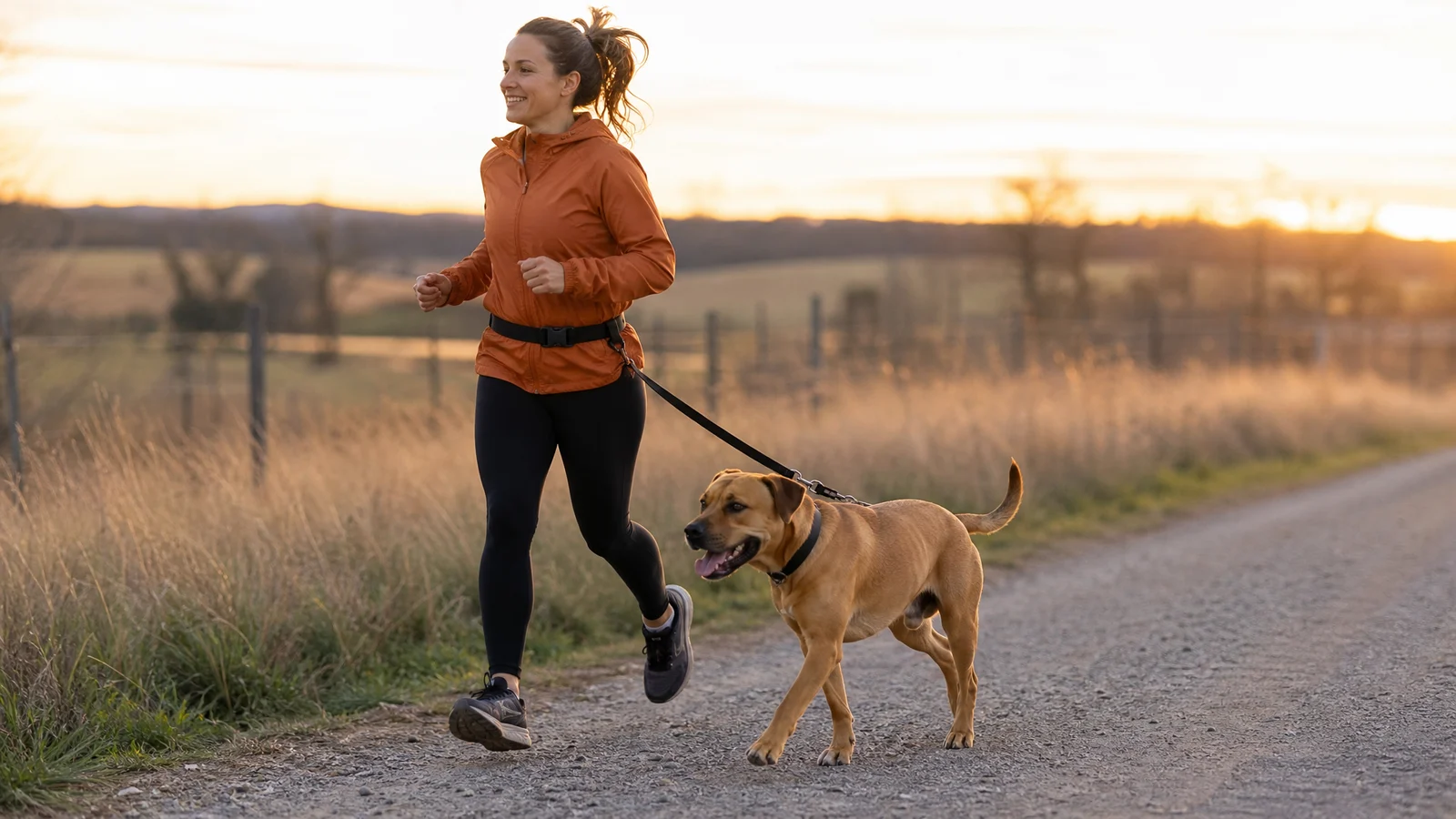 Exercise and jobsMountain Cur Energy Level: How Much Exercise Is Enough?
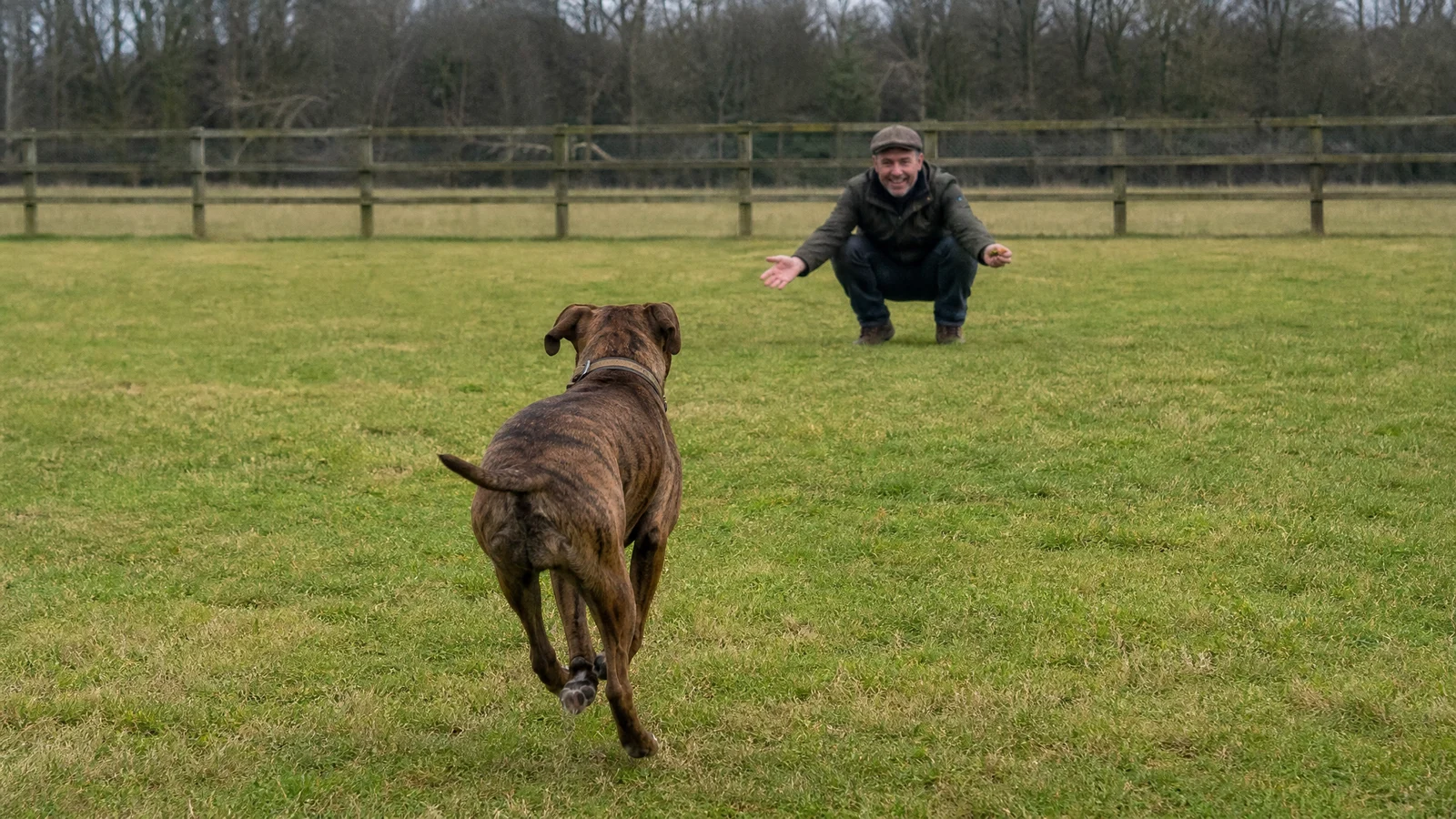 Training basicsMountain Cur Recall and Leave It: Training a Dog Built to Track
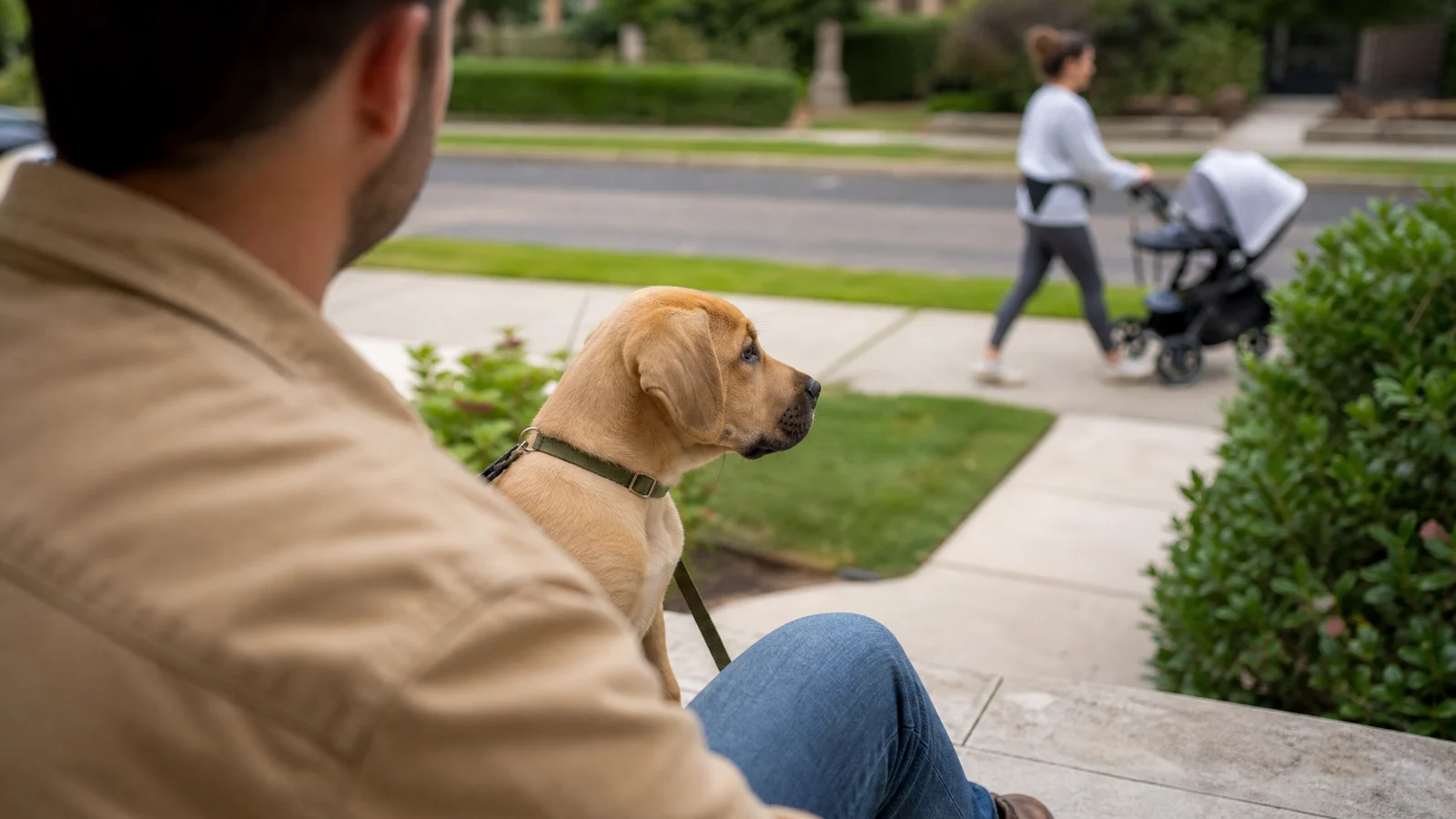 Puppy trainingSocializing a Mountain Cur Puppy