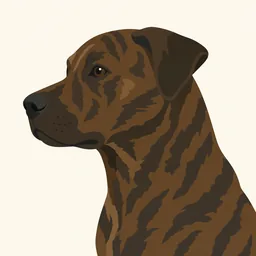
 Mountain Cur
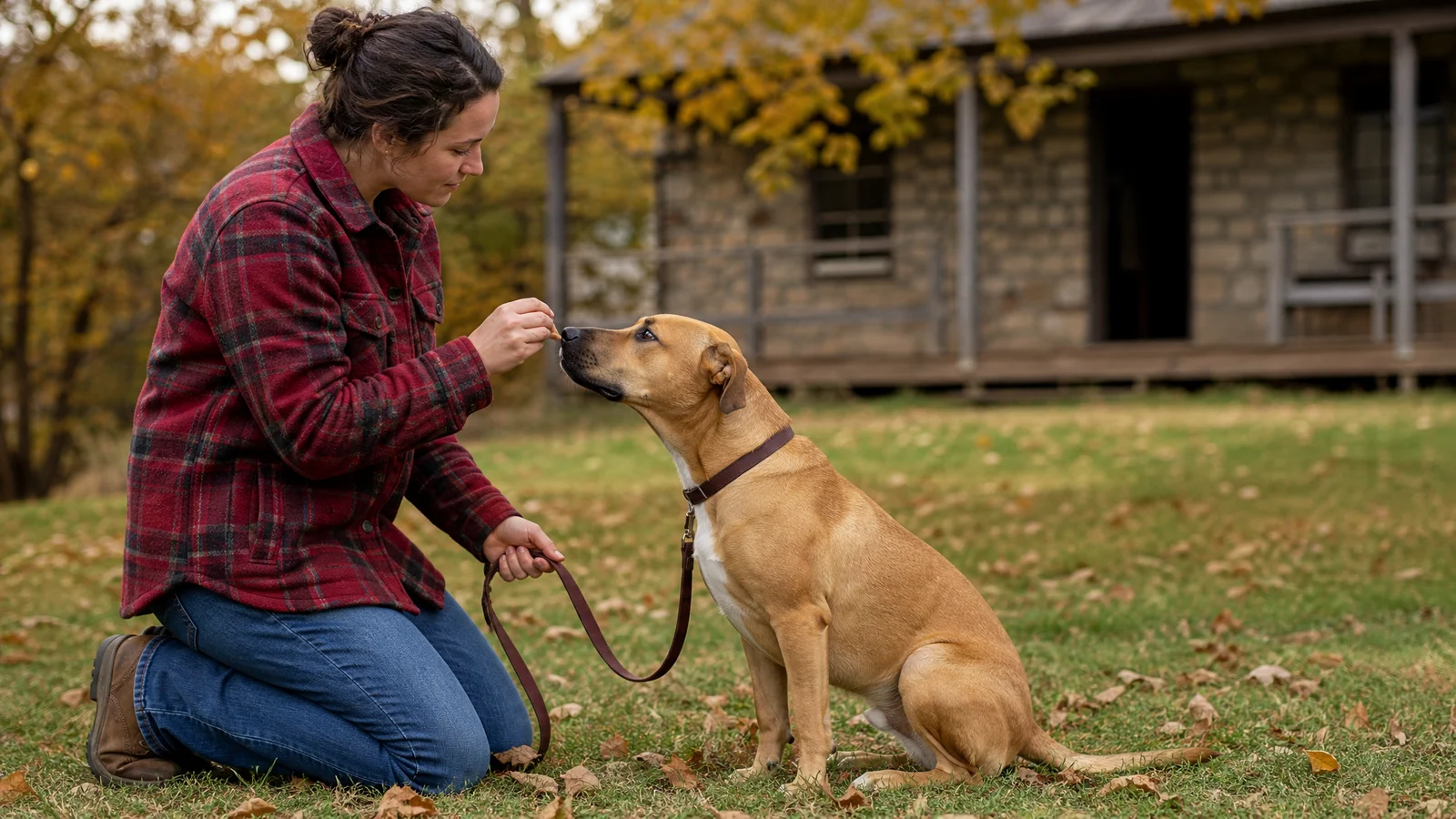
The breed standard calls the Mountain Cur intelligent with a strong desire to please, and the breed's trainability rating sits at the very top of its scale. Take that at face value and you would expect a dog who needs a treat pouch and a free weekend. Owners tell a more mixed story. Among the 57 Mountain Cur owners we reviewed, many describe a dog who learns a complex task in one or two goes and then ignores their own name for the rest of the afternoon.
That gap matters because a clever dog who has learned how much of you to listen to is harder to fix than a slow one. Get the early months right and you get a working partner who stays sharp for a decade or more.
In this article, we'll go through the job behind the breed, the clash between the written descriptions, what intelligence looks like in your kitchen, and how training should shift as the dog grows up.
Training a Treeing Dog Built for Distance
Most training questions trace back to the original job. The Mountain Cur is a hunting dog with a good treeing instinct, described as courageous and extremely intelligent, and that work happens at a distance from the handler. A dog doing it follows a scent, makes decisions alone and holds a spot until people catch up. That kind of work rewards a dog who decides things, not one who waits politely for instructions.
Breed accounts call them super-athletic, high-energy, high-drive working dogs, and the ratings agree: energy and mental stimulation needs both sit at 5 of 5, the second described as a dog who needs a job or activity. Add a nose with opinions and you have the engine under every training question. Your attention is constantly being weighed against everything else on the property that smells interesting.
The same background explains why these dogs are not simply aloof. The standard says a Mountain Cur is easily discouraged from tracking unwanted game, and one breed fancier describes a dog who works with their people and does best when a solid bond is formed. So you are living with a dog bred to work away from you who also wants to work with you. That is the breed, not a flaw in your particular dog.
Where UKC and AKC Mountain Cur Trainability Disagree
Lay the written descriptions side by side and they pull in different directions. The standard calls the breed intelligent, with a strong desire to please, and adds that these dogs respond better to training with lots of human contact. The trainability score is a 5 of 5, labeled Eager to Please, the top of the scale.
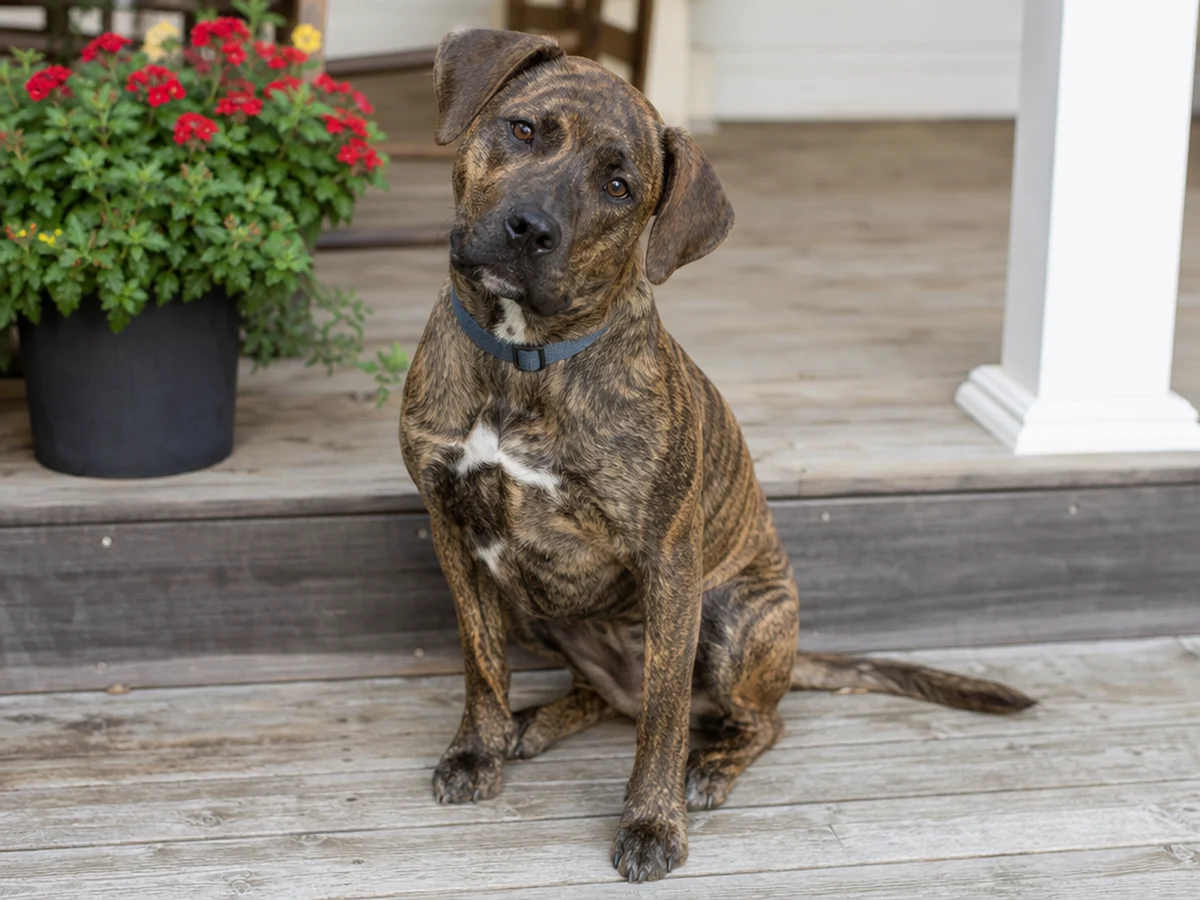
Then the same breed page says some may be difficult to train while others are more agreeable, and its temperament line includes strong-willed. A breed fancier writes that as working dogs they can be stubborn. Even warm owner praise in a breed profile tends to come with the word attached.
We are not going to crown a winner, because the sources are describing the same animal from different angles. Read together they describe a very smart breed that is keen to work with people, with individual dogs landing at different points between eager and hardheaded. You will not know where yours sits until you live with them. Plan for both ends: short sessions, rewards your dog truly wants, and plenty of time together.
Smart and Stubborn Mountain Curs in Training
Owners describe both within the same hour. A dog picks up a complex task in one or two goes, then needs the name said again and again before they glance over. Others climb onto furniture that is off limits, or turn up for cuddles strictly on their own schedule, a little like a cat. Many owners say training this breed felt different from other dogs they had owned.
Here is how we read it. A dog developed to work alone on a scent has quick intelligence and a habit of ranking whatever is going on around them. When your request ranks first, you get the learns-in-two-tries dog. When it ranks second, behind a smell or a squirrel, you get the hardheaded one. Same dog, same ability, different priority in that moment.
Recall is where the ranking shows most. Owners name it as the weak spot: a dog who knows nearly every other cue and still will not come, and many who ignore their people off leash, above all with a small animal in view. The breed may also see small pets such as cats as prey, which makes that the hardest moment to win.
The usual reaction is to repeat the name until the dog responds, and we would drop that habit. Said over and over, a name becomes background noise for a dog already inclined to tune it out. Say it once, give a beat, and pay the moment your dog turns toward you. If nothing happens, close the distance and make the next try easier instead of louder. Our guide to Mountain Cur behavior problems and where to start covers cases where that is not enough.
Mountain Cur Intelligence Means Problem-Solving, Not Obedience
Obedience means doing what you asked. Problem-solving means working out what works for the dog, and a Mountain Cur is far better at the second. Breed accounts say these dogs are extremely smart and will get into trouble given the chance, especially when left unsupervised. Owners back that up with reports of determined theft of bread, ribs and steak from counters, which makes a cleared counter a management matter.
Gear gets the same treatment. Owners describe dogs who slip out of collars and harnesses and pull hard, so secure, well-fitted gear matters from the first walk. Gates, latches and routines are puzzles too. Your dog learns when you leave, which cupboard you forget to close and which family member gives in to begging, then runs the numbers.
Chewing deserves a closer look. Owners describe dogs chewing forbidden things despite a pile of toys, and they link it to the dog feeling ignored or annoyed rather than to a shortage of things to gnaw. That fits a breed that needs a job. Another rope toy misses the point, while a real session with you before you leave the room does more. Our piece on Mountain Cur boredom and destructive behavior goes into the routine.
Management therefore carries as much weight as training. Crate or pen time, puzzle feeders, a cleared counter and supervision stop your dog from rehearsing habits you do not want while the ones you do want are still being built. Reward the choices you like, because a dog this bright is learning from everything that happens, whether or not you call it a lesson.
How Training Changes as Your Mountain Cur Grows Up
No source gives a firm calendar for this breed, and dogs vary, so read these stages as a rough order rather than a schedule. The puppy stage is mostly about shaping the adult. Early socialization is key, and because the breed sits at the reserved end of the scale with strangers, the aim is calm tolerance of new people, not friendliness to everyone. Trading games and food-bowl work belong here too, since the breed can be protective of its resources.
The young dog brings the busy middle stretch. Owners report counter theft, gear escapes, strong pulling and, in homes with a newborn or toddlers, jumping on the smallest people. With young children around, keep play calm and manage the dog's excitement before it spills over. A clear routine and plenty of outlets earn their keep now, and Mountain Curs and Kids covers training the dog and the children together.
What improves tends to improve gradually. Consistent routines and steady management help good habits such as housetraining hold up as the dog grows. Responsiveness grows out of relationship, since the standard says these dogs respond better with lots of human contact. A dog who spends their days doing things with you has far more reason to offer attention than one left waiting in the yard.
Do not expect the independence to vanish. As a cue becomes familiar, thin the treats gradually and lean more on praise, a calm voice and life rewards, still paying well now and then so the behavior stays worth doing. The thinking never stops, it just points more often in your direction.
Shaping Training Around the Dog's Own Drive
Turn the mechanism into choices. Because these dogs love a job, make the reward something they want: a game, a scatter of treats in the grass for that nose to find, warm praise or a turn at something they enjoy. Owners say these dogs respond to praise, a calm voice and an offered alternative to the unwanted behavior, and that a timid dog may need nothing more than a look or a soft word. Harshness, owners add, damages a trust that does not come back.
Personality changes the currency. Owners describe clingy dogs who stay inches away and cat-like dogs who want attention on their own terms, sometimes within one home. The clingy one may work happily for your company while the aloof one prefers food or a game. Watch what your dog works hardest to get, and spend that. A session that suits this breed tends to run like this:
- Choose the reward before you start, based on what your dog has worked hardest for lately.
- Ask once, wait a beat, and pay the instant your dog turns toward you.
- Finish after a few clean successes, while your dog still wants more.
- Change the room, the order of cues or the reward next time, because a quick learner gets bored by identical rounds.
- End on one new trick so the session closes on something fresh.
One UK welfare charity says all training should be reward based, because paying for a behavior makes it more likely to return. Veterinary behavior specialists add that reward-based training does not mean anything goes. For a dog who ranks your requests, that means clear house rules, paid for generously and applied the same way by everyone at home.
The fancier we mentioned advises working with a professional trainer, and for a stubborn working dog we agree, as long as the trainer uses rewards. Ask what they pay your dog with before you ask anything else. The ceiling is high: these dogs are trainable enough to become therapy dogs and excel in dog sports. Our full walkthrough, How to Train a Mountain Cur, covers the cues step by step.
Regular vet visits belong in the routine too, so a sudden dip in energy or focus gets checked rather than blamed on attitude.
This article is general information, not medical advice. If your dog's behavior, appetite or energy changes suddenly, or before you change their diet or exercise plan, check with your veterinarian.
Living With a Mountain Cur Who Keeps Thinking for Years
Expect the intelligence and the independent streak to last for life. A grown Cur will still weigh your request against everything else on offer, only with a better record of choosing you. Recall near small animals is likely to stay a management matter, so keep the long line, the fenced yard and the closed gate long after the dog seems reliable.
The watchful side stays too. Curs are reserved with strangers and can be very protective of their family and home, so visitors remain a plan: a place to settle, treats for calm behavior and supervision with anyone who does not live in the house.
That is why the payoff comes from steady, ongoing engagement, not a one-time training phase. The dog who picks up a task in one or two tries will keep picking things up for years, and will keep finding gaps in the household rules if you stop showing up. Keep sessions short and varied, pay in a currency your dog wants, spend real time together and keep the job list full.
Do that and you get what the standard promised: a smart dog who wants to work with you, on their own terms at first and more and more on yours.
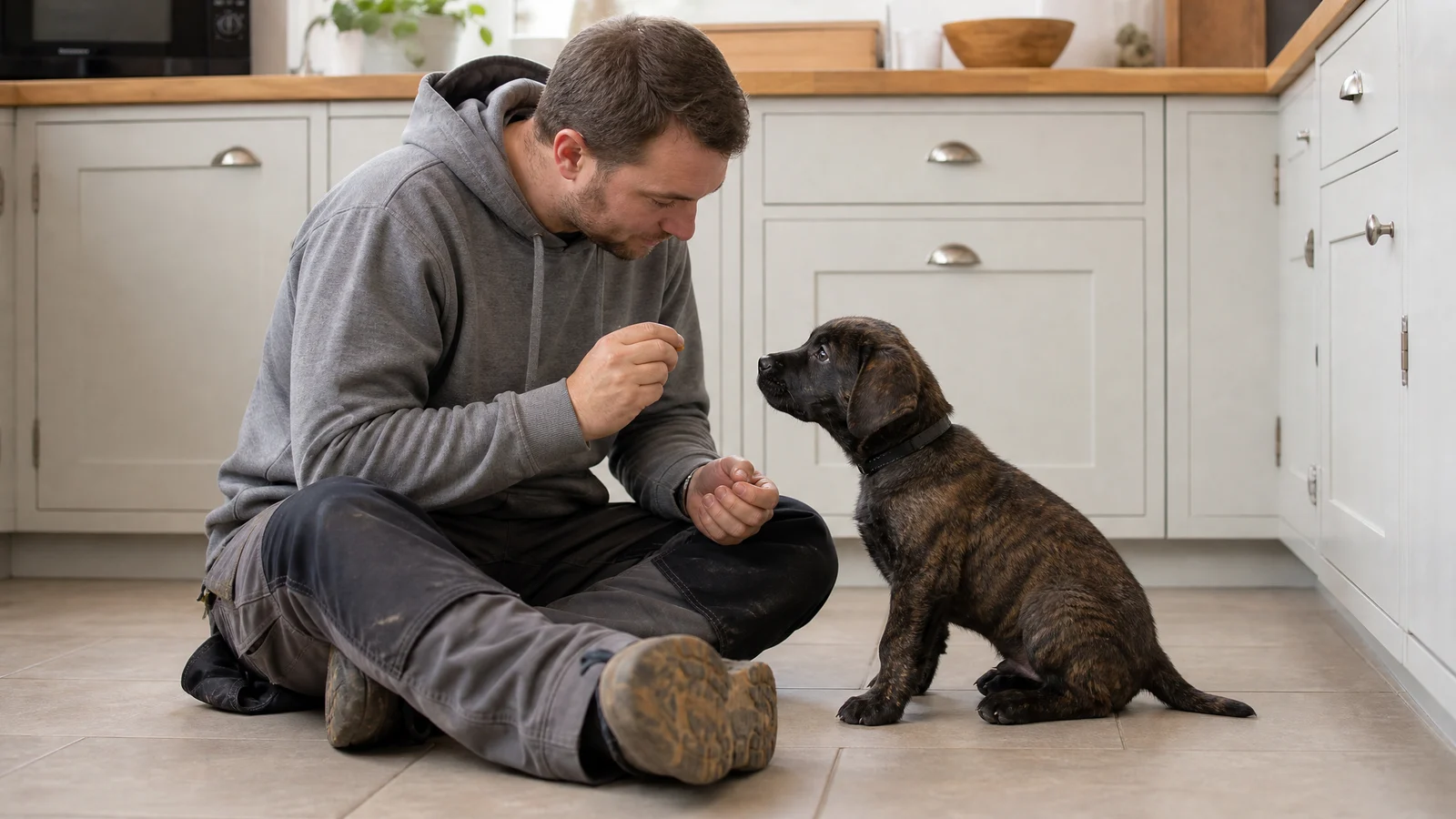 Puppy trainingHow to Train a Mountain Cur Puppy: The First Months
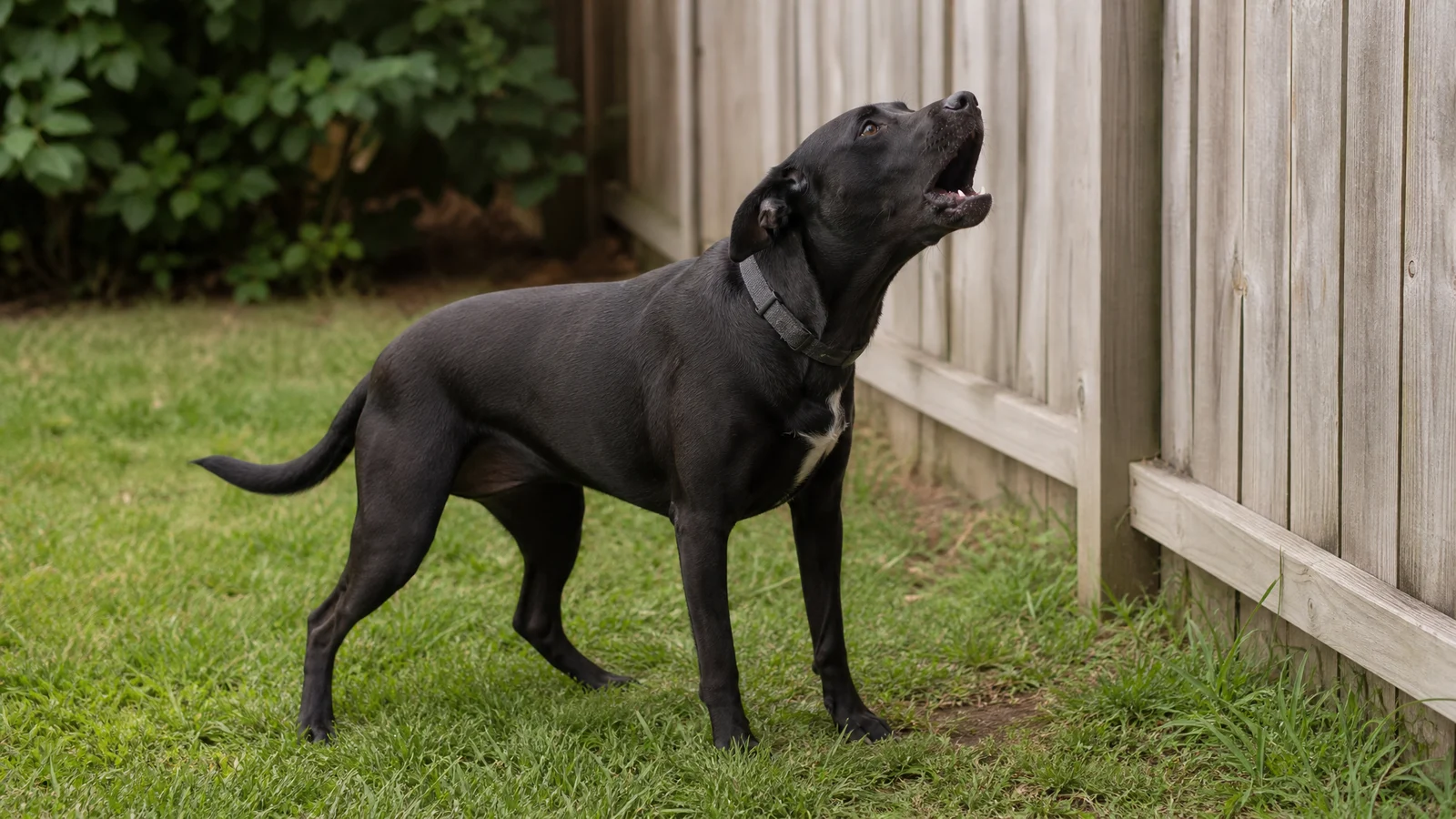 BehaviorMountain Cur Barking and Whining: Loud, Quiet or Talkative
 BehaviorMountain Cur Behavior Problems and Where to Start