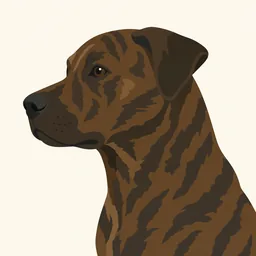
 Mountain Cur
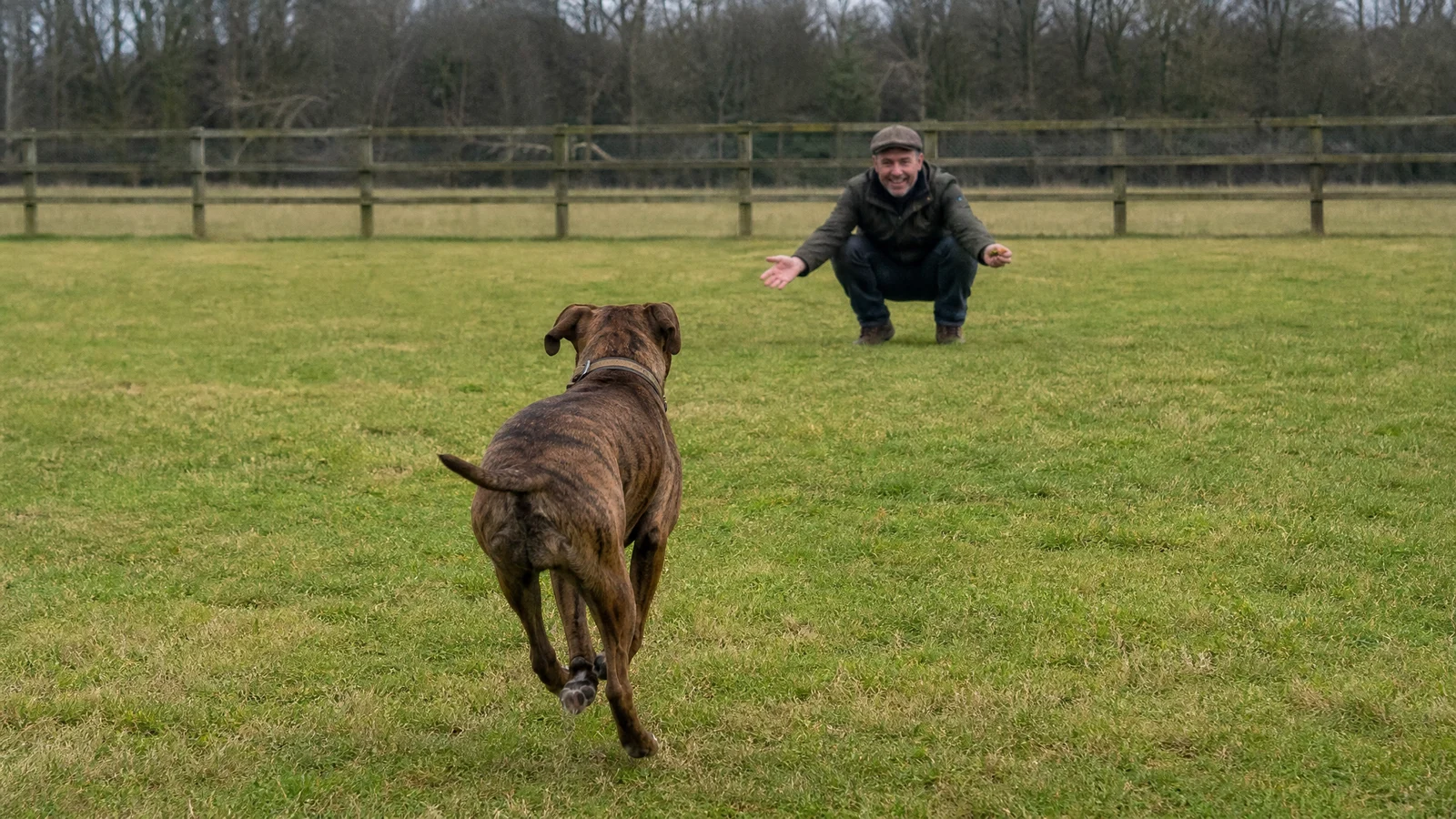
Recall and leave it can start within days of your Mountain Cur coming home, and both should hold around scent well before adolescence turns the nose into the loudest voice in the room. Planning the months ahead matters because the UKC standard describes a fast, hard hunter that runs the track head-up, and a dog built that way does not pause to reconsider when a good scent crosses the path.
Owners name recall as the weak spot, even with dogs who know nearly every other cue, and a squirrel in view tends to erase the habit. Handled badly, that means a dog on the wrong side of a fence or a road. Handled patiently, it means a dog who earns a little more freedom each season. Read on for when to start, which reward and word to use, how to run a long line, how to teach leave it around small animals, and how to decide where freedom is safe.
Starting Recall the Week Your Mountain Cur Puppy Arrives
There is no "ready" age to wait for. A new puppy already wants to be near you, and that pull is the raw material of recall. What changes over the coming months is the competition, so it helps to plan in stages instead of hoping the habit sticks by itself.
- In the first week, practice indoors in a quiet room, calling from a few steps away and paying every single arrival.
- Over the following weeks, widen the setting gradually: another room, the hallway, then a secure yard with nothing interesting in it.
- As the nose wakes up, add scent and movement on a long line, and pay more whenever the distraction is stronger.
- Through adolescence, expect recall to wobble and slip back a step or two. Treat that as a normal stage and shorten the distance instead of pushing harder.
Mountain Curs are very smart, and some owners describe a dog who picks up a new task in one or two repetitions. That cuts both ways. A puppy who quickly learns that coming pays also learns just as quickly that ignoring you costs nothing, so never call when you cannot back the cue with a reward or walk over to help the answer along.
We reviewed 57 Mountain Cur owners' first-hand accounts.
Building the habit slowly in the first months is far easier than repairing it later, because a puppy has not yet found out how interesting the world smells. Recall also sits alongside house manners, handling and socialization in those early weeks, so keep it light and let it share the day with the other lessons.
Keep each session to a handful of repetitions and end while your puppy is still keen. Several short rounds spread through a day teach more than one long drill, and they keep the word associated with good news.
The choice: begin at home in the first week, indoors and quiet, with sessions short enough that your puppy leaves wanting more.
Choosing a Recall Reward That Beats a Scent Trail
A reward has to compete with what the nose is offering, and for a dog bred to circle and drift until a hot track turns up, that is a serious competitor. The recall reward should be something the dog really wants and does not get all the time, ideally used only for recall. For this breed, that rules out whatever sits in the bowl at every meal.
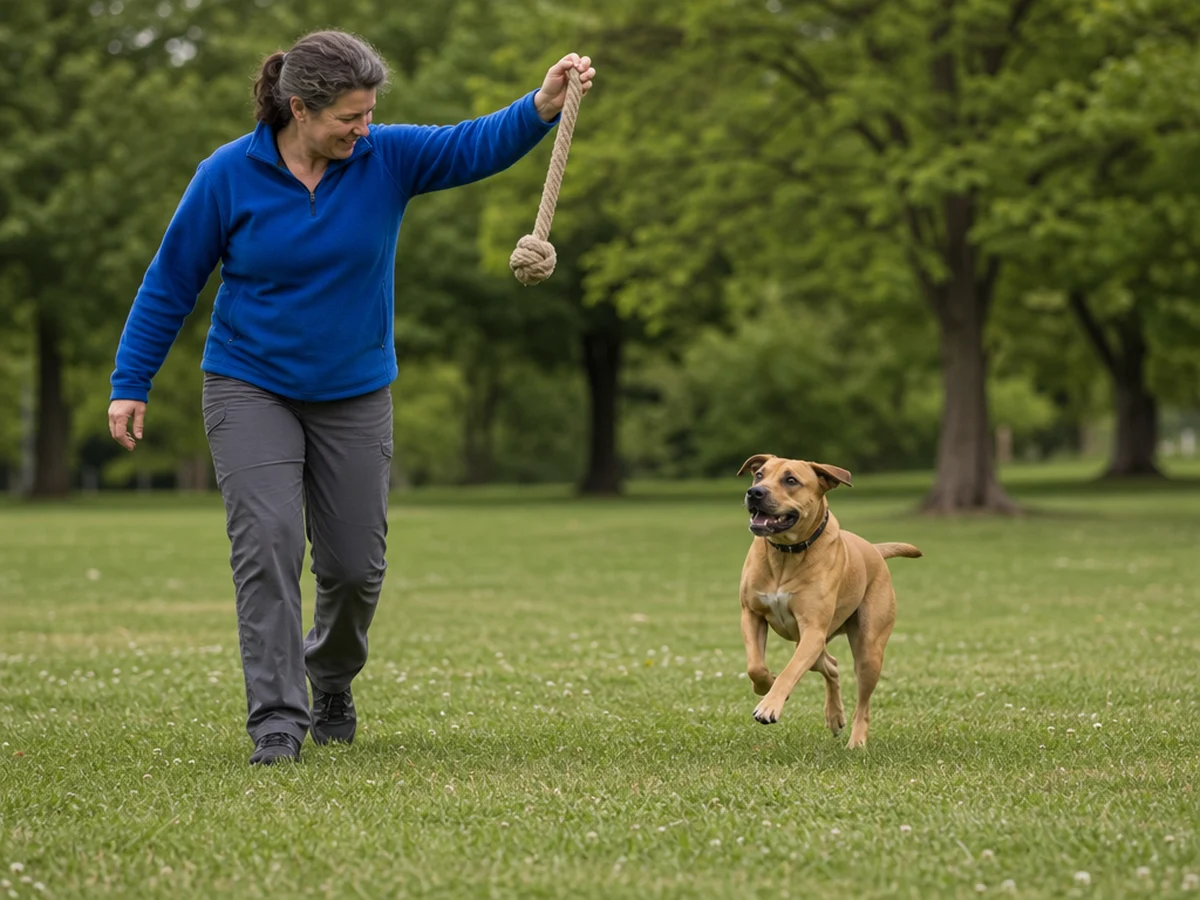
Owners report that their dogs respond to praise and a calm voice, and both are worth using. Praise alone is a weak bid against a squirrel scent, though. The table compares the usual options for a dog whose head goes up and whose feet follow.
| Reward | Where it works | Where it falls short |
|---|---|---|
| Soft, smelly food saved for recall | Indoors, in the yard and on the long line | Can lose to a strong scent unless the food is exceptional |
| A chase or tug game | Athletic dogs who love to move | Needs your energy and a toy kept out of daily play |
| Release back to sniffing | Mid-walk, as a bonus after arriving | Works as an extra, not as the only payment |
| Praise alone | Quiet rooms and low-distraction moments | Rarely beats a scent trail or a small animal |
Owners in pet homes channel the drive into chase games, carrying things and little courses, and a recall can feed on exactly that. Back away a few steps as your dog arrives and make the arrival the start of a game.
Release back to sniffing deserves a second look for a nose-led breed. Calling your dog away from a scent and then letting them return to it turns the trail itself into part of the payment. Use it once your dog is already coming reliably, and always after the food or game, never in place of it.
The choice: pay with high-value food or a chase game, and keep praise as the extra on top, never the whole wage.
Picking a Recall Word Your Mountain Cur Has Never Heard
Choose a word that carries no history. Some owners describe a clever dog who is also hardheaded, needing the name said again and again before turning around. If your puppy's name has been spoken countless times to mean nothing in particular, it is already worn out as a recall cue.
A fresh word, a whistle or a short phrase gives you a clean start. Say it once, in a bright and friendly tone, then help the answer along. Running a couple of paces away and getting down low make coming toward you more exciting than staying put, and that suits a dog who is never short of other ideas.
Repeating the word is the habit to guard against. Each repeat teaches that the first call was only a warning, and a quick learner absorbs that lesson fast. If you doubt you will get an answer, walk toward your dog or drop back to a shorter distance instead of calling again.
Keep the word for good news only. If you need to end a walk, clip on a leash or do something your dog will dislike, go and fetch them instead, so the cue never predicts a letdown.
The choice: a fresh word that nobody has nagged with, used only when a payoff follows.
Long Line or Open Field While Scent Beats Recall
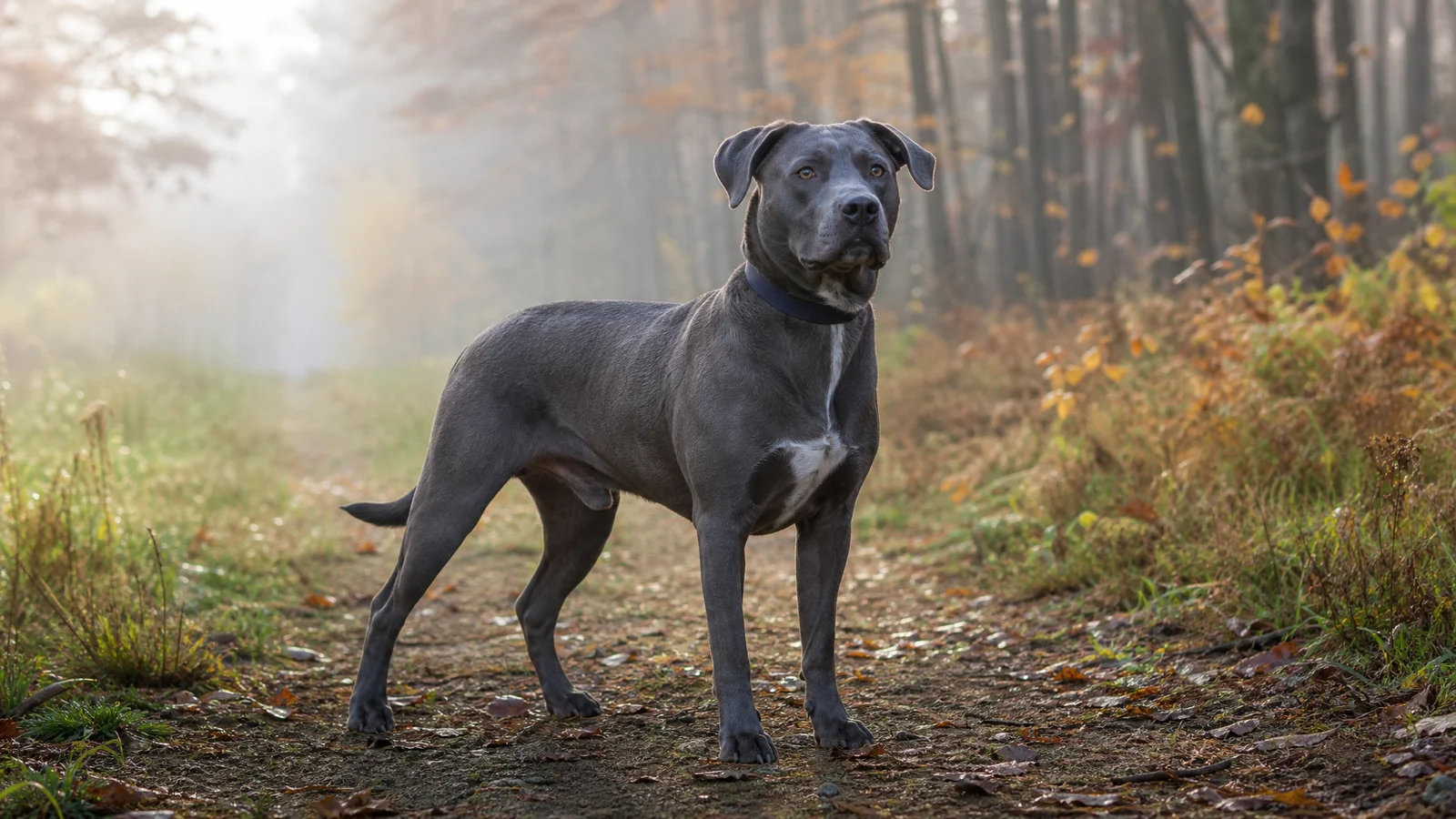
This is the setting decision, and the way the breed works points one direction. A dog who runs with the head up, then circles and drifts on a cold track until a hot one turns up, will travel further than you expect while scenting the air. Open ground gives that instinct room before you notice the instinct has taken hold.
Owners from hunting homes describe a dog who is calm and affectionate in the house and a different animal off leash in the woods. Treat that as a reason to keep the line on, not as a challenge to test. The leash can grow to a 20 to 30 foot line as skills improve, and the same guidance says to wait for reliable recall on leash before asking for it off leash.
- Start on a standard leash in a quiet place and pay every arrival.
- Move to a long line in a fenced or low-distraction area, letting the line trail while you stay close.
- Add mild scent and movement, calling before your dog is fully locked on.
- Use the line only to prevent a bolt, then reward the return with your best food.
- Raise difficulty one variable at a time: distance first, then scent, then a bird or squirrel in sight.
Fences are not the answer by themselves. Owners report squirrels pulling dogs up and over fences, so supervise yard time even when the space feels secure.
Gear matters too. Some owners report dogs slipping collars and harnesses and pulling hard. Check the fit of the collar and harness often and keep the line attached to a secure harness, because a long line is only useful if it stays attached to the dog.
Keep the dog on the leash if you are worried about recall or think a distraction is likely. With this breed, that describes almost every walk for a long time.
The choice: a long line until recall has beaten a hot track many times, kept on well past the point where you feel confident.
Teaching Leave It for Rabbits, Cats and Chickens
Here the breed offers something hopeful. The same standard says that despite strong treeing instincts on all game, the Mountain Cur is easily discouraged from tracking unwanted game, and another major registry says these dogs can easily be trained to leave unwanted game. Both statements describe hunting work, so read them as an encouraging sign and not a promise for walks or your living room.
The method is rewarding disengagement. Start where the stakes are low, on dropped food. Let a treat fall near you, wait for your dog to look away from it and back at you, then pay from your hand. Move on to toys, then to new objects on the floor, and only afterward to anything alive.
When you reach small animals, begin far away or behind a barrier so your dog can think. Pay every glance toward you and shrink the distance over many sessions. Rabbits and chickens call for a calm, controlled setup, never an unfenced yard.
A squirrel at the window makes a handy indoor practice spot. Owners describe squirrels as an overwhelming trigger, where even the word can set a dog off. Reward calm at the window often and generously, and give your dog a job such as a toy to carry so the energy has somewhere to go.
Cats need extra planning, since Mountain Curs may see small pets as prey. Owners report a wide spread. Many dogs live peacefully with a cat, even sleeping curled together, usually after a slow warm-up, a period of separation at first, or with a cat who was there first.
Others accept one cat and growl at another, or still need to chase now and then without hurting anyone. Plan introductions slowly and supervise any cat arrangement until it has proven itself over a long stretch.
The choice: start leave it on dropped food, move to small animals gradually, and keep every live-animal session controlled until your dog's choices are dependable.
Deciding How Much Freedom a Mountain Cur Earns
Nothing in the breed's published material speaks to off-leash reliability, so we will not promise it. What we can offer is a way to decide. Freedom is earned in each place separately, and it depends on how recall has actually performed there, not on how well your dog behaves at home.
Because these dogs are bred for stamina, a short stroll rarely tires them out, and a bored dog goes looking for work. Give long, steady outings on the line, scent games, chase games, tricks and carrying jobs, so part of the need for freedom is met without risk.
Fenced areas are the default. Any exception gets tested the way a planner would test it: the same place, the same time of day and a realistic distraction, with the line trailing so you can step on it if needed. If recall holds repeatedly, extend a little further. If it slips, you lose nothing, because the line is still there.
Some places may never qualify, such as open woods with wildlife, busy roads or water with birds. That is a sensible result for a dog bred to follow a track wherever the scent goes. Routine vet checkups belong in the plan too, and a sudden change in how your dog responds to you is worth mentioning at the next visit.
The choice: fenced areas by default, with exceptions granted one place at a time and only after a test.
Where to Go Next With Mountain Cur Recall
The rule that holds this plan together is simple: freedom is granted only where recall has beaten scent in practice. A dog who comes away from a squirrel on the line, in that place, many times in a row has earned a little more room. A dog who has only come away from a treat in the kitchen has not. Everything else here is a way of collecting proof.
These are the questions that usually follow once recall starts moving the right way:
- How does recall fit into everything else you are teaching? Start with the complete Mountain Cur training guide.
- What if your dog ignores you, climbs, chews or steals food? Work through the common Mountain Cur problem behaviors and a sensible first step.
- How do you prepare for a cat or other small pet? Read the guide on training a Mountain Cur around prey drive before introduction day.
- How do you build recall from the very first weeks? Revisit the Mountain Cur puppy plan for the first months and repeat the early steps without skipping any.
 Puppy trainingSocializing a Mountain Cur Puppy
 Training basicsMountain Cur Temperament: What It Means for Training
 Training basicsHow to Train a Mountain Cur: The Complete Guide